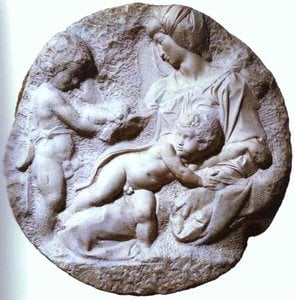
Egy reneszánsz zseni születése és korai évei
Michelangelo Buonarroti, a nevét a Reneszánsz csúcspontjával szinte egybeolvasztó művész, évszázadokon keresztül álló bizonyítéka az emberi alkotóképességnek. 1475. március 6-án született Caprese Michelangelo faluban, a toszkán dombok között, élete rendkívüli találkozása volt a tehetségnek, az ambíciónak és az isteni ihletnek. Bár apja kezdetben ellenállt művészi pályafutásának, ifjú Michelangelo természetes rajztehetsége megcáfolhatatlannak bizonyult, elindítva őt azon az úton, amelyen átalakítani fogja a szobrászat, a festészet és az építészet határait. Korai tanulmányait Domenico Ghirlandaio műhelyében kezdte, ahol alapvető freskó- és rajzkészségeket sajátított el, de a Medici-kertekben – a klasszikus antikvitás menedékében – ébredt fel igazán művészi lelke. A görög és római szobrok tanulmányozásával Michelangelo elsajátította az anatómia, a proporciók és az ideális szépség elveit, amelyek stílusának védjegyévé váltak. Ez a formatív időszak nem csupán technikai képzés volt; filozófiai elmerülés volt a Reneszánsz virágkorában kibontakozó humanista eszméikbe, az emberi méltóság és potenciál hangsúlyozásába, amely mélyen formálta művészi látásmódját.
A Pietà fájdalmától a Dávid erejéig
Michelangelo felemelkedése a művészvilágban figyelemre méltóan gyors volt. 1496-ra Rómába utazott, ahol első jelentős megbízatása érkezett: a *Pietà* szobor elkészítése. 1499-ben készült el Kardinál Jean de Bilhères számára ez a lélegzetelállító márványremekmű – ma a Szent Péter Bazilikában található –, azonnal megalapozta Michelangelo hírnevét páratlan ügyességű és érzelmi mélységű szobrászként. Mária arca nyugodt szépsége, Krisztus testének fájdalmas gondoskodása forradalmasinak bizonyult, demonstrálva a képességét arra, hogy hideg köveket mély emberi érzésekkel ruházzon fel. Ez a korai siker megnyitotta az utat következő monumentális vállalkozása előtt: a *Dávid* szobor elkészítése. 1501 és 1504 között egyetlen Carrarai márványtömbből faragva a több mint öt méter magas szobor Firence köztársasági eszméinek szimbólumává vált – egy bátran megtestesítő ereje, bátorsága és polgári erénye. A *Dávid* anatómiai pontossága, dinamikus póza és pszichológiai intenzitása példátlan volt, megerősítve Michelangelo hírnevét mester szobrászként, aki képes életre kelteni a követ. Nem csupán a mérete lenyűgözte; az érezhető benne rejtőző energia, a márványba fagyasztott cselekvés előtti várakozás volt az, ami akkor és ma is elvarázsolja a nézőket.
A szisztemai kápolna: egy isteni vászon
Talán Michelangelo legmaradandóbb öröksége a szisztemai kápolna falain rejlik. 1508-ban VIII. Julius pápa megbízta őt a kápolna mennyezetének festésével – feladat, amely négy évet vett igénybe és örökké megváltoztatta a nyugati művészet menetét. Kezdetben vonakodva, mivel elsősorban szobrásznak tartotta magát, Michelangelo mégis elfogadta a kihívást, monumentális freskóciklusba kezdve, amely a Teremtés jeleneteit ábrázolja. Nehéz körülmények között dolgozott, gyakran órákon át feküdt háton, több mint 300 figurát festett lélegzetelállító részlettel és kompozíciós zsenialitással. *Ádám teremtése*, a kápolna mennyezetének talán legismertebb képe megrázóan ábrázolja az isteni szikra átadását Isten és az emberiség között – a teremtés és a potenciál erőteljes szimbóluma. A híres panelen túl az egész ciklus tanúbítja Michelangelo narratív erejét, az anatómia elsajátítását és képességét arra, hogy komplex teológiai fogalmakat vizuális történetmesélésen keresztül közvetítsen. Ugyanakkor megkezdte VIII. Julius pápa sírboltjának munkáját – egy ambiciózus projektet, amely eredeti nagyságában befejezetlen maradt, de olyan erőteljes szobrokat eredményezett, mint *Mózes*.
Építészet, manierizmus és tartós hatás
Élete későbbi éveiben Michelangelo tehetsége az építészetre is kiterjedt. 1520-ban a Szent Péter Bazilika építészévé vált Rómában, jelentősen megváltoztatva Bramante eredeti tervét impozánsabb és szerkezetileg biztonságosabb tervekkel. Ez az átmenet a manierizmus felé való elmozdulást jelentette – egy stílust, amelyet a megnyúlt formák, a túlzó pózok és a drámai kompozíciók jellemeztek. Ez a stiláris fejlődés élénken látható *A végső ítélet* freskón, amelyet 1536 és 1541 között festett a szisztemai kápolna oltárfalán. A freskó Krisztus második eljövetelét ábrázolja lenyűgöző drámával és érzelmi intenzitással, tükrözve egy turbulensebb lelki légkört. Michelangelo hatása élete után is messze túlmutatott. Mélyen befolyásolta a reneszánsz és a manierista művészeti mozgalmakat, generációk inspirálta az anatómiai pontossággal, dinamikus kompozíciókkal és az emberi létezés mély feltárásával.
Egy időtlen örökség
Michelangelo 1564. február 18-án halt meg Rómában, páratlan életművet hagyva maga után, amely továbbra is elvarázsol és inspirál. Továbbra is a művészettörténet tornyos alakja – a kvintesszenciális „reneszánsz ember” –, akinek szobrai, festményei és építészeti tervei formálták szépségünk, hatalmunk és emberi potenciálunk megértését. Öröksége nem csupán művészi teljesítmény öröksége; tanúságtétel a kreativitás, az odaadás és a tökéletesség könyörtelen keresésének tartós erejéről. Megmutatta, hogy a művészet túlléphet a puszta ábrázoláson, mély lelki és érzelmi kifejezés eszközévé válhat. A géniusz visszhangja szerte a világ múzeumaiban és templomaiban csendül, biztosítva, hogy Michelangelo Buonarrotit örökké az egyik legnagyobb művésznek fogják emlékezni, aki valaha élt.
- Hatások: Klasszikus antikvitás (görög és római szobrászat), reneszánsz humanizmus, firenzei művészeti hagyomány (Donatello, Masaccio).
- Főbb alkotások: *Pietà*, *Dávid*, a szisztemai kápolna mennyezetének freskói (*Ádám teremtése*), *A végső ítélet*, VIII. Julius sírboltja.
- Művészeti stílus: Kezdetben klasszikus idealizmus, fejlődve egy dinamikus és kifejező manierizmus felé.



 Váltás nyomtatványra
 Megosztás
 Megosztás
 Részletek

 Letöltés
 Hasonló darabok
 Diavetítés
 Statisztika


 Tovább olvasom