Előnézet AR előnézet Kézzel festett másolat vásárlása Áttérés digitális képre Megosztás
Részletek Útmutató Kedvencekhez ad Letöltés Hasonló darabok X-ray felvétel Diavetítés Statisztika

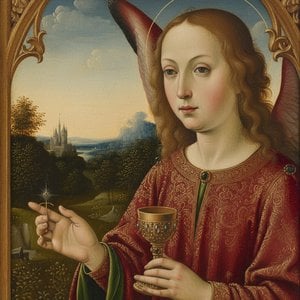
Two Panels from a Triptych

Explore Hans Memling's 'Two Panels from a Triptych,' a stunning example of Early Netherlandish art featuring intricate details, religious figures, and masterful composition. Discover the beauty & legacy of this iconic masterpiece.

Fedezze fel Hans Memling lenyűgöző korai németalföldi festményeit Brugge-ban! Ismerje meg a flamand primitív mesterműveket, vallási jeleneteit és portréit a Memling Múzeumban. Pontos részletesség, élethű ábrázolás és mély spiritualitás jellemzi művészetét.

Az ezen az oldalon megjelenített műalkotások szerzői jogi védelem alatt állnak, ami azt jelenti, hogy törvényileg nem készíthetünk és nem adhatunk el belőlük pontos másolatokat. Ez a védelem olyan nemzetközi megállapodások alapján érvényesül, mint például a Berni Egyezmény és a nemzeti törvények által, beleértve azokat is, amelyeket meghatározott Az USA szerzői jogi törvénye – 17. cím.

Ez a módszer teljes mértékben megfelel a szerzői jogi szabályozásnak, mivel nem tartalmazza a védett műalkotás másolását vagy duplikálását. Ehelyett ez egy kreatív újinterpretáció – egy új festmény, amely az eredetivel való összefüggései miatt hatással van rá, de nem az az.

Giclée / Műnyomat

Múzeumi minőségű giclée vagy vászonnyomat, gyors gyártással és rugalmas finomítási lehetőségekkel. ( Kézzel festett másolat vásárlása Áttérés digitális képre)

Corner sample of the P118B picture frame: formázott polisztirol, 5 cm wide and 3 cm thick
P118B Ft10
Corner sample of the P118H picture frame: formázott polisztirol, 5 cm wide and 3 cm thick
P118H Ft10
Corner sample of the P118W picture frame: formázott polisztirol, 5 cm wide and 3 cm thick
P118W Ft10
Corner sample of the P438Z picture frame: formázott polisztirol, 5.5 cm wide and 3.5 cm thick
P438Z Ft10
Corner sample of the P508JH picture frame: formázott polisztirol, 7 cm wide and 3.5 cm thick
P508JH Ft12
Corner sample of the P508YH picture frame: formázott polisztirol, 7 cm wide and 3.5 cm thick
P508YH Ft12
Corner sample of the P805H picture frame: formázott polisztirol, 5 cm wide and 3.5 cm thick
P805H Ft10
Corner sample of the P805Z picture frame: formázott polisztirol, 5 cm wide and 3.5 cm thick
P805Z Ft10
Corner sample of the P919BZ picture frame: formázott polisztirol, 7 cm wide and 3.5 cm thick
P919BZ Ft10
Corner sample of the P919G picture frame: formázott polisztirol, 7 cm wide and 3.5 cm thick
P919G Ft10
Corner sample of the P919XJ picture frame: formázott polisztirol, 7 cm wide and 3.5 cm thick
P919XJ Ft10
Corner sample of the P959ZH picture frame: formázott polisztirol, 5 cm wide and 3 cm thick
P959ZH Ft10
Corner sample of the P968JZ picture frame: formázott polisztirol, 6 cm wide and 4 cm thick
P968JZ Ft12
Corner sample of the W106C picture frame: tömörfa, 5 cm wide and 3 cm thick
W106C Ft8
Corner sample of the W218G picture frame: tömörfa, 5 cm wide and 3 cm thick
W218G Ft10
Corner sample of the W218JH picture frame: tömörfa, 5 cm wide and 3 cm thick
W218JH Ft8
Corner sample of the W218Y picture frame: tömörfa, 5 cm wide and 3 cm thick
W218Y Ft10
Corner sample of the W307PJ picture frame: tömörfa, 6 cm wide and 3 cm thick
W307PJ Ft10
Corner sample of the W316G picture frame: tömörfa, 6 cm wide and 3 cm thick
W316G Ft10
Corner sample of the W316PJ picture frame: tömörfa, 6 cm wide and 3 cm thick
W316PJ Ft8
Corner sample of the W316Y picture frame: tömörfa, 6 cm wide and 3 cm thick
W316Y Ft10
Corner sample of the W398PJ picture frame: tömörfa, 5 cm wide and 3 cm thick
W398PJ Ft8
Corner sample of the W4111J picture frame: tömörfa, 6.5 cm wide and 3.5 cm thick
W4111J Ft10
Corner sample of the W500HY picture frame: tömörfa, 7 cm wide and 5 cm thick
W500HY Ft15
Corner sample of the W500JH picture frame: tömörfa, 7 cm wide and 5 cm thick
W500JH Ft15
Corner sample of the W692G picture frame: tömörfa, 8 cm wide and 4 cm thick
W692G Ft12
Corner sample of the W849H picture frame: tömörfa, 5 cm wide and 3 cm thick
W849H Ft8
Corner sample of the W940BG picture frame: tömörfa, 7.5 cm wide and 4.5 cm thick
W940BG Ft15
Corner sample of the W953PJ picture frame: tömörfa, 6 cm wide and 3.5 cm thick
W953PJ Ft8

Standard méret
egyedi
CM
INCH

Válasszon előre meghatározott méreteink közül, amelyek megfelelnek a műalkotás eredeti arányainak.

szélesség
magasság

Írja be a keretének vagy a falának megfelelő szélességet és magasságot. A nyomatot csak le lehet vágni, soha nem tehető nagyobbá, mint az eredeti kép, így egy eltérő alakú méretnél a kép egy része elveszik. Mielőtt bármit kinyatintanánk, küldünk egy digitális próbamodellt jóváhagyásra. Az oldalon látható kép nem tartalmazza a valós levágást — ezt csak a próbamodell mutatja meg.

Világszerte történő kiszállítás területére mindössze 2 hét alatt, a szokásos 4-5 hét helyett. (25 október)

Ingyenes globális expressz szállítás
Prémium minőségű len vászon
Teljes körű szállítási biztosítás
Vámvisszatérítési Garancia
Tökéletes színarányosság garancia
100 napos visszaküldési garancia (csak gyártási hibás termékek esetén)
100% pénzvisszatérítési garancia
Több darab vásárlásakor kedvezmény

Összesített ár

Ft 21796

Two Panels from a Triptych

Giclée / Műnyomat

Reprodukció méretei

-

Összesített ár

Ft 21796

Rövid tények

  • Movement: Early Netherlandish
  • Influences: Rogier van der Weyden
  • Location: Groeninge Museum, Bruges
  • Medium: Oil on panel
  • Artistic style: Realism, Spirituality

Művészeti kvíz

Minden kérdésre csak egy helyes válasz létezik.

Kérdés 1:
Which artistic movement is Hans Memling primarily associated with?
Kérdés 2:
What is depicted in one of the panels of ‘Two Panels from a Triptych’?
Kérdés 3:
What is the significance of the cat and birds depicted in the painting?
Kérdés 4:
Where can one find many of Hans Memling’s works?
Kérdés 5:
What is a key characteristic of Early Netherlandish painting, as exemplified by Memling’s work?

A Window into the Soul: Exploring Hans Memling’s ‘Two Panels from a Triptych’

Hans Memling's “Two Panels from a Triptych” is more than just a depiction of two men; it’s a carefully constructed tableau brimming with Northern Renaissance artistry, spiritual contemplation, and the quiet dignity of everyday life. Created around 1470 in Bruges, Belgium – a city then at the heart of European trade and artistic innovation – this oil-on-panel work offers a captivating glimpse into the world of a wealthy merchant’s devotional space. The panels, part of a larger triptych now sadly fragmented, invite us to ponder themes of faith, social status, and the enduring human desire for connection.

The immediate impact is one of serene formality. Two figures stand before a simple wall, their postures suggesting a moment of quiet reflection or perhaps even a brief exchange. The man in the crimson robe, holding a cat – an animal often associated with domesticity and good fortune – exudes a subtle authority, while his counterpart, clad in purple, appears more contemplative. Memling’s mastery lies not just in rendering realistic details—the texture of the fabrics, the sheen of the metal, the delicate folds of the drapery—but also in conveying an underlying sense of stillness and grace. The artist's meticulous attention to detail is a hallmark of Early Netherlandish painting, a style characterized by its hyperrealism and profound psychological depth.

The Renaissance Master: Hans Memling’s Artistic World

Hans Memling (c. 1430 – August 11, 1494) stands as a pivotal figure in the Early Netherlandish painting movement, a period defined by its exquisite realism and profound spiritual introspection. Born in Seligenstadt, Germany, he initially trained under Rogier van der Weyden, absorbing the master’s techniques of oil paint application and sculptural modeling. However, Memling quickly established his own distinctive style, characterized by an unparalleled sensitivity to light, color, and texture. He wasn't merely a painter; he was a meticulous observer of human nature and a skilled craftsman who elevated everyday scenes into works of art.

Memling’s workshop in Bruges became a renowned center for artistic production, disseminating his distinctive style across Europe. His commissions frequently included elaborate altarpieces and devotional panels, often incorporating donor portraits—individuals who supported the church or religious institutions—into the composition. These portraits weren't simply likenesses; they were carefully staged representations of piety and social standing, reflecting the values of the era.

Symbolism and Context: Unpacking the Details

The inclusion of the cat is particularly intriguing. While seemingly a simple detail, it’s likely imbued with symbolic meaning within the context of 15th-century Bruges. Cats were associated with domesticity, fertility, and even protection against evil spirits – qualities highly valued in a prosperous merchant community. The birds, subtly integrated into the scene, might represent hope, divine grace, or simply the beauty of nature. The triptych itself was a common format for altarpieces, allowing for greater visual impact and facilitating transportability. It served as a focal point for religious devotion, inviting contemplation and fostering a connection between the earthly and the spiritual.

Memling’s work reflects the broader cultural landscape of his time – a period marked by burgeoning trade, increasing wealth, and a renewed interest in classical art and philosophy. His paintings offer a window into the lives and beliefs of a society grappling with questions of faith, morality, and the human condition. The careful balance between realism and symbolism, combined with Memling’s technical brilliance, ensures that “Two Panels from a Triptych” remains a captivating masterpiece for art lovers today.

Bringing Memling to Your Space: A Hand-Painted Reproduction

WahooArt.com offers exquisite, hand-painted reproductions of Hans Memling's "Two Panels from a Triptych," meticulously crafted by our skilled artists using the same techniques and attention to detail as the original. Whether you’re seeking an authentic piece for your home or office, or a unique gift for an art enthusiast, our reproductions capture the essence of this iconic work while providing a stunning visual experience. Explore our collection today and bring the serenity and beauty of Memling's masterpiece into your world.

Gyakran Ismételt Kérdések

A "Two Panels from a Triptych" egy híres Early Netherlandish Painting művészeti alkotás?

A Early Netherlandish Painting irányzaton belül a "Two Panels from a Triptych" alkotásnak Iconic népszerűségi szintje van.

Hogyan illeszkedik a "Two Panels from a Triptych" Hans Memling témáiba és stílusába?

Hans Memling munkásságán belül a "Two Panels from a Triptych" a Early Netherlandish Painting stílus képét képviseli, a rogier van der weyden’s realism, religious devotion, piety, symbolism, bruges civic patronage, wealth, workshop production, dissemination style témakörével összefüggésben.

Mi a "Two Panels from a Triptych" formátuma?

A „Two Panels from a Triptych”, Hans Memling alkotása Portrait formátumú alkotás. A formátum a kompozíció arányait határozza meg.


A művész életrajza

Hans Memling: A Bruggei Részletesség Mestere és a Megrendelők Pártfogása

Hans Memling (kb. 1430 – augusztus 11., 1494), Seligenstadtban született, az Északi-Netherlandi festészet egyik legkiemelkedőbb alakja, egy olyan művészeti irányzat, amelyet a kifinomult realizmus, a természet aprólékos megfigyelése és mély spirituális elmélkedés jellemez. Bár korai éveit elsősorban a Rajna-vidék művészi légkörében töltötte, Memling pályája végül Brugge városába vezetett, Belgiumba, ahol kora egyik legjelentősebb festőjeként telepedett le és egy virágzó műhelyt hozott létre, amely sajátos stílusát terjesztette Európa-szerte. Memling életének pontos részletei homályosak maradtak, de a tudósok egyetértenek abban, hogy Mainz környékén született 1430 körül. Művészi tanulmányait Rogier van der Weyden tanítványaként kezdte, a flamand festészet egyik titanikus alakja mellett, akinek olajfestészeti tudása és szobrászati modellezési képessége mélyen befolyásolta Memling technikáját. Ez a mestertanulóság belé ültette az aprólékosság iránti töretlen elkötelezettséget – egy olyan jellemzőt, amely életművét meghatározta.

A Bruggei Élet és a Műhely Virágzása

1465-re Memling polgárjogot szerzett Brugge városában, egy növekvő kereskedelmi központban és művészi epicentrumban. Felismerve az együttműködésben rejlő kreatív lehetőségeket, egy műhelyt alapított számos asszisztenssel, elősegítve az innováció és a stilisztikus következetesség légkörét. Ez a műhely hamarosan híres lett a mesterművek lenyűgöző reprodukcióiról – bizonyítva Memling képességeit mind festőként, mind pedagógusként. A műhely nem csupán másolt, hanem Memling stílusának finom árnyalatait is átültette a vászonra, ezzel terjesztve el a mester egyedi látásmódját.

A Részletesség és a Megrendelők Stílusa

Memling művészeti stílusa azonnal felismerhető: ragyogó színpaletták, finoman kidolgozott draperiak, és lenyűgöző anatómiai pontosság jellemzi. Gondosan tanulmányozta az emberi anatómiát – inspirációt merítve a klasszikus szobrászatból – hogy páratlan realizmust érjen el portréin és vallási jelenetein egyaránt. Sok kortársával ellentétben, akik kifejező ecsetvonásokat részesítettek előnyben, Memling a gondos megfigyelést és a szívós kivitelezést helyezte előtérbe, olyan képeket teremtve, amelyek nyugalmas szépséggel és mély spirituális mélységgel teltek.

Vallási Megrendelések és Portréfestészet

Memling hírneve a gazdag pártfogók – elsősorban egyházi férfiak és arisztokrata családok – jövedelmező megrendeléseinek köszönhetően szárnyalt, akik olyan szentek és bibliai történetek ábrázolását keresték, amelyek áhítattal és presztízzsel rezonáltak. Figyelemre méltó példák közé tartozik “A Végső Ítélet” a bruggei Szent János Kórházban, egy monumentális falfreskó, amely Memling mesteri kompozíciós képességeit és drámai színhasználatát mutatja be. Emellett kiemelkedett portréfestőként is bizonyult, jelentős személyiségek arcképét örökítette meg figyelemre méltó érzékenységgel és pszichológiai betekintéssel. Portréi – mint például “Egy nyíllal ábrázolt férfi” – demonstrálják képességét, hogy finom gesztusok és arckifejezések révén karaktert közvetítsen – egy olyan képesség, amely megszilárdította helyét a kor legnagyobb művészei között.

Hatás és Örökség

Memling művészeti öröksége saját életén túl is messzire nyúlik. Műhelye hatalmas mennyiségű festményt állított elő – amelyek közül sok hasonlóságot mutat az eredeti munkáival –, amelyek Memling egyedi esztétikáját terjesztették Flandriában és azon túl. Ráadásul Memling gondos technikája inspirációt nyújtott a következő generációk művészeinek – különösen Quentin Massysnak, aki megalapította az antwerpeni iskolát –, megerősítve ezzel Memling pozícióját a flamand reneszánsz művészet sarokkövének. A 19. században fedezték fel újra művészeti eredményeit, amikor tudósok újrafelfedezték festményeit és védelmezték zsenialitását. Ma Memling munkái – különösen “A Végső Ítélet” – továbbra is lenyűgözik a világ közönségét, az művészi kiválóság és spirituális elmélkedés tartós szimbólumaként szolgálva. Aprólékos figyelme a részletekre és mély megértése az emberi pszichológiáról továbbra is figyelemre méltóan releváns a kortárs művészettörténetünkben.
Hans Memling

Hans Memling

Németország

Gyors információk

  • Artistic Movement Or Style: Korai flamand festészet
  • Artists Or Movements Influenced By This Artist: ['Flamand primitívek']
  • Artists Who Influenced This Artist: ['Rogier van der Weyden']
  • Date Of Birth: kb. 1430
  • Date Of Death: 1494. augusztus 11.
  • Full Name: Hans Memling
  • Nationality: Német-flamand
  • Notable Artworks:
    • St Johns Hospital
    • Utolsó ítélet
    • Szenvedély jelenetei
  • Place Of Birth: Seligenstadt, Németország
Fedezze fel a műalkotásokat témák, stílusok és jellemzők szerint csoportosítva.