Az ezen az oldalon megjelenített műalkotások szerzői jogi védelem alatt állnak, ami azt jelenti, hogy törvényileg nem készíthetünk és nem adhatunk el belőlük pontos másolatokat. Ez a védelem olyan nemzetközi megállapodások alapján érvényesül, mint például a Berni Egyezmény és a nemzeti törvények által, beleértve azokat is, amelyeket meghatározott Az USA szerzői jogi törvénye – 17. cím.
Mint tiszteletes és törvényes alternatívát, olyan egyedi, kézzel festett alkotásokat kínálunk, amelyek az eredetiből merítnek inspirációt. Tapasztalt és professzionális művészeink alaposan tanulmányozzák az eredeti stílusát, hangulatát és művészeti esszenciáját, hogy egy olyan új, egyedi alkotást hozzunk létre, amely ugyanazt az érzést kelti – miközben önálló, eredeti alkotásként létezik.
Ez a módszer teljes mértékben megfelel a szerzői jogi szabályozásnak, mivel nem tartalmazza a védett műalkotás másolását vagy duplikálását. Ehelyett ez egy kreatív újinterpretáció – egy új festmény, amely az eredetivel való összefüggései miatt hatással van rá, de nem az az.
Kézzel festett olajvastú vászon, az Ön által választott méretben és keretben, művészeink készítik meglévőre. ( Váltás nyomtatványra
Áttérés digitális képre)
Válasszon előre meghatározott méreteink közül, amelyek megfelelnek a műalkotás eredeti arányainak.
Ön megadhat saját méreteket egy adott kerethez vagy térhez igazításhoz. Ha a kiválasztott méret nem egyezik az eredeti kép arányával, akkor a műalkotást levágjuk, vagy további kézzel festett elemekkel meghosszabbítjuk a festményt. A gyártás megkezdése előtt küldünk Önnek egy digitális előnézetet jóváhagyásra.
Kérjük, vegye figyelembe, hogy a képernyőn megjelenő előnézet nem tükrözi a tényleges vágást vagy kiterjesztést. Csak az előnézet fog pontosan mutatni a végső kompozíciót.
Bár egyedi méretek állnak rendelkezésre, javasoljuk, hogy válasszon egy méretet az előre meghatározott listából az eredeti arányok megőrzése érdekében.
Világszerte elérhető szállítás () 3-4 hét alatt a szokásos 5 hét helyett. (10 október). A minőség nem kérdőjelezhető.
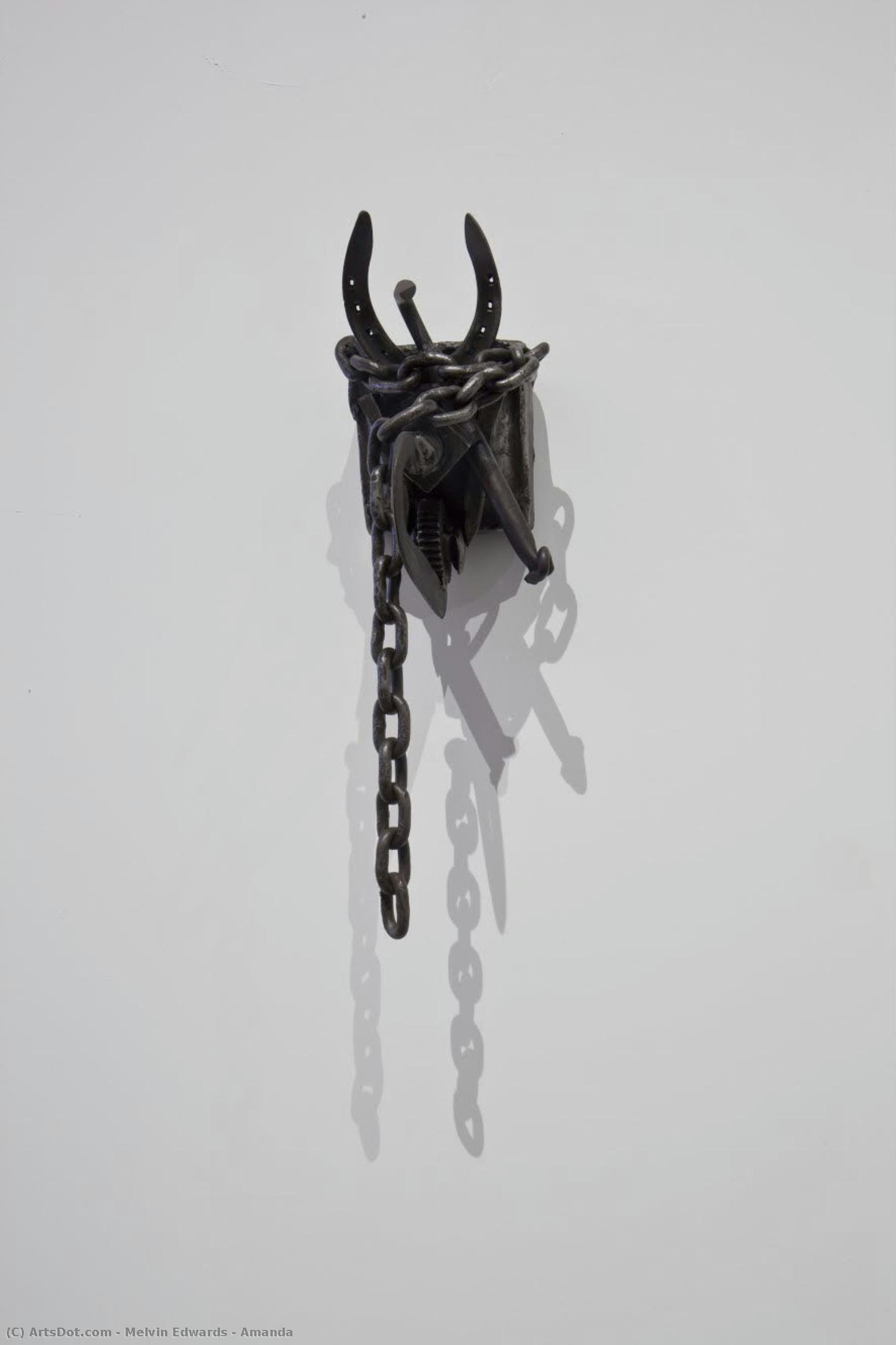
Amanda
Reprodukció méretei
A „Amanda” műtémét Melvin Edwards alkotójának tulajdonítják.
A „Amanda”, Melvin Edwards alkotása kiváló ajándékként ajánlott Corporate Gift. A műalkotás reprodukciója is adományként átadhatható.
A „Amanda”, Melvin Edwards alkotása alkotásának éve 1981.
A "Amanda" Melvin Edwards Abstract Expressionism korszakának alkotása, melynek témakörében renaissance formalities, black experience struggle, social justice remembrance, sculptural voice legacy, lynch fragments series is feltűlik.
Melvin Edwards 44 éves volt, amikor 1981 évben megalkotta a "Amanda" alkotást. A korúsítás az alkotó születési évéből, 1937 fel основании került kiszámítva.
A „Amanda”, Melvin Edwards alkotása alkotás témái közé tartozik a steel sculpture, african heritage, geometric form, fragmented head, chain motif, industrial material, resilience. Ezek együtt foglalják össze a mű tárgyát.
A "Amanda" színtelítettsége Monochromatic. Az intenzitás azt mutatja meg, mennyire erőteljesnek tűnnek a színek.
Melvin Edwards stands as a monumental figure in the landscape of contemporary American sculpture, an artist whose work serves as both a profound historical archive and a visceral exploration of abstract form. Born on May 4, 1937, in Houston, Texas, Edwards’ early life was shaped by the starkly divided realities of the segregated South. This formative period, marked by the complexities of racial tension and the pursuit of social justice, would later become the emotional bedrock of his artistic practice. As he moved through the integrated landscapes of Ohio and eventually to California in 1955, Edwards began a transformative journey that would lead him from the foundational disciplines of painting at UCLA to the rugged, industrial mastery of welding and steel assemblage.
The arrival of Edwards in New York City in 1967 marked a definitive turning point in his career. Immersed in the electric atmosphere of postwar abstraction, he began to synthesize the geometric rigor of European modernism with the urgent, socio-political narratives of the African-American experience. It was during this era that he developed his most celebrated contribution to the sculptural canon: the Lynch Fragments. These intricate, small-scale steel reliefs are far more than mere abstract compositions; they are poetic yet harrowing assemblages of metal objects—spikes, chains, and scissors—that evoke the fractured memory of racial trauma. Through these works, Edwards achieved a delicate balance between the reductive aesthetics of artists like Piet Mondrian and a conceptual depth reminiscent of Marcel Duchamp, using the very weight and texture of steel to articulate the tension between oppression and endurance.
To encounter a Melvin Edwards sculpture is to engage in a dialogue with history through the medium of industrial grit. His technique is characterized by an extraordinary command over metal, where the act of welding becomes a way to fuse disparate fragments of memory into a cohesive, albeit fractured, whole. In works such as Working Thought, one can witness how the artist utilizes the language of the Lynch Fragments to reflect on the resilience of the human spirit. The jagged edges and deliberate asymmetries of his steel reliefs do not merely represent chaos; they mirror the structural complexities of a history that is often broken and reconstructed.
This mastery extends into larger, more complex installations where the artist incorporates found objects to deepen the narrative resonance of his pieces. In Ida W.B., Edwards masterfully blends steel with bicycle parts, creating a poignant sculptural poem that explores themes of social justice and historical continuity. His ability to transform cold, industrial materials into vessels for profound human emotion is what distinguishes his oeuvre. The following elements define the core of his technical and thematic approach:
The historical significance of Melvin Edwards lies in his ability to bridge the gap between formalist abstraction and political activism. He refused to allow the language of modern sculpture to remain detached from the lived realities of the Black experience, instead forcing the medium to confront the scars of the past. His work does not merely document history; it reanimates it, allowing the viewer to feel the weight of the metal and the sharpness of the edges as symbols of a struggle that continues to shape the American identity.
As his career has progressed, Edwards has remained a vital voice in the global art dialogue, proving that sculpture can be simultaneously decorative, intellectual, and deeply political. His legacy is found in every weld and every fragment, reminding us that even from the most broken pieces, a powerful and enduring narrative can be forged. Through his unwavering commitment to truth and form, Melvin Edwards has ensured that the stories of resilience and memory are etched permanently into the fabric of contemporary art.
1937 - , United States of America