Előnézet AR előnézet Váltás nyomtatványra Áttérés digitális képre Megosztás
Részletek Útmutató Kedvencekhez ad Letöltés Hasonló darabok X-ray felvétel Diavetítés Statisztika

Tapa

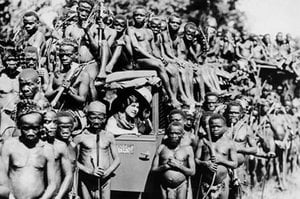
Discover the unique art of the mbuti people! Traditional Tapa textiles showcase vibrant patterns & egalitarian social structures of this Congo group, living since 1890s.

Kézzel készített olajfestmény reprodukció

Kézzel festett olajvastú vászon, az Ön által választott méretben és keretben, művészeink készítik meglévőre. ( Váltás nyomtatványra Áttérés digitális képre)

Standard méret
egyedi
CM
INCH

Válasszon előre meghatározott méreteink közül, amelyek megfelelnek a műalkotás eredeti arányainak.

szélesség
magasság

Ön megadhat saját méreteket egy adott kerethez vagy térhez igazításhoz. Ha a kiválasztott méret nem egyezik az eredeti kép arányával, akkor a műalkotást levágjuk, vagy további kézzel festett elemekkel meghosszabbítjuk a festményt. A gyártás megkezdése előtt küldünk Önnek egy digitális előnézetet jóváhagyásra.
Kérjük, vegye figyelembe, hogy a képernyőn megjelenő előnézet nem tükrözi a tényleges vágást vagy kiterjesztést. Csak az előnézet fog pontosan mutatni a végső kompozíciót.
Bár egyedi méretek állnak rendelkezésre, javasoljuk, hogy válasszon egy méretet az előre meghatározott listából az eredeti arányok megőrzése érdekében.

Példák arra, mit lehet módosítani: az arc kicserélése az ügyfél fotójára; háziállat hozzáadása (pl. macska helyett kutya); rejtett üzenet elhelyezése a háttérben; a háttér tájának vagy elemeinek megváltoztatása.
A rendelést követően a WahooArt.com csapata e-mailt küld az ügyfélnek az instrukciókért, és biztosít egy előnézeti képet (mockup).

Világszerte elérhető szállítás () 3-4 hét alatt a szokásos 5 hét helyett. (24 szeptember). A minőség nem kérdőjelezhető.

why_choose_icon
Ingyenes globális expressz szállítás
why_choose_icon
Prémium minőségű len vászon
why_choose_icon
Teljes körű szállítási biztosítás
why_choose_icon
Vámvisszatérítési Garancia
why_choose_icon
Tökéletes színarányosság garancia
why_choose_icon
100 napos visszaküldési garancia (csak gyártási hibás termékek esetén)
why_choose_icon
100% pénzvisszatérítési garancia
why_choose_icon
Több darab vásárlásakor kedvezmény

Összesített ár

$ 272

reproduction

Tapa

Reprodukciós technika

Reprodukció méretei

-

Összesített ár

$ 272


A művész életrajza

The Soul of Egalitarian Tradition: Exploring Mbuti Art and Culture

The mbuti people, also known as bambuti, represent a remarkable corner of African cultural heritage – a vibrant tapestry woven from hunter-gatherer traditions that persist to this day. Originating in the Democratic Republic of Congo, their artistic expression is particularly noteworthy for its profound connection to social organization and egalitarian values, offering a unique lens through which to understand precolonial Africa.
  • Origins & Lifestyle: The mbuti inhabit dense rainforests of Central Africa, practicing a nomadic lifestyle centered around hunting wild animals like antelopes and bush pigs alongside gathering edible plants and insects. This subsistence economy profoundly shapes their worldview and informs the motifs found in their art.
  • Tapa Textiles – A Visual Language: Perhaps the most recognizable form of mbuti artistic achievement is Tapa cloth—woven from bark fibers—which serves as more than just clothing; it’s a visual record of social history, kinship ties, and ritual significance. The intricate geometric patterns aren't merely decorative; they encode information about clan membership, age grades, and individual status.
  • Symbolism & Narrative: Recurring motifs in Tapa textiles include spirals, diamonds, and zigzags—symbols that hold deep cultural meaning relating to fertility, protection, and the cyclical nature of life. These patterns often depict scenes from daily life, hunting expeditions, and ancestral narratives passed down through generations.
  • Influence & Contact History: European explorers began documenting mbuti culture in the late 19th century, sparking initial interest but also introducing pressures for assimilation. Despite these challenges—including attempts to settle them and introduce farming—the mbuti have steadfastly maintained their traditions, demonstrating resilience against external forces.
  • Contemporary Significance: Today, mbuti art continues to inspire artists globally, highlighting the enduring power of indigenous artistic expression rooted in egalitarian social structures. Museums like the Museum of the Galician People showcase collections that celebrate this cultural heritage and promote understanding of diverse perspectives on human experience.

Technique & Materials: The Craftsmanship Behind Tapa Cloth

The creation of Tapa cloth is a labor-intensive process, passed down through matrilineal lineages. Women meticulously prepare the bark fibers—typically from fig trees—removing thorns and splitting them into strips. These strips are then beaten with wooden mallets to flatten them and soften them before weaving them together using simple tools like combs and spindles. The resulting fabric is remarkably durable and retains its vibrant colors for decades, testament to the skill of mbuti artisans.

Exploring Related Artistic Traditions

The mbuti’s artistic heritage shares similarities with other hunter-gatherer societies across Africa, notably the Hadza people. Like the Hadza, mbuti artists prioritize functionality alongside aesthetic expression—creating objects that serve practical purposes while simultaneously conveying cultural values and storytelling.

Notable Achievements & Recognition

While formal documentation of mbuti art has been limited historically, its influence extends beyond ethnographic studies. Contemporary artists have drawn inspiration from mbuti motifs and techniques, incorporating them into their own creative endeavors—demonstrating the continuing relevance of this tradition in a global context.
mbuti people

mbuti people

Democratic Republic of the Congo

Gyors információk

  • Artistic Movement Or Style: Traditional Tapa textiles
  • Full Name: mbuti people
  • Nationality: African
  • Notable Artworks: ['Tapa']
  • Place Of Birth: Democratic Republic of the Congo