Megtekintés AR előnézet Váltás nyomtatványra Áttérés digitális képre Küldés
Részletek Útmutató Kedvencekhez ad Letöltés Hasonló darabok X-ray felvétel Diavetítés Statisztika

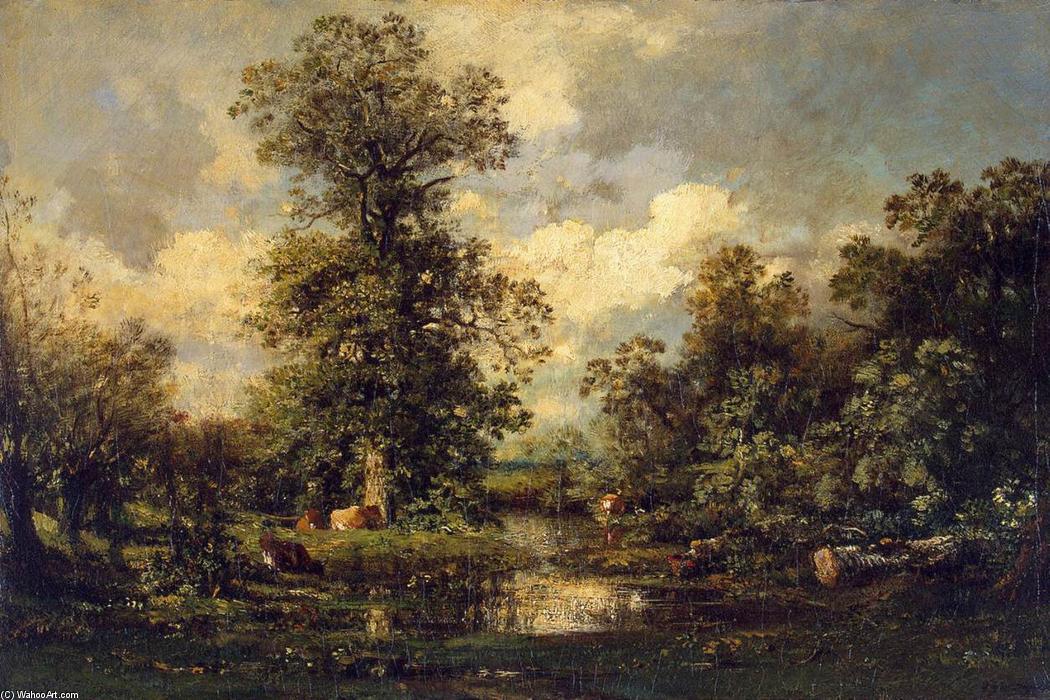
Forest Landscape

Experience Jules Dupré's 'Forest Landscape,' a captivating Barbizon School painting of a serene woodland scene. This oil on canvas, housed at the Hermitage Museum, showcases loose brushstrokes and earthy tones – a timeless masterpiece.

Jules Dupré (1811-1889) vezető Barbizon festője; drámai, érzelmi természetképei: viharos égboltok, naplemente és vidéki tájak. Fedezze el mesteri műveit, mint a 'Reggeli és esti látvány a Louvre-ban'!

Kézzel készített olajfestmény reprodukció

Kézzel festett olajvastú vászon, az Ön által választott méretben és keretben, művészeink készítik meglévőre. ( Váltás nyomtatványra Áttérés digitális képre)

Corner sample of the P118B picture frame: formázott polisztirol, 5 cm wide and 3 cm thick
P118B Ft10
Corner sample of the P118H picture frame: formázott polisztirol, 5 cm wide and 3 cm thick
P118H Ft10
Corner sample of the P118W picture frame: formázott polisztirol, 5 cm wide and 3 cm thick
P118W Ft10
Corner sample of the P438Z picture frame: formázott polisztirol, 5.5 cm wide and 3.5 cm thick
P438Z Ft10
Corner sample of the P508JH picture frame: formázott polisztirol, 7 cm wide and 3.5 cm thick
P508JH Ft12
Corner sample of the P508YH picture frame: formázott polisztirol, 7 cm wide and 3.5 cm thick
P508YH Ft12
Corner sample of the P805H picture frame: formázott polisztirol, 5 cm wide and 3.5 cm thick
P805H Ft10
Corner sample of the P805Z picture frame: formázott polisztirol, 5 cm wide and 3.5 cm thick
P805Z Ft10
Corner sample of the P919BZ picture frame: formázott polisztirol, 7 cm wide and 3.5 cm thick
P919BZ Ft10
Corner sample of the P919G picture frame: formázott polisztirol, 7 cm wide and 3.5 cm thick
P919G Ft10
Corner sample of the P919XJ picture frame: formázott polisztirol, 7 cm wide and 3.5 cm thick
P919XJ Ft10
Corner sample of the P959ZH picture frame: formázott polisztirol, 5 cm wide and 3 cm thick
P959ZH Ft10
Corner sample of the P968JZ picture frame: formázott polisztirol, 6 cm wide and 4 cm thick
P968JZ Ft12
Corner sample of the W106C picture frame: tömörfa, 5 cm wide and 3 cm thick
W106C Ft8
Corner sample of the W218G picture frame: tömörfa, 5 cm wide and 3 cm thick
W218G Ft10
Corner sample of the W218JH picture frame: tömörfa, 5 cm wide and 3 cm thick
W218JH Ft8
Corner sample of the W218Y picture frame: tömörfa, 5 cm wide and 3 cm thick
W218Y Ft10
Corner sample of the W307PJ picture frame: tömörfa, 6 cm wide and 3 cm thick
W307PJ Ft10
Corner sample of the W316G picture frame: tömörfa, 6 cm wide and 3 cm thick
W316G Ft10
Corner sample of the W316PJ picture frame: tömörfa, 6 cm wide and 3 cm thick
W316PJ Ft8
Corner sample of the W316Y picture frame: tömörfa, 6 cm wide and 3 cm thick
W316Y Ft10
Corner sample of the W398PJ picture frame: tömörfa, 5 cm wide and 3 cm thick
W398PJ Ft8
Corner sample of the W4111J picture frame: tömörfa, 6.5 cm wide and 3.5 cm thick
W4111J Ft10
Corner sample of the W500HY picture frame: tömörfa, 7 cm wide and 5 cm thick
W500HY Ft15
Corner sample of the W500JH picture frame: tömörfa, 7 cm wide and 5 cm thick
W500JH Ft15
Corner sample of the W692G picture frame: tömörfa, 8 cm wide and 4 cm thick
W692G Ft12
Corner sample of the W849H picture frame: tömörfa, 5 cm wide and 3 cm thick
W849H Ft8
Corner sample of the W940BG picture frame: tömörfa, 7.5 cm wide and 4.5 cm thick
W940BG Ft15
Corner sample of the W953PJ picture frame: tömörfa, 6 cm wide and 3.5 cm thick
W953PJ Ft8

Standard méret
egyedi méretű
CM
INCH

Válasszon előre meghatározott méreteink közül, amelyek megfelelnek a műalkotás eredeti arányainak.

szélesség
magasság

Írja be a kívánt szélességet és magasságot, hogy illeszkedjen a keretéhez vagy a falához. Mivel ez kézzel festett alkotás, egy eltérő formájú méret esetén a művész akár festhet is valamivel többet a kép körül, vagy korolathat is belőle — az Ön döntésének megfelelően. A festés megkezdése előtt küldünk egy digitális tervezetet jóváhagyásra. Az oldalon látható kép nem tartalmazza a végeredményt — csak a tervezet mutatja meg a valódi eredményt.

Példák arra, mit lehet módosítani: az arc kicserélése az ügyfél fotójára; háziállat hozzáadása (pl. macska helyett kutya); rejtett üzenet elhelyezése a háttérben; a háttér tájának vagy elemeinek megváltoztatása.
A rendelést követően a WahooArt.com csapata e-mailt küld az ügyfélnek az instrukciókért, és biztosít egy előnézeti képet (mockup).

Világszerte elérhető szállítás () 3-4 hét alatt a szokásos 5 hét helyett. (25 október). A minőség nem kérdőjelezhető.

Ingyenes globális expressz szállítás
Prémium minőségű len vászon
Teljes körű szállítási biztosítás
Vámvisszatérítési Garancia
Hiteles színarányosság garancia
100 napos visszaküldési lehetőség (csak hibás termékek esetén)
100% pénzvisszatérítési garancia
Több darab vásárlásakor kedvezmény

Összesített ár

Ft 87183

Forest Landscape

Reprodukciós technika

Reprodukció mérete

-

Összesített ár

Ft 87183

Gyors információk

  • Title: Forest Landscape
  • Subject or theme: Forest Landscape
  • Dimensions: 39 x 58 cm
  • Artistic style: Realism
  • Notable elements: Loose brushstrokes, earth tones
  • Influences:
    • Corot
    • Daubigny

Művészeti kvíz

Minden kérdésre csak egy helyes válasz létezik.

Kérdés 1:
What artistic movement is Jules Dupré primarily associated with?
Kérdés 2:
According to the description, what key element is emphasized in 'Forest Landscape' regarding light?
Kérdés 3:
In what museum is the original 'Forest Landscape' by Jules Dupré currently housed?
Kérdés 4:
What is a characteristic feature of Jules Dupré's painting style, as described in the text?
Kérdés 5:
The description mentions that Jules Dupré was influenced by which artist?

A Symphony of Earth and Sky: Unveiling Jules Dupré’s “Forest Landscape”

Jules Dupré's "Forest Landscape," painted in 1840, isn’t merely a depiction of trees; it’s an immersion into the heart of the Barbizon School’s philosophy – a profound reverence for nature rendered with raw emotion and meticulous observation. This oil on canvas, currently residing within the esteemed Hermitage Museum in St. Petersburg, transcends simple landscape painting, offering a glimpse into the soul of 19th-century France and the artist's deeply personal connection to the natural world.

The Barbizon School, emerging from the shadow of Romanticism, rejected the idealized landscapes favored by earlier generations. Instead, they sought truth in the everyday – the weathered bark of a tree, the dappled sunlight filtering through leaves, the subtle shifts in color that define a fleeting moment. Dupré embodies this ethos with remarkable clarity. He doesn’t strive for picturesque beauty; he presents the forest as it *is*, imbued with a sense of quiet drama and timelessness. The composition is anchored by a winding river, its surface mirroring the sky above – a clever device that blurs the boundaries between earth and heavens, suggesting an infinite expanse.

Decoding the Palette: Earth Tones and Emotional Resonance

Dupré’s masterful use of color is central to the painting's impact. He eschews bright hues in favor of a rich tapestry of earthy tones – deep greens, browns, ochres, and subtle blues – creating an atmosphere of profound tranquility and introspection. These aren’t merely colors; they are textures, evoking the dampness of moss, the roughness of bark, and the muted light of a forest floor. Notice how he employs loose brushstrokes, allowing the paint to flow freely across the canvas, capturing the movement of branches in the wind and the dappled patterns of sunlight. This technique contributes significantly to the painting’s sense of immediacy and vitality.

The sky itself is a study in atmospheric perspective – a swirling blend of clouds rendered with delicate washes of blue and gray. These aren't static formations; they seem to shift and change, mirroring the ever-changing moods of nature. The light filtering through these clouds casts a gentle illumination on the landscape below, highlighting the play of light and shadow in the foliage and along the river’s edge – creating an illusion of depth and volume that draws the viewer into the scene.

A Window to the Barbizon: Context and Symbolism

To fully appreciate “Forest Landscape,” it's crucial to understand its historical context. The Barbizon School, centered around the Forest of Fontainebleau, rejected the Parisian Salon’s emphasis on academic art and sought inspiration directly from nature. Artists like Dupré, Corot, and Millet spent countless hours observing and painting outdoors, capturing the essence of rural life and the beauty of the French countryside. Dupré's work is often interpreted as a reflection of his own emotional state – a yearning for simplicity, solitude, and connection with the natural world.

Symbolically, the forest itself represents a realm of mystery and introspection. It’s a place where one can escape the pressures of society and connect with something larger than oneself. The winding river serves as a metaphor for the flow of life – its constant movement reminding us to embrace change and accept the inevitable passage of time. The painting, therefore, is not simply a representation of a forest; it’s an invitation to contemplate our place within the grand scheme of nature.

Bringing “Forest Landscape” Home: Reproductions and Artistic Legacy

Handmade oil painting reproductions of this beautiful work are now available for purchase at WahooArt.com, offering a tangible connection to Dupré’s artistic vision. Whether adorning your living room wall or serving as a focal point in a serene bedroom, “Forest Landscape” will undoubtedly evoke feelings of peace, tranquility, and wonder. Its timeless appeal ensures that it will remain a cherished addition to any art collection for generations to come.

Kérdések és válaszok

Mi a "Forest Landscape" formátuma?

A „Forest Landscape”, Jules Dupré alkotása Landscape formátumú alkotás. A formátum a kompozíció arányait határozza meg.

Ki készítette a(t): "Forest Landscape"?

A "Forest Landscape" alkotását Jules Dupré készítette. Az ezen az oldalon található információk Jules Dupré eredeti művészetét mutatják be.

Milyen helyiségbe javasolt a „Forest Landscape”, Jules Dupré alkotása?

A "Forest Landscape" reprodukciója jól illik egy Living Room-be.


A művész életrajza

A Barbizon drámai lelke

Jules Dupré (1811–1889) a Barbizon Iskola egyik alapköveként áll fent, egy olyan művészeti mozgalomként, amely a tájfestészetben a nyers megfigyelést és az érzelmi rezonanciát hirdette. Ellentétben kortársai dengan, például Corottal, akik gyakran a lírai szépséget és a nyugodt csendet keresték, Dupré a természet sötétenebb, viharosabb oldalával küzdött. Egyedülálló képességgel rendelkezett a viharok dühének, az alkonyat melankolikus pompájának és az elemek könyörtelen energiájának megörökítésében, ezeket a tapasztalatokat páratlan intenzitással közvetítve. Franciaország, Nantes városában született Dupré művészeti utazása a természetvilág iránti növekvő vonzalommmal és annak mély, gyakran viharos emberi érzéseket kiváltó képességével kezdődött.

Korai évei a részletek aprólékos figyelmére és a kézműves tudás becsülésére épített alapot biztosítottak, minőségeket, amelyeket apja porcelángyártó vállalkozása finomított. Ez a formáló tapasztalat később átültethetővé vált saját művészeti törekvéseiben, ami különösen korai munkáiban volt látható, amelyek a kerámia díszítés bonyolultságát kutatták. Porcelánfestő tanoncként megtanulta a finom vonalak és textúrák fegyelmét, egy olyan készségét, amely végül mesteri szintűvá vált az atmoszférik mélységének és az organikus formák tudatos kezelésében.

Viharként és égboltként formálódó vízió

Dupré pályájának irányát irrevocálisan meghatározta találkozása John Constable úttörő vászonaiéval. Az angol tájfestészeti hagyományoknak való ez a felfedezése felgyújtotta benne a vágyat, hogy megörökítse a természet dinamizmusának lényegét – a szél által mozgatott lombkorona könyörtelen ingadozását és a fény és árnyék drámatikus játékát a nap legváltozóbb óráiban. 1831-ben Great Brittániába utazva Dupré mély tanulmányokat végzett ezekről az angol mesterekről, és Franciaországba egy olyan képi gyűjteménnyel tért vissza, amely újradefiniálta a tájhoz való viszonyát.

Különös inspirációforrást talált Southampton és Plymouth környéki partvidéki területeken. A viharos égboltot tükröző hatalmas víztöredékek tökéletes laboratóriumot biztosított számára a viharfelhők zord mozgásának és a tenger hullámainak tanulásához. Ennek időszakának festményei nem csupán tájképek; érzelmi és hangulatközpontú kifejezések, amelyek tapintható drámaiságot és akár bánatot is sugároznak. A Barbizon esztétikájának befogadásával Dupré az expresszív színpalettákat és a határozott ecsetvonásokat részesítette előnyben az idealizált vagy csiszolt ábrázolások helyett, lehetővé téve, hogy maga a festék textúrája is tükrözze a föld tereptísztaságát.

A Barbizon mester öröksége

A Barbizon csoport kulcsfontosságú tagjaként Dupré szoros kapcsolatokat ápolt más legendás festőkkel, köztük Théodore Rousseauval. A francia művészeti életben való térnyerését jelentős mérföldkövek jellemezték, mint a Salonba való beavatása és a tájképeiért elismert hivatalos kitüntetései. Művészete összvonódott egy bizonyos hangzatos és rezonáló színharmóniával, ahol a lemenő nap fénye vagy egy közeledő vihar sötétségét a néző nemcsak láthatta, hanem érezhette is.

Napjainkban Jules Dupré a 19. századi francia tájfestészet egyik legbefolyásosabb művészeként él a nemzet emlékezetében. Művészeti hozzájárulása abban rejlik, hogy képes volt áthidalni a szakadékot a tiszta megfigyelés és a romantikus érzelem között. Olyan alkotásokon keresztül, mint a La Petite Charrette, a Cows Crossing a Ford, valamint folyóvidék lenyűgöző ábrázolása révén megtanította a művészek generációit, hogy a természet nem csupán festendő tárgy, hanem egy hatalmas erő, amelyet át kell élni. Öröksége bele van vésve a nehéz, atmoszférikus textúrákba és a drámai, lélegző égboltokba, amelyek ma is lenyűgözik a modern képzeletet.

Jules Dupré

Jules Dupré

1811 - 1889 , Francia

Rövid információk

  • Artistic Movement Or Style: Barbizon-iskola
  • Artists Or Movements Influenced By This Artist: ['Romantikus festészet']
  • Artists Who Influenced This Artist: ['Constable']
  • Date Of Birth: Nantes, Francia (1811)
  • Date Of Death: 1889. október 6.
  • Full Name: Jules Dupré
  • Nationality: Franciai
  • Notable Artworks:
    • Reggeli és esti jelenet a Louvre-ban
    • Szakadék átkelése a Wallace gyűjteményében
  • Place Of Birth: Francia