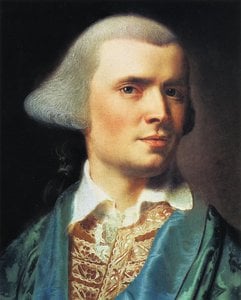
A Pioneer Bridging Worlds: The Life and Art of John Singleton Copley
John Singleton Copley, született 1738-ban Bostonban, egyedülálló és kulcsfontosságú helyet foglal el az amerikai művészet történetében. Nem csupán festő volt; egy kulturális híd is, amely angolszász esztétikát formált a politikai és társadalmi felkavarodások időszakában. Élete egy önfegyelmes brillanciával, szívós ambícióval és a társaik lényegének megörökítésének csínytevésével volt tarkított. Kora évei a koloniális Bostonban jártak, egy városban, amely tele volt kereskedőkkel, hajókészítőkkel és virágzó gazdagsággal. Apja, Richard Copley, rövid idő alatt megszületése után távozott, de anyai édesapja, Peter Pelham, az értékes graffikus és liminér (képző, aki portrékat vellum vagy pergamenre festett) nyújtott neki első irányokat. Bár Pelham útmutatása volt, Copley tehetsége nagyrészt önfegyelmes gyakorlással és tanulással lett fejlesztve. Elolvasott minden elérhető vetkőzését, szigorúan utánozta őket a technikát, és gyorsabban felülmúlta a stepfatherét.
A Koloniális Portréista Árpai
A 1760-as években Copley lett Boston vezető portréfestője, aki az város elit körében kínálta szolgáltatását. Sikere nem csupán a művészi készsége volt; hanem a képessége, hogy a portréit pszichológiai mélységnek örvendezzen, ami ritka volt a koloniális amerikai művészetben. A reprezentációk fölémenve, Copley arra törekedett, hogy megörökölje a társaik karakterét és társadalmi státuszát. Ez magában foglalta a részletekre való odafigyelést – a szövetek pontos ábrázolását, ékszereket és berendezéseket – de a testtartás, a kifejezés és a gesztusok megértésére is összpontosított. Copley portréi nem csupán képek voltak; hanem társadalmi kijelentések is. Győződött meg róla, hogy a gazdagság, a hatalom és a társadalmi aspirációk tükröződnek bennük. Szabályosan integrálta szimbólumokat a kompozícióiba, finoman utalva a társaik foglalkozására vagy érdekeire. Például egy kereskedő portréjában a háttérben importált termékeket ábrázolt, egy ügyvéd pedig jogi szövegeket, egy tengerészeti tiszt pedig tengeri eszközöket. Ez a részletesség és szimbólumok használata felmagasította a munkáját egyszerű portréfestéstől, átalakítva azt egyfajta társadalmi kommentárrá. A *Mrs. Ezekiel Gondthwait (Elizabeth Lewis)* című alkotása példa erre – az elegáns póz, a luxus szövetek és a finom részletek mind-mind egyfajta kifinomultságot és státuszt sugallnak.
Ambíciók és Európa Hívása
Bár sikeres volt Bostonban, Copley ambíciói kiterjedtek a koloniális művészeti világon túlra. Érdeklődött a londoni és római művészi körök elismerése iránt, és tesztelte képességeit az európai mesterekkel szemben. 1766-ban elküldte *Boy with a Flying Squirrel* című olajfestményét a Londoni Művész Társaság számára, ahol Joshua Reynolds és Benjamin West, a brit művészek vezető alakjai nagy elismerést éltek vele. Ez az ösztönzés felerősítette Copley vágyát további tanulásra és kiállításra. Azonban a családi kötelezettségek és egy virágzó műhely akadályozta, hogy távozjon Bostonból további tíz évig. Végül 1774-ben, felesége, Susanna Farnsworth Clarke és gyermekeivel együtt elindult Európába, a célja, hogy tanuljon az öreg mesterségektől és megalapítsa magát egy európai festőként. Az amerikai forradalom hamarosan következett, ami megnehezítette helyzetét, miközben művészi céljai érdekében próbált navigálni a politikai környezetben.
Történelmi Narratívák és Örökség
Londonban Copley találkozott lehetőségekkel és kihívásokkal is. Folytatta portréfestését, ahol megkapta a brit prominens személyiségek megbízásait, de figyelmét fordította a történelmi festészetre is – egy műfajra, amely az időben tekintélyesebbnek számított. Legnagyobb ambiciózus munkája ebben a tekintetben *The Death of Major Peirson* című alkotás volt, amely egy jelenetet ábrázolt a Jersey-i csatából a forradalom idején. Bár művészi szempontból kiemelkedő volt, a kritikák vegyesen voltak, néhányan megkérdőjelezték kompozícióját és drámai hatását. Copley későbbi történelmi festményei, mint például *The Colapse of the Earl of Chatham in the House of Lords*, sikeresebbek lettek, bizonyítva, hogy képesek komplex érzelmeket és drámai pillanatokat ábrázolni. Bár soha nem ért el aiban kívánt elismerést Európában, John Singleton Copley hagyománytermi és művészi örökségét megőrizte az amerikai és brit művészettörténetben. Egyedülálló angolszász stílust formált, amely ötvözte a európai technikákat egyedi koloniális érzékenységgel. Portréi értékes történelmi dokumentumok, amelyek betekintést nyújtanak egy elhunyt kor életével és értékivel kapcsolatban. Ő nem csak művészi képessége miatt emlékezetes, hanem azért is, mert formálta az amerikai identitást művészetén keresztül.
Hatások és Művészi Fejlődés
- Korai Hatások: Copley korai művészi fejlődése nagyban befolyásolta a szigorúan utánozott vetkőzésének részletei, különösen a holland és francia mesterek alkotásai.
- Peter Pelham útmutatása: A stepfatherje, Peter Pelham nyújtott neki első tanácsokat a portréfestés és a grafika technikáiban, amely megalapozta jövőbeli sikereit.
- Joshua Reynolds & Benjamin West ösztönzése: Ezek a vezető brit művészek támogatása és visszajelzése Copley korai bemutatói során a londoni kiállításokon kulcsfontosságú volt az ambícióinak és művészi irányának kształtásában.
- Rococo Stílusa: Kezdetben Copley fogadta el a rokokó stílust, ami a finom színek, elegáns pózok és díszes részletek használatában nyilvánult meg. Azonban fokozatosan távolodott ettől, egy realistább és visszafogottabb irányba mozgott.
- Történelmi festés inspirációja: Benjamin West történelmi festményeihez való expozíció ösztönözte őt, hogy ezt a műfajt is felfedezze, bár gyakran küzdött azzal, hogy ez megfeleljen természetes képességeinek a portréfestéssel szemben.



 Előnézet
 Kézzel festett másolat vásárlása
 Megosztás
 Megosztás
 Részletek
 Útmutató

 Letöltés
 Hasonló darabok
 X-ray felvétel
 Diavetítés
 Statisztika


 Tovább olvasom






































 Az üvegkeretes opció csak 110 cm alatti méretben érhető el