Előnézet AR előnézet Kézzel festett másolat vásárlása Áttérés digitális képre Megosztás
Részletek Útmutató Kedvencekhez ad Letöltés Hasonló darabok X-ray felvétel Diavetítés Statisztika

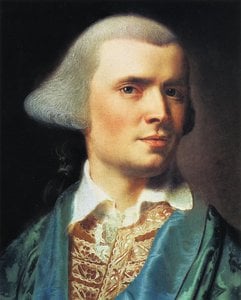
John Gray

John Singleton Copley (1738–1815) was a pivotal Anglo-American painter who revolutionized portraiture with his ability to depict subjects authentically. Born in Boston, he honed his craft independently, becoming renowned for capturing the essence of his era and establishing himself as a pioneer bridging artistic traditions.

Copley John: A nagyszerű amerikai festő, aki a koloniális portrék és a történelmi tájak innovatív stílusával jelent meg. Fedezze fel műveit!

Giclée / Műnyomat

Múzeumi minőségű giclée vagy vászonnyomat, gyors gyártással és rugalmas finomítási lehetőségekkel. ( Kézzel festett másolat vásárlása Áttérés digitális képre)

Corner sample of the P118B picture frame: formázott polisztirol, 5 cm wide and 3 cm thick
P118B Ft10
Corner sample of the P118H picture frame: formázott polisztirol, 5 cm wide and 3 cm thick
P118H Ft10
Corner sample of the P118W picture frame: formázott polisztirol, 5 cm wide and 3 cm thick
P118W Ft10
Corner sample of the P438Z picture frame: formázott polisztirol, 5.5 cm wide and 3.5 cm thick
P438Z Ft10
Corner sample of the P508JH picture frame: formázott polisztirol, 7 cm wide and 3.5 cm thick
P508JH Ft12
Corner sample of the P508YH picture frame: formázott polisztirol, 7 cm wide and 3.5 cm thick
P508YH Ft12
Corner sample of the P805H picture frame: formázott polisztirol, 5 cm wide and 3.5 cm thick
P805H Ft10
Corner sample of the P805Z picture frame: formázott polisztirol, 5 cm wide and 3.5 cm thick
P805Z Ft10
Corner sample of the P919BZ picture frame: formázott polisztirol, 7 cm wide and 3.5 cm thick
P919BZ Ft10
Corner sample of the P919G picture frame: formázott polisztirol, 7 cm wide and 3.5 cm thick
P919G Ft10
Corner sample of the P919XJ picture frame: formázott polisztirol, 7 cm wide and 3.5 cm thick
P919XJ Ft10
Corner sample of the P959ZH picture frame: formázott polisztirol, 5 cm wide and 3 cm thick
P959ZH Ft10
Corner sample of the P968JZ picture frame: formázott polisztirol, 6 cm wide and 4 cm thick
P968JZ Ft12
Corner sample of the W106C picture frame: tömörfa, 5 cm wide and 3 cm thick
W106C Ft8
Corner sample of the W218G picture frame: tömörfa, 5 cm wide and 3 cm thick
W218G Ft10
Corner sample of the W218JH picture frame: tömörfa, 5 cm wide and 3 cm thick
W218JH Ft8
Corner sample of the W218Y picture frame: tömörfa, 5 cm wide and 3 cm thick
W218Y Ft10
Corner sample of the W307PJ picture frame: tömörfa, 6 cm wide and 3 cm thick
W307PJ Ft10
Corner sample of the W316G picture frame: tömörfa, 6 cm wide and 3 cm thick
W316G Ft10
Corner sample of the W316PJ picture frame: tömörfa, 6 cm wide and 3 cm thick
W316PJ Ft8
Corner sample of the W316Y picture frame: tömörfa, 6 cm wide and 3 cm thick
W316Y Ft10
Corner sample of the W398PJ picture frame: tömörfa, 5 cm wide and 3 cm thick
W398PJ Ft8
Corner sample of the W4111J picture frame: tömörfa, 6.5 cm wide and 3.5 cm thick
W4111J Ft10
Corner sample of the W500HY picture frame: tömörfa, 7 cm wide and 5 cm thick
W500HY Ft15
Corner sample of the W500JH picture frame: tömörfa, 7 cm wide and 5 cm thick
W500JH Ft15
Corner sample of the W692G picture frame: tömörfa, 8 cm wide and 4 cm thick
W692G Ft12
Corner sample of the W849H picture frame: tömörfa, 5 cm wide and 3 cm thick
W849H Ft8
Corner sample of the W940BG picture frame: tömörfa, 7.5 cm wide and 4.5 cm thick
W940BG Ft15
Corner sample of the W953PJ picture frame: tömörfa, 6 cm wide and 3.5 cm thick
W953PJ Ft8

Standard méret
egyedi
CM
INCH

Válasszon előre meghatározott méreteink közül, amelyek megfelelnek a műalkotás eredeti arányainak.

szélesség
magasság

Írja be a keretének vagy a falának megfelelő szélességet és magasságot. A nyomatot csak le lehet vágni, soha nem tehető nagyobbá, mint az eredeti kép, így egy eltérő alakú méretnél a kép egy része elveszik. Mielőtt bármit kinyatintanánk, küldünk egy digitális próbamodellt jóváhagyásra. Az oldalon látható kép nem tartalmazza a valós levágást — ezt csak a próbamodell mutatja meg.

Világszerte történő kiszállítás területére mindössze 2 hét alatt, a szokásos 4-5 hét helyett. (15 október)

Ingyenes globális expressz szállítás
Prémium minőségű len vászon
Teljes körű szállítási biztosítás
Vámvisszatérítési Garancia
Tökéletes színarányosság garancia
100 napos visszaküldési garancia (csak gyártási hibás termékek esetén)
100% pénzvisszatérítési garancia
Több darab vásárlásakor kedvezmény

Összesített ár

Ft 21568

John Gray

Giclée / Műnyomat

Reprodukció méretei

-

Összesített ár

Ft 21568

Rövid tények

  • Dimensions: 49 3/8 × 39 1/4 inches (125.4 × 99.7 cm)
  • Year: 1766
  • Location: Detroit Institute of Arts
  • Artistic style: Formal portraiture
  • Influences: Joshua Reynolds
  • Notable elements or techniques: Chiaroscuro; Layered paint

Művészeti kvíz

Minden kérdésre csak egy helyes válasz létezik.

Kérdés 1:
Who is the subject of this 1766 portrait?
Kérdés 2:
What artistic technique does Copley use to create depth and highlight the subject's face through light and shadow?
Kérdés 3:
Which era's aesthetic is reflected in this portrait's focus on dignity, honor, and tradition?
Kérdés 4:
What does the large pillar and draped fabric in the composition primarily symbolize?
Kérdés 5:
In which city was the artist, John Singleton Copley, active when he painted this work?

A Vision of Colonial Dignity

In the quiet strength of John Singleton Copley’s 1766 masterpiece, "John Gray," we encounter more than a mere likeness; we step into the very heart of colonial American aristocracy. This portrait serves as a profound window into an era defined by both burgeoning neoclassical elegance and the simmering political tensions of pre-revolutionary Boston. The subject, John Gray, was a man of significant legal standing—a judge whose reputation for unwavering justice is etched into every deliberate stroke of C#opley’s brush. Through this work, the artist does not simply record a face, but rather constructs a visual language of honor, stability, and profound reserve that continues to captivate the modern eye.

The composition is masterfully orchestrated to command respect. Utilizing a classic three-quarter pose, Copley positions Gray slightly off-center, a technique that breathes life into the figure and prevents the portrait from feeling static or overly formal. A massive, architectural pillar anchors the scene, providing a sense of structural permanence that mirrors the subject's own steadfast character. Behind him, heavy, draped fabrics cascade in deep, rich folds, adding a layer of tactile luxury that speaks to Gray’s elevated social status. This interplay between the rigid verticality of the stone and the soft, organic curves of the drapery creates a sophisticated visual tension, guiding the viewer's gaze toward the subject's face.

The Mastery of Light and Texture

What truly distinguishes this work for collectors and connoisseurs is Copley’s extraordinary technical virtuosity. The artist employs a strategic use of chiaroscuro, allowing light to emerge from an unseen source to illuminate Gray’s features with dramatic precision. This lighting does more than just define form; it creates a sense of three-dimensional presence that makes the subject feel almost tangible within the frame. The palette is a masterclass in understated elegance, dominated by muted tones of forest green, slate grey, crisp white, and earthy browns. These colors do not compete for attention but rather work in harmony to evoke an atmosphere of somber, dignified importance.

For those who appreciate the fine details of fine art, the textures within this oil on canvas are nothing short of breathtaking. Copley’s meticulous brushwork captures the subtle gradations of skin, the crisp starch of a white collar, and the heavy weight of woolen cloth with astonishing realism. Every highlight on the silk or linen is rendered with such precision that one can almost feel the fabric's texture. This level of detail makes "John Gray" an exceptional choice for high-quality reproductions intended for sophisticated interiors, as it brings a sense of historical depth and material richness to any room.

An Enduring Legacy for the Modern Collector

Beyond its technical brilliance, "John Gray" resonates emotionally through its portrayal of character. There is a quiet, penetrating gaze in the subject's eyes that establishes an intimate connection with the viewer, inviting contemplation on the virtues of responsibility and moral fortitude. It is a portrait that embodies the transition of American art from mere documentation to a sophisticated medium capable of expressing complex human ideals.

For interior designers and art enthusiasts seeking to infuse a space with a sense of heritage and gravitas, this piece offers unparalleled inspiration. Whether placed in a formal study, a library, or a grand hallway, a reproduction of this Copley masterpiece serves as a focal point of timeless class. It is an investment in an aesthetic that transcends trends, offering a permanent connection to the golden age of colonial portraiture and the enduring spirit of American history.

Gyakran Ismételt Kérdések

Milyen felhasználásra javasolt a „John Gray”, John Singleton Copley alkotása?

A „John Gray”, John Singleton Copley alkotása reprodukcióját Accent célokra javasoljuk. Ez a javaslat a mű témájából, hangulatából és színeiből adódik.

Hogyan épül fel a „John Gray”, John Singleton Copley alkotása színes kompozíciója?

A „John Gray”, John Singleton Copley alkotása színelemzése egy Statement kontrasztot és egy Discordant Palette harmóniát mutat be.

Mennyi éves volt John Singleton Copley, amikor megalkotta a "John Gray" alkotást 1766 årban?

John Singleton Copley 28 éves korában festette a „John Gray” című művét. A művész 1738 született, a alkotás dátuma pedig 1766.


A művész életrajza

A Pioneer Bridging Worlds: The Life and Art of John Singleton Copley

John Singleton Copley, született 1738-ban Bostonban, egyedülálló és kulcsfontosságú helyet foglal el az amerikai művészet történetében. Nem csupán festő volt; egy kulturális híd is, amely angolszász esztétikát formált a politikai és társadalmi felkavarodások időszakában. Élete egy önfegyelmes brillanciával, szívós ambícióval és a társaik lényegének megörökítésének csínytevésével volt tarkított. Kora évei a koloniális Bostonban jártak, egy városban, amely tele volt kereskedőkkel, hajókészítőkkel és virágzó gazdagsággal. Apja, Richard Copley, rövid idő alatt megszületése után távozott, de anyai édesapja, Peter Pelham, az értékes graffikus és liminér (képző, aki portrékat vellum vagy pergamenre festett) nyújtott neki első irányokat. Bár Pelham útmutatása volt, Copley tehetsége nagyrészt önfegyelmes gyakorlással és tanulással lett fejlesztve. Elolvasott minden elérhető vetkőzését, szigorúan utánozta őket a technikát, és gyorsabban felülmúlta a stepfatherét.

A Koloniális Portréista Árpai

A 1760-as években Copley lett Boston vezető portréfestője, aki az város elit körében kínálta szolgáltatását. Sikere nem csupán a művészi készsége volt; hanem a képessége, hogy a portréit pszichológiai mélységnek örvendezzen, ami ritka volt a koloniális amerikai művészetben. A reprezentációk fölémenve, Copley arra törekedett, hogy megörökölje a társaik karakterét és társadalmi státuszát. Ez magában foglalta a részletekre való odafigyelést – a szövetek pontos ábrázolását, ékszereket és berendezéseket – de a testtartás, a kifejezés és a gesztusok megértésére is összpontosított. Copley portréi nem csupán képek voltak; hanem társadalmi kijelentések is. Győződött meg róla, hogy a gazdagság, a hatalom és a társadalmi aspirációk tükröződnek bennük. Szabályosan integrálta szimbólumokat a kompozícióiba, finoman utalva a társaik foglalkozására vagy érdekeire. Például egy kereskedő portréjában a háttérben importált termékeket ábrázolt, egy ügyvéd pedig jogi szövegeket, egy tengerészeti tiszt pedig tengeri eszközöket. Ez a részletesség és szimbólumok használata felmagasította a munkáját egyszerű portréfestéstől, átalakítva azt egyfajta társadalmi kommentárrá. A *Mrs. Ezekiel Gondthwait (Elizabeth Lewis)* című alkotása példa erre – az elegáns póz, a luxus szövetek és a finom részletek mind-mind egyfajta kifinomultságot és státuszt sugallnak.

Ambíciók és Európa Hívása

Bár sikeres volt Bostonban, Copley ambíciói kiterjedtek a koloniális művészeti világon túlra. Érdeklődött a londoni és római művészi körök elismerése iránt, és tesztelte képességeit az európai mesterekkel szemben. 1766-ban elküldte *Boy with a Flying Squirrel* című olajfestményét a Londoni Művész Társaság számára, ahol Joshua Reynolds és Benjamin West, a brit művészek vezető alakjai nagy elismerést éltek vele. Ez az ösztönzés felerősítette Copley vágyát további tanulásra és kiállításra. Azonban a családi kötelezettségek és egy virágzó műhely akadályozta, hogy távozjon Bostonból további tíz évig. Végül 1774-ben, felesége, Susanna Farnsworth Clarke és gyermekeivel együtt elindult Európába, a célja, hogy tanuljon az öreg mesterségektől és megalapítsa magát egy európai festőként. Az amerikai forradalom hamarosan következett, ami megnehezítette helyzetét, miközben művészi céljai érdekében próbált navigálni a politikai környezetben.

Történelmi Narratívák és Örökség

Londonban Copley találkozott lehetőségekkel és kihívásokkal is. Folytatta portréfestését, ahol megkapta a brit prominens személyiségek megbízásait, de figyelmét fordította a történelmi festészetre is – egy műfajra, amely az időben tekintélyesebbnek számított. Legnagyobb ambiciózus munkája ebben a tekintetben *The Death of Major Peirson* című alkotás volt, amely egy jelenetet ábrázolt a Jersey-i csatából a forradalom idején. Bár művészi szempontból kiemelkedő volt, a kritikák vegyesen voltak, néhányan megkérdőjelezték kompozícióját és drámai hatását. Copley későbbi történelmi festményei, mint például *The Colapse of the Earl of Chatham in the House of Lords*, sikeresebbek lettek, bizonyítva, hogy képesek komplex érzelmeket és drámai pillanatokat ábrázolni. Bár soha nem ért el aiban kívánt elismerést Európában, John Singleton Copley hagyománytermi és művészi örökségét megőrizte az amerikai és brit művészettörténetben. Egyedülálló angolszász stílust formált, amely ötvözte a európai technikákat egyedi koloniális érzékenységgel. Portréi értékes történelmi dokumentumok, amelyek betekintést nyújtanak egy elhunyt kor életével és értékivel kapcsolatban. Ő nem csak művészi képessége miatt emlékezetes, hanem azért is, mert formálta az amerikai identitást művészetén keresztül.

Hatások és Művészi Fejlődés

  • Korai Hatások: Copley korai művészi fejlődése nagyban befolyásolta a szigorúan utánozott vetkőzésének részletei, különösen a holland és francia mesterek alkotásai.
  • Peter Pelham útmutatása: A stepfatherje, Peter Pelham nyújtott neki első tanácsokat a portréfestés és a grafika technikáiban, amely megalapozta jövőbeli sikereit.
  • Joshua Reynolds & Benjamin West ösztönzése: Ezek a vezető brit művészek támogatása és visszajelzése Copley korai bemutatói során a londoni kiállításokon kulcsfontosságú volt az ambícióinak és művészi irányának kształtásában.
  • Rococo Stílusa: Kezdetben Copley fogadta el a rokokó stílust, ami a finom színek, elegáns pózok és díszes részletek használatában nyilvánult meg. Azonban fokozatosan távolodott ettől, egy realistább és visszafogottabb irányba mozgott.
  • Történelmi festés inspirációja: Benjamin West történelmi festményeihez való expozíció ösztönözte őt, hogy ezt a műfajt is felfedezze, bár gyakran küzdött azzal, hogy ez megfeleljen természetes képességeinek a portréfestéssel szemben.

John Singleton Copley

John Singleton Copley

1738 - 1815 , Egyesült Királyság

Gyors információk

  • Artistic Movement Or Style: Portréfestészet, Realizmus
  • Artists Or Movements Influenced By This Artist: ['Korszerű festészet']
  • Artists Who Influenced This Artist:
    • Rembrandt van Rijn
    • Antoine Watteau
  • Date Of Birth: 1738. július 3.
  • Date Of Death: 1815. szeptember 9.
  • Full Name: John Singleton Copley
  • Nationality: Angol-amerikai
  • Notable Artworks:
    • Earl of Chatham
    • Mr. & Mrs. Izard
    • Watson and the Shark
  • Place Of Birth: Boston, Anglia
Fedezze fel a műalkotásokat témák, stílusok és jellemzők szerint csoportosítva.