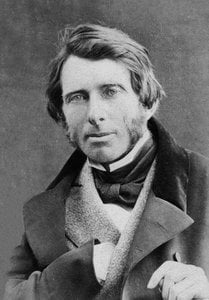
A művész életrajza
John Ruskin (1819–1900) – Egy Szellem Élete és Öröksége
John Ruskin, született 1819 februárjában Londonban, nem csak egy viktorián művészkritikus volt; ő egy igazán sokrétű tudós és alkotó személyiség volt, aki befolyással gyakorolt át hatalmas erővel az esztétika területén, valamint társadalmi reformokra, közgazdasági ismeretekre és környezetvédelmi gondolatokra. Élete különös kettősséget tükrözött – szülője, John James Ruskin, sikeres sherry kereskedő volt, és édesanyja, Margaret Cock egy intenzív evangélikus vallásosságú nő volt. Ez a kontrasztos felnövekedés mindkét szemében mély megfigyelési érzéket és egy igazán erkölcsös világtalanságot tanította meg, mely meghatározta egész művészi életét. Egy fiatal korában Ruskin oktatásának gondosan kiválasztották otthonában, melyet biblikus tanulmányokkal és az angol romantika irodalmával töltött el, különösen Byron és Walter Scott műveivel. Ezek a közös felnövekedési körülmények olyan elmét hoztak létre, amely szigorúan következetesen keresett kapcsolatokat a szépség, igazság és erkölcsös élet között. Egyetemi tanulmányait Oxford Egyetemen kezdte meg, ahol megfogalmazta saját művészi elképzeléseit és az alkotás szerepét társadalomban.
A Művészkritikus Új Születés
Ruskin művészi karrierje elindult *Modern Painters* című monumentális öt évkönyvével (1843–1860), mely elsősorban J.M.W. Turner védelmére irányult és amelyet Ruskin igazságtalan kritikának tekintett. Az alkotás azonban gyorsan túlmutatott azon az egyszerű célön, hogy Turner művészetét megvédje – egy átfogó tanulmány lett az önmagában arról, mi az művészi szépség és hogyan kapcsolódik össze az igazsághoz és az erkölcsös élethez. Ruskin nem csak elemzett technikát; mélyén vizsgálta az alkotás szellemi és morális tulajdonságait, úgy gondolta bowiem, hogy egy művész valódi szépsége egy igazán jó lelke tükröződik vissza. Ez a megközelítés akkoriban forradalmas volt, kihívva fel az akkori akadémiai szabványokat és megnyitva utat új művészi érzékeléseknek. Ruskin nem csak azt kérdezte meg, hogyan lehet igazán jól festeni; hanem azt is vizsgálta, hogy milyen értékeket tükrözhet egy alkotás és milyen kapcsolatban állhat azzal a világgal körülötte. Az eredmény pedig egy olyan művészi felfedezés volt, amely nagyban befolyással gyakorolt át az európai művészet története során. Ráadásul Ruskin nem csak azt kérdezgette meg, hogy miért és milyen okból választják meg az alkotók bizonyos témákat – hanem azt is vizsgálta, hogy ezek milyen jelentéssel rendelkeznek és milyen kapcsolatban állnak össze egymással. Ez egy olyan művészi szemlélet volt, amely nagyban befolyással gyakorolt át az európai művészet története során.
A Természet Szerelmese és Az Érzelem Szelleme
Ruskin művészi világtalansága alapvetően összefüggött a természet iránti mély szeretetével és megfigyelési érzékével. Egy különös képességű tudós volt, aki képes volt felfedezni az apró részleteket és ezek komplex együttállítását – egy olyan jelenséget, amely ma már a „fractal geometria” alapját képezi a Chaos Sziszegészethez tartozó elméletében. Együtt dolgozott William Holman Hunt-tal és Dante Gabriel Rossettivel, akik közös céljuk volt az akadémiai művészet kritikája és megújítása. Az ő művészei nem csak azt kérdezték meg, hogy miért és milyen okból választják meg bizonyos témákat – hanem azt is vizsgálták, hogy ezek milyen értékeket tükröznek és milyen kapcsolatban állnak össze egymással. Ez egy olyan művészi szemlélet volt, amely nagyban befolyással gyakorolt át az európai művészet története során. Ruskin számára nem csak a szépség számított – hanem az alkotás valódi értéke is azon múlott, hogy mennyire tükröződik vissza az alkotó lelke és milyen kapcsolatban áll azzal a világgal körülötte. Együtt dolgozott William Holman Hunt-tal és Dante Gabriel Rossettivel, akik közös céljuk volt az akadémiai művészet kritikája és megújítása. Az ő művészei nem csak azt kérdezték meg, hogy miért és milyen okból választják meg bizonyos témákat – hanem azt is vizsgálták, hogy ezek milyen értékeket tükröznek és milyen kapcsolatban állnak össze egymással. Ez egy olyan művészi szemlélet volt, amely nagyban befolyással gyakorolt át az európai művészet története során.
A Sztéta Érzék És Az Együttműködés Ünnepélye
Ruskin számára nem csak a szépség számított – hanem az alkotás valódi értéke is azon múlott, hogy mennyire tükröződik vissza az alkotó lelke és milyen kapcsolatban áll azzal a világgal körülötte. Együtt dolgozott William Holman Hunt-tal és Dante Gabriel Rossettivel, akik közös céljuk volt az akadémiai művészet kritikája és megújítása. Az ő művészei nem csak azt kérdezték meg, hogy miért és milyen okból választják meg bizonyos témákat – hanem azt is vizsgálták, hogy ezek milyen értékeket tükröznek és milyen kapcsolatban állnak össze egymással. Ez egy olyan művészi szemlélet volt, amely nagyban befolyással gyakorolt át az európai művészet története során. Ruskin számára nem csak a szépség számított – hanem az alkotás valódi értéke is azon múlott, hogy mennyire tükröződik vissza az alkotó lelke és milyen kapcsolatban áll azzal a világgal körülötte. Együtt dolgozott William Holman Hunt-tal és Dante Gabriel Rossettivel, akik közös céljuk volt az akadémiai művészet kritikája és megújítása. Az ő művészei nem csak azt kérdezték meg, hogy miért és milyen okból választják meg bizonyos témákat – hanem azt is vizsgálták, hogy ezek milyen értékeket tükröznek és milyen kapcsolatban állnak össze egymással. Ez egy olyan művészi szemlélet volt, amely nagyban befolyással gyakorolt át az európai művészet története során.
## Egy Új Szemmel Néző Művészkritikus És Tudós
Ruskin művészkritikusa és tudósa egyben egy igazán különleges személyiség volt – aki nem csak azt kérdezgette meg, hogy miért és milyen okból választják meg bizonyos témákat – hanem azt is vizsgálta, hogy ezek milyen értékeket tükröznek és milyen kapcsolatban állnak össze egymással. Ez egy olyan művészi szemlélet volt, amely nagyban befolyással gyakorolt át az európai művészet története során. Együtt dolgozott William Holman Hunt-tal és Dante Gabriel Rossettivel, akik közös céljuk volt az akadémiai művészet kritikája és megújítása. Az ő művészei nem csak azt kérdezték meg, hogy miért és milyen okból választják meg bizonyos témákat – hanem azt is vizsgálták, hogy ezek milyen értékeket tükröznek és milyen kapcsolatban állnak össze egymással. Ez egy olyan művészi szemlélet volt, amely nagyban befolyással gyakorolt át az európai művészet története során. Együtt dolgozott William Holman Hunt-tal és Dante Gabriel Rossettivel, akik közös céljuk volt az akadémiai művészet kritikája és megújítása. Az ő művészei nem csak azt kérdezték meg, hogy miért és milyen okból választják meg bizonyos témákat – hanem azt is vizsgálták, hogy ezek milyen értékeket tükröznek és milyen kapcsolatban állnak össze egymással. Ez egy olyan művészi szemlélet volt, amely nagyban befolyással gyakorolt át az európai művészet története során. Együtt dolgozott William Holman Hunt-tal és Dante Gabriel Rossettivel, akik közös céljuk volt az akadémiai művészet kritikája és megújítása. Az ő művészei nem csak azt kérdezték meg, hogy miért és milyen okból választják meg bizonyos témákat – hanem azt is vizsgálták, hogy



 Előnézet
 Váltás nyomtatványra
 Megosztás
 Megosztás
 Részletek
 Útmutató

 Letöltés
 Hasonló darabok
 X-ray felvétel
 Diavetítés
 Statisztika


 Tovább olvasom






































 Az üvegkeretes opció csak 110 cm alatti méretben érhető el