INGYENES MŰVÉSZETI TANÁCSADÁS

x
Készíttetnék festményként Készíttetnék festménykéntKép letöltése Kép letöltése MegosztásMegosztás
RészletekRészletek Kedvencekhez ad Kedvencekhez ad LetöltésLetöltés Hasonló alkotásokHasonló alkotások X-ray felvételX-ray felvétel DiavetítésDiavetítés

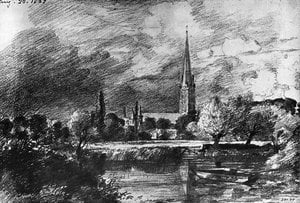
A Barge below Flatford Lock

John Constable mesterien festett, a Flatford Lock melletti csónakjáró tájképének lenyűgöző változata. A természet szépségét és a Suffolk vidékeinek békésségét ábrázolja.

Fedezze fel John Constable (1776-1837) ikonikus tájképeit! Romantikus angol festő, aki a Suffolk vidékének, különösen a Dedham Vale természetes szépségét ábrázolja. Kézzel festett reprodukciókat kínálunk!

Giclée / Műnyomat

Múzeumi minőségű giclée vagy vászonnyomat, gyors gyártással és rugalmas finomítási lehetőségekkel.

P118B $10
P118H $10
P118W $10
P438Z $10
P508JH $12
P508YH $12
P805H $10
P805Z $10
P919BZ $10
P919G $10
P919XJ $10
P959ZH $10
P968JZ $12
W106C $8
W218G $10
W218JH $8
W218Y $10
W307PJ $10
W316G $10
W316PJ $8
W316Y $10
W398PJ $8
W4111J $10
W500HY $15
W500JH $15
W692G $12
W849H $8
W940BG $15
W953PJ $8

Standard
custom
CM
INCH

Válasszon előre meghatározott méreteink közül, amelyek megfelelnek a műalkotás eredeti arányainak.

szélesség
magasság

Megadhat saját méreteket is egy konkrét kerethez vagy helyszínhez igazítva. Amennyiben a kiválasztott méret nem egyezik az eredeti kép arányokkal, a műalkotást le fogjuk vágni, vagy kiegészítjük a képet tükrözött vagy egyszínű szélekkel. A gyártás megkezdése előtt egy digitális tervezetet küldünk jóváhagyásra.
Kérjük, vegye figyelembe, hogy a képernyőn látható előnézet nem tükrözi a tényleges levágást vagy kiegészítést. Csak a tervezet mutatja pontosan a végső kompozíciót.
Bár az egyedi méretek is elérhetőek, az eredeti arányok megőrzése érdekében azt javasoljuk, hogy válasszon a előre meghatározott listából származó méretet.

Világszerte történő kiszállítás területére 2 hét alatt, a szokásos 4-5 hét helyett. 3 július

why_choose_icon
Ingyenes globális expressz szállítás
why_choose_icon
Prémium minőségű len vászon
why_choose_icon
Teljes szállítási biztosítás
why_choose_icon
Vámvisszatérítési Garancia
why_choose_icon
Tökéletes színpontosság garancia
why_choose_icon
60 napos visszaküldési lehetőség (csak gyártási hibák esetén)
why_choose_icon
100%-os pénzvisszatérítési garancia
why_choose_icon
Kedvezmény több termény esetén

Összesen

-

reproduction

A Barge below Flatford Lock

Giclée / Műnyomat

A reprodukció mérete

-

Összesített ár

-

Rövid tények

  • Dimensions: 4’ x 5’ (120 cm x 150 cm)
  • Year: 1816
  • Location: Yale Center for British Art
  • Subject or theme: Rural scene, river
  • Artist: John Constable
  • Notable elements: Light & shadow, detail
  • Influences: Claude Lorrain

Művészeti kvíz

Minden kérdésre csak egy helyes válasz létezik.

Kérdés 1:
What is the primary subject depicted in John Constable’s ‘A Barge below Flatford Lock’?
Kérdés 2:
In what year was ‘A Barge below Flatford Lock’ painted?
Kérdés 3:
Which of the following best describes Constable's artistic style as demonstrated in this painting?
Kérdés 4:
The painting utilizes light and shadow to create a sense of:
Kérdés 5:
‘A Barge below Flatford Lock’ is housed in which museum?

Termékinformációk

A Barge Below Flatford Lock: A Suffolk Symphony of Light and Emotion

John Constable, a name synonymous with the English countryside, possessed an extraordinary gift – he didn’t just paint landscapes; he captured their very soul. “A Barge Below Flatford Lock,” painted in 1816, stands as a quintessential example of this talent, offering a serene yet profoundly evocative glimpse into the heart of Suffolk. This masterpiece, currently residing at the Yale Center for British Art, is more than simply a depiction of a river scene; it’s an intimate portrait of a place and a time, imbued with Constable's deeply felt connection to his homeland. The painting transports us to the banks of the River Stour near East Bergholt, where Constable spent his formative years, absorbing the rhythms of rural life and meticulously observing the subtle shifts in light and atmosphere.

The Scene Unfolds: A Moment of Tranquil Beauty

The composition is deceptively simple yet remarkably complex. A barge, a common sight on the Stour, glides peacefully beneath Flatford Lock, its presence anchoring the scene while simultaneously inviting us to lose ourselves in the surrounding landscape. Lush trees, rendered with Constable’s characteristic loose brushstrokes and vibrant greens, frame the riverbanks, their branches reaching towards a sky of soft blues and pearly grays. Rolling hills, hazy in the distance, create a sense of depth and perspective that is both realistic and dreamlike. Scattered figures – likely local villagers engaged in leisurely activities – add a touch of human presence to this idyllic setting, subtly hinting at the everyday life interwoven with the beauty of nature. The painting isn’t about grand drama; it's about capturing a fleeting moment of quiet contentment, a snapshot of rural England at its most charming.

Masterful Technique: Light, Shadow, and Texture

Constable’s genius lies not only in his subject matter but also in his masterful technique. He employed a revolutionary approach to landscape painting, moving away from the rigid formality of earlier traditions and embracing a more expressive and intuitive style. Notice how he uses light with astonishing precision – it filters through the trees, casting dappled patterns on the water’s surface, creating an almost palpable sense of warmth and luminosity. The darker areas beneath the foliage provide crucial contrast, adding depth and dimension to the scene. The texture is equally captivating; Constable's brushstrokes are visible, conveying a sense of immediacy and spontaneity. He didn’t strive for photographic accuracy but rather aimed to capture the *feeling* of being there – the scent of damp earth, the sound of flowing water, the warmth of the sun on your skin. The painting demonstrates his ability to create an atmosphere through careful manipulation of color and light, a technique that would profoundly influence generations of landscape artists.

Historical Significance: A Turning Point for Constable

“A Barge Below Flatford Lock” holds particular significance in Constable’s artistic journey. Prior to this painting, he faced considerable challenges gaining recognition within the English art market, largely due to his unconventional approach – a willingness to prioritize emotional truth over strict adherence to academic rules. This work marked a turning point, demonstrating his unique vision and securing him a place among the leading landscape painters of his time. It’s considered one of his most important early works, showcasing his developing style and establishing his reputation as a revolutionary artist who dared to capture the essence of nature with unprecedented honesty and feeling. The painting's success helped pave the way for Constable's later masterpieces, solidifying his legacy as a pivotal figure in British art history. It’s a testament to the power of observation, passion, and artistic innovation.

A művész életrajza

A Life Rooted in the English Landscape

John Constable (East Bergholt, Suffolk, 1776. június 11. – London, 1837. április 1.) angol tájképfestő. Jelentős szerepe volt az angol romantikus tájképfestészet történetében és alkotói stílusa meghatározó befolyást gyakorolt a francia romantikus festőkre, a barbizoni iskolára és az impresszionistákra. A Királyi Művészeti Akadémia (Royal Academy of Arts, London) tagja volt.

Élete és munkássága

Suffolkban született, édesapja molnár volt. Vidéki környezetben nőtt fel, akárcsak Rembrandt. Korán elkezdett rajzolni, 21 éves korától azonban atyja munkáját kellett segítenie, majd csak 1800-ban ment el Londonba tanulni. Romantikus házasságot kötött, azaz szerelmi házasságot. A fiatal leány Maria Bicknell – evangélikus lelkész nagyapja ellenkezésére nem hallgatva – feleségül ment a festőhöz. Házasságukból született néhány gyermek, de 1828-ban a feleség tüdőbajban meghalt. Constable kiváló arcképfestő is lehetett volna, erről tanúskodik felesége képe 1816-ből. Constable sokkal fontosabbnak tartotta a tájképfestést, mint a portréfestést. Művészeti hitvallása szerint a természet közvetlen és beható tanulmányozása a legfontosabb. Próbálkozott történelmi és vallási témák feldolgozásával is pályája kezdetén, de mindig visszatért a tájképfestéshez. Pályájának kezdetén több 17. századi holland festő (Ruisdael, Koninck, Claude Lorrain (1600–1682), Rubens) és egy 18. század]i angol tájképfestő (Thomas Girtin (1775–1802) volt rá hatással. Azonban e hatások nem voltak tartósak, Constable saját megérzései és meglátásai alapján festett. Constable két jeles kortárs tájképfestővel Turnerrel és Boningtonnal indította el a 19. századi modern tájképfestészetet.

Breaking with Convention: A New Vision of Nature

Constable’s artistic development was marked by a deliberate rejection of prevailing academic conventions. Dissatisfied with the idealized and often theatrical landscapes favored by the Royal Academy, he sought instead a truthful representation of nature, imbued with personal feeling. He wasn't interested in grand historical narratives or mythological scenes; his focus remained steadfastly on the familiar countryside surrounding him. This commitment to depicting ordinary subjects – hay wains, farm buildings, village life – was initially met with resistance from critics who deemed his work too commonplace and lacking in ambition. However, Constable persevered, driven by a conviction that beauty resided in the everyday. He pioneered a technique of *plein air* painting, venturing outdoors to directly observe and capture the fleeting effects of light and weather. This direct engagement with nature allowed him to infuse his canvases with an immediacy and vitality previously unseen in British landscape art. His brushwork became increasingly loose and expressive, employing impasto – thick layers of paint – to create texture and convey a sense of movement and atmosphere. He wasn’t simply recording what he saw; he was translating his emotional response to the land into visual form.

Iconic Works and Lasting Influence

Constable's most celebrated works stand as testaments to his unique vision. The Hay Wain (1821), perhaps his most recognizable painting, depicts a quintessential rural scene on the River Stour, capturing the tranquility and harmony of agricultural life. Hadleigh Castle (1829) showcases his dramatic use of light and atmospheric effects, transforming a crumbling ruin into a powerful symbol of time’s passage. The series of paintings depicting Salisbury Cathedral from the Meadows (1831) demonstrates his ability to evoke different moods and times of day, revealing the cathedral as an integral part of the natural landscape. Netley Abbey (1824), with its evocative depiction of architectural grandeur amidst encroaching nature, exemplifies his skill in blending human creation with the wild beauty of the countryside. Despite facing initial struggles for recognition in England, Constable achieved considerable acclaim in France, where his innovative techniques and emotional depth resonated deeply with artists seeking a more naturalistic approach to landscape painting. He profoundly influenced the Barbizon School, a group of French painters who shared his commitment to *plein air* painting and direct observation of nature.

Personal Life & Final Years

Constable’s personal life was marked by both joy and sorrow. He married Maria Bicknell in 1816, and they had seven children, though sadly several did not survive infancy. His marriage provided him with emotional support but also financial strain. Elected a Royal Academician in 1829, he continued to face criticism from some quarters, particularly regarding his unconventional techniques. His later years were shadowed by Maria’s declining health and eventual death in 1828, an event that deeply affected him. Despite these hardships, Constable remained dedicated to his art, continuing to paint until his own passing on March 31, 1837. He left behind a rich artistic legacy—a testament to his unwavering commitment to capturing the beauty and emotional resonance of the English countryside. His paintings remain powerful evocations of a bygone era, inviting viewers to experience the landscape through his uniquely sensitive eyes.
John Constable

John Constable

1776 - 1837 , Egyesült Királyföld

Rövid tények

  • Artistic Movement Or Style: Romantika
  • Artists Or Movements Influenced By This Artist: ['Barbizon Schule']
  • Artists Who Influenced This Artist:
    • Claude Lorrain
    • Ruisdael
  • Date Of Birth: 1776. június 11.
  • Date Of Death: 1837. április 31.
  • Full Name: John Constable
  • Nationality: Angol
  • Notable Artworks:
    • A fehér ló
    • Dedham Vale
    • Salisbury katedrális
  • Place Of Birth: East Bergholt, Anglia
Fedezze fel a műalkotásokat témák, stílusok és jellemzők szerint csoportosítva.