Előnézet AR előnézet Váltás nyomtatványra Áttérés digitális képre Megosztás
Részletek Útmutató Kedvencekhez ad Letöltés Hasonló darabok X-ray felvétel Diavetítés Statisztika

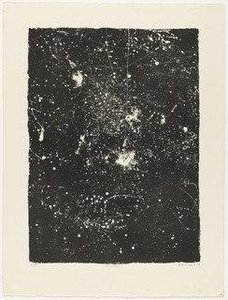
Waiting (Attente)

Dubuffet's 'Waiting (Attente)' is an evocative monochrome print exploring chaos and introspection through dense dots against black, reflecting Expressionist intensity.

Fedezd fel Jean Dubuffet szokatlan, őszinte művészetét! Kísérletezős technikák, 'art brut' mozgalom, és a francia festő egyedi világnya. #Dubuffet #ArtBrut #Művészet

Kézzel készített olajfestmény reprodukció

Kézzel festett olajvastú vászon, az Ön által választott méretben és keretben, művészeink készítik meglévőre. ( Váltás nyomtatványra Áttérés digitális képre)

Standard méret
egyedi
CM
INCH

Válasszon előre meghatározott méreteink közül, amelyek megfelelnek a műalkotás eredeti arányainak.

szélesség
magasság

Ön megadhat saját méreteket egy adott kerethez vagy térhez igazításhoz. Ha a kiválasztott méret nem egyezik az eredeti kép arányával, akkor a műalkotást levágjuk, vagy további kézzel festett elemekkel meghosszabbítjuk a festményt. A gyártás megkezdése előtt küldünk Önnek egy digitális előnézetet jóváhagyásra.
Kérjük, vegye figyelembe, hogy a képernyőn megjelenő előnézet nem tükrözi a tényleges vágást vagy kiterjesztést. Csak az előnézet fog pontosan mutatni a végső kompozíciót.
Bár egyedi méretek állnak rendelkezésre, javasoljuk, hogy válasszon egy méretet az előre meghatározott listából az eredeti arányok megőrzése érdekében.

Példák arra, mit lehet módosítani: az arc kicserélése az ügyfél fotójára; háziállat hozzáadása (pl. macska helyett kutya); rejtett üzenet elhelyezése a háttérben; a háttér tájának vagy elemeinek megváltoztatása.
A rendelést követően a WahooArt.com csapata e-mailt küld az ügyfélnek az instrukciókért, és biztosít egy előnézeti képet (mockup).

Világszerte elérhető szállítás () 3-4 hét alatt a szokásos 5 hét helyett. (23 szeptember). A minőség nem kérdőjelezhető.

why_choose_icon
Ingyenes globális expressz szállítás
why_choose_icon
Prémium minőségű len vászon
why_choose_icon
Teljes körű szállítási biztosítás
why_choose_icon
Vámvisszatérítési Garancia
why_choose_icon
Tökéletes színarányosság garancia
why_choose_icon
100 napos visszaküldési garancia (csak gyártási hibás termékek esetén)
why_choose_icon
100% pénzvisszatérítési garancia
why_choose_icon
Több darab vásárlásakor kedvezmény

Összesített ár

$ 272

reproduction

Waiting (Attente)

Reprodukciós technika

Reprodukció méretei

-

Összesített ár

$ 272

Rövid tények

  • Notable elements or techniques: Dense dots, tonal variations
  • Title: Waiting (Attente)
  • Medium: Woodcut or linocut print
  • Subject or theme: Chaos, darkness, human psyche
  • Artist: Jean-Philippe Arthur Dubuffet
  • Movement: Expressionism
  • Influences: Everyday life

Művészeti kvíz

Minden kérdésre csak egy helyes válasz létezik.

Kérdés 1:
What is the most prominent characteristic of the artwork’s style, suggested by its emotional intensity and focus on subjective experience?
Kérdés 2:
The artwork's technique is primarily what type of printmaking, evident in the deliberate use of dots?
Kérdés 3:
What is a possible symbolic interpretation of the dense black areas within the artwork?
Kérdés 4:
What is the overall impression conveyed by the artwork?

A Glimpse into the Abstract Psyche: Jean Dubuffet's "Waiting (Attente)"

Jean Philippe Arthur Dubuffet’s “Waiting (Attente),” created in 1959, is a striking monochrome print that invites contemplation and evokes a profound sense of unease. This work exemplifies Dubuffet’s pioneering role in the development of *Art Brut*, or "raw art," a movement he himself defined as art produced outside the established academic traditions.

The Technique & Visual Language

This print, likely created using woodcut or linocut techniques, showcases a deliberate and textured aesthetic. The composition is dominated by a large central square filled with dense clusters of small white dots against a stark black background. This interplay of light and dark creates an immediate visual tension. The technique itself is integral to the artwork’s meaning. Dubuffet intentionally embraced the imperfections inherent in printmaking—the unevenness, the slight variations in ink density—to convey a sense of immediacy and authenticity. Notice how lines are implied through the varying density of these dots, suggesting darker regions with thicker concentrations. The overall effect is not one of precise representation but rather an exploration of texture and tonal relationships.

Symbolism & Interpretation

“Waiting (Attente)” transcends mere visual appeal; it delves into deeper psychological territory. The artwork’s symbolism remains open to interpretation, which is characteristic of Dubuffet's approach. The dense black area can be seen as representing the hidden depths of the human psyche—emotions suppressed or complexities unexplored. Conversely, the scattered white dots might symbolize fleeting moments of clarity, awareness, or even hope amidst a prevailing sense of darkness and uncertainty. The title itself, "Waiting," suggests a state of anticipation, perhaps for something unknown or inevitable. This ambiguity is key to the work’s enduring power.

Historical Context & Art Brut

Dubuffet created “Waiting (Attente)” during a period of significant artistic experimentation in post-war Europe. Rejecting traditional notions of beauty and skill, he sought inspiration from sources outside the art world—children’s drawings, folk art, and even graffiti. *Art Brut* aimed to capture an unfiltered expression of human experience, free from intellectual or academic constraints. Dubuffet's work challenged the established norms of the art world, paving the way for new forms of abstract expressionism and influencing subsequent generations of artists. His embrace of unconventional materials and techniques reflected a broader cultural shift towards authenticity and raw emotion.

Emotional Impact & Decorative Potential

“Waiting (Attente)” is not an artwork that offers easy answers or comforting resolutions. Instead, it evokes a feeling of unease, contemplation, and mystery. The stark contrast between light and dark, combined with the textured surface, creates a visually arresting experience that lingers in the mind. Despite its abstract nature, this print possesses remarkable decorative potential. Its monochrome palette lends itself to a variety of interior design schemes—from minimalist modern spaces to more eclectic environments seeking a touch of dramatic intensity. A reproduction of "Waiting (Attente)" can serve as a powerful focal point, sparking conversation and adding depth to any space.


A művész életrajza

Jean Dubuffet: A Rebel of the Canvas

Jean Philippe Arthur Dubuffet, a name synonymous with raw emotion and revolutionary artistic practice, emerged from the vibrant cultural landscape of early 20th-century France. Born in Le Havre on July 31st, 1901, into a family of successful wine merchants – a lineage that would subtly influence his later work – Dubuffet’s life was marked by an initial rejection of conventional artistic training and a relentless pursuit of authenticity. His early years were shaped by the bohemian atmosphere of Paris, where he encountered influential figures like Juan Gris, André Masson, and Fernand Léger, all members of the prestigious Académie Julian. However, disillusioned with the rigid structure of academic art, Dubuffet swiftly departed, embarking on an independent journey fueled by a profound dissatisfaction with established artistic norms. This departure wasn’t merely stylistic; it represented a fundamental rejection of societal expectations and a yearning for a more direct, visceral connection to creative expression.

The Genesis of Art Brut

Dubuffet's artistic trajectory took a decisive turn in 1942 with the founding of “Art Brut,” a term he coined himself to describe a unique form of art that existed outside the confines of traditional galleries and institutions. Inspired by the drawings of children, the graffiti of Parisian streets, and the works produced by mentally ill patients – all considered ‘low’ or ‘primitive’ forms of expression – Dubuffet sought to elevate these overlooked creations to the status of genuine artistic merit. He believed that true art resided not in polished technique or adherence to academic rules, but in unfiltered emotion, spontaneous gesture, and a rejection of artificiality. This philosophy extended beyond his own work; he actively collected “Art Brut” pieces, creating a vast and influential collection that served as both inspiration and documentation for his movement. The concept of Art Brut wasn’t simply about embracing the unconventional; it was a deliberate critique of the art establishment and its tendency to privilege certain forms of artistic expression over others.

Technique and Materials: A Dialogue with the Unseen

Dubuffet's artistic process was as radical as his philosophical stance. He eschewed traditional painting techniques, favoring instead a visceral approach that involved layering materials such as mud, sand, coal dust, and even burlap onto the canvas. His signature technique, “hautes pâtes” (thick impastoes), created textured surfaces that seemed to pulsate with raw energy. Influenced by Jean Fautrier’s expressive use of mixed media, Dubuffet employed a palette dominated by earthy tones – ochres, browns, and grays – reflecting his fascination with the natural world and its inherent imperfections. He often worked directly on the canvas, applying paint with his hands or using unconventional tools, creating works that were both physically imposing and emotionally charged. This tactile approach wasn’t merely about adding texture; it was a deliberate attempt to break down the barrier between the artist and the material, forging a direct connection through physical engagement.

International Recognition and Legacy

Dubuffet's work gained significant recognition in America during the 1960s, largely thanks to the efforts of Pierre Matisse, a prominent dealer and art critic. His exhibitions at Galerie René Drouin in Paris and later at prestigious galleries like the Guggenheim Museum in New York cemented his position as a leading figure in post-war European art. He became associated with movements such as Informel (Informalism), though he resisted being neatly categorized within any single label. Dubuffet’s legacy extends far beyond his own lifetime, profoundly influencing generations of artists who embraced spontaneity, experimentation, and a rejection of conventional artistic values. His pioneering role in the “Art Brut” movement continues to inspire artists worldwide, reminding us that true art can be found in the most unexpected places – in the raw, unfiltered expressions of human experience. He died on May 12th, 1985, leaving behind a body of work that remains both challenging and deeply rewarding.

Key Dates

  • July 31, 1901: Born in Le Havre, France
  • May 12, 1985: Died in Paris, France

Notable Art Movement

  • Art Brut
jean philippe arthur dubuffet

jean philippe arthur dubuffet

1901 - 1985 , Franciaország

Gyors információk

  • Artistic Movement Or Style: École de Paris, Art Brut
  • Artists Or Movements Influenced By This Artist: ['Jean fautrier']
  • Artists Who Influenced This Artist:
    • Juan Gris
    • André Masson
    • Fernand Léger
  • Date Of Birth: 1901. 31. július
  • Full Name: Jean Philippe Arthur Dubuffet
  • Nationality: Francia
  • Notable Artworks:
    • Weaver's vision
    • Comings and goings
    • Scenic triplex
  • Place Of Birth: Le Havre, Franciaország