Értékesítés
x
MegtekintésMegtekintés Műalkotás AR előnézeteMűalkotás AR előnézete Nyomat rendelése Nyomat rendeléseKézzel festett másolat rendelése Kézzel festett másolat rendelése KüldésKüldés
RészletekRészletek Kedvencekhez ad Kedvencekhez ad LetöltésLetöltés Hasonló darabokHasonló darabok X-ray felvételX-ray felvétel DiavetítésDiavetítés

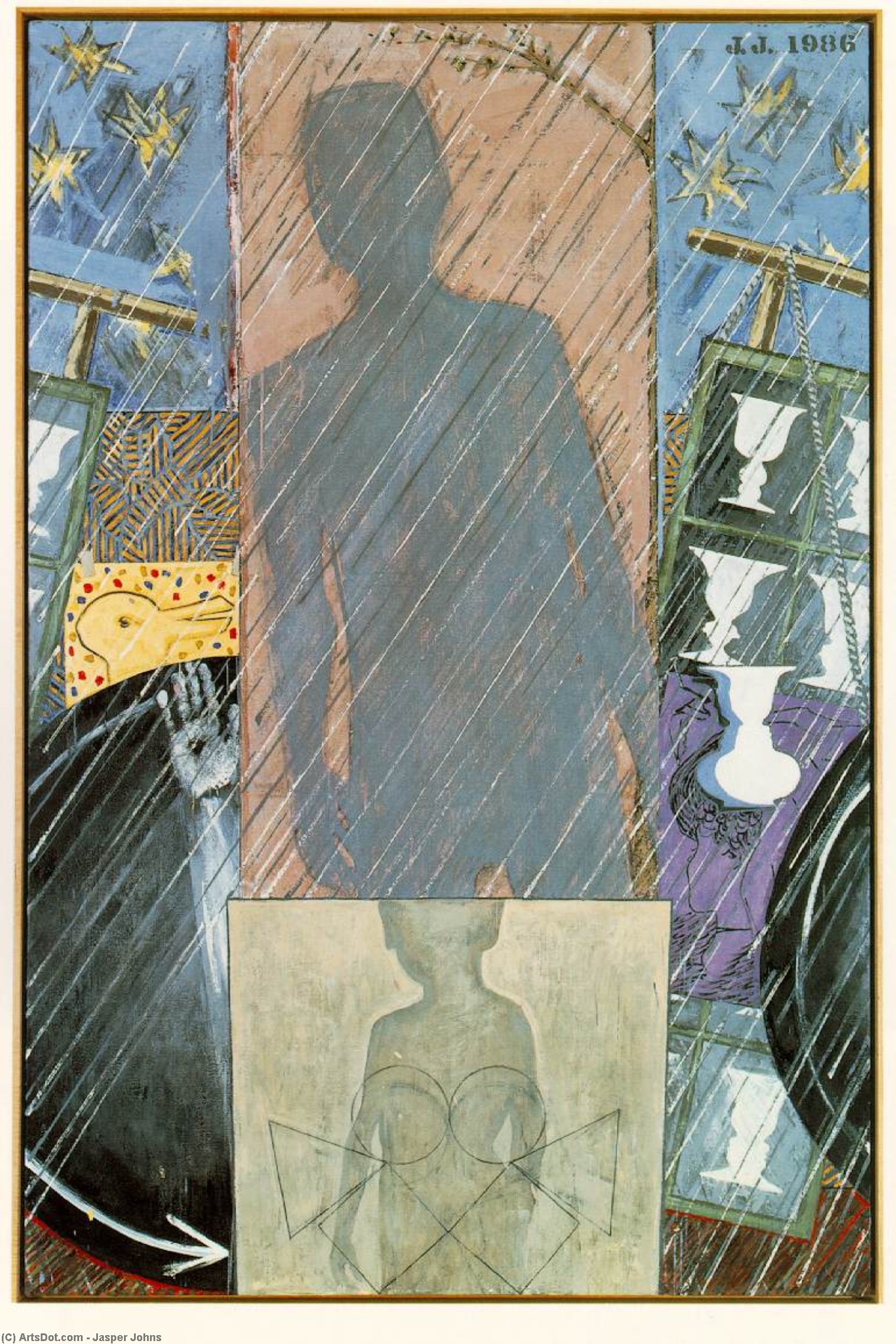
Spring

Jasper Johns (b. 1930), a pioneer of Pop & Abstract Expressionism! Explore iconic works like 'Flag,' maps, & targets – redefining modern art.

Fedezze fel Jaspert Johnsont (1930), a Pop & absztrakt ekspreszionista úttörőt! Kézzel festett ikonok, zászlók, térképek és céljelzők – újragondolva a modern művészetet.

Vásároljon nagy felbontású, javított digitális képet, amely minőségében messze felülmúlja az online előnézetet.

Minden fájlt szakembereink a legmodernebb eszközök és precíz, kézi retusálás segítségével készítenek el aprólékosan. Gondoskodunk arról, hogy minden kép kivételes tisztasággal, pontos színhelyességgel és részletgazdag finomsággal rendelkezzen.

A végleges fájl 72 órán belül e-mailben megérkezik, professzionális, szerkesztői és nyomtatási környezetbe optimalizálva az azonnali használathoz. Ez ugyanaz a minőség, amelyben a legmeghatározóbb tervezőstúdiók, kiadók és galériák is megbízhatnak.

Digitális kép

Töltsön le nagy felbontású fájlt személyes kiállításokhoz, nyomtatáshoz és kreatív projektekhez. (Nyomat rendelése Nyomat rendeléseKézzel festett másolat rendelése Kézzel festett másolat rendelése)

Összesített ár

$ 24,90

Minden digitális kép rendeléséhez tartozó extrák

Szakértői digitális kézbesítés, garantáltan

Amikor a WahooArt.com szolgáltatást választja, nem csupán egy képet kap – professzionálisan felmagasított digitális műalkotást kap, amely precizitással készült, és amelyet megelégsedési gwarancia tesz biztoslássá. Az alábbiakban automatikusan minden benne 】

shipping_icon
Gyors e-mail teslimítés

A nagy felbontású digitális képmásolatát a megrendelést követő 72 órán belül e-mailben elküldjük Önnek – azonnal használható formátumban.

canvas_icon
MI-alapú digitális fejlesztésű fájl

Műve professzionális módon kerül optimalizálásra fejlett mesterséges intelligencia eszközök és manuális szerkesztés segítségével, biztosítva a maximális részletességet, tisztaságot és színpontosságot.

insurance_icon
Örök életű ingyenes újradelivery

Véletlenül törölted vagy elvesztetted a fájlodat? Ne aggódj – bármikor ingyen újra megküldjük neked.

tax_icon
Nincs importköltség – soha

Élvezze műalkotásait azonnal, vám, illeték vagy szállítási költség nélkül – a digitális letöltések mindig adamentesek.

color_icon
Színpontosság garantálása

Professzionális eszközök és színkezelés segítségével garantáljuk, hogy digitális képe a lehető legpontosabban tükrözze az eredeti színeket.

return_icon
60 napos elégedettségi garancia

Ha nemມີ elégedett a digitális képpel, 60 napon belül átmunkáljuk azt, vagy 100% visszatérítjük az amountot – kérdés nélkül.

guarantee_icon
100% Pénzvisszatérítési garancia

Nem érheted el a teljes elégedettséget? 60 napon belül teljes visszatérítést kapsz a digitális fájlod megérkezése után – kérdés nélkül.

discount_icon
Tömegrendelési kedvezmények

Vásároljon 3 képet, spóroljon 10%-et - Vásároljon 5-öt, spóroljon 15%-et - Vásároljon 10+ képet, spóroljon 20%-at. Kiváló kreatív projektekhez, galériákhoz és ügynökségekhez.

Gyors információk

  • Medium: Painting
  • Artist: Jasper Johns
  • Movement: Pop Art
  • Influences: Abstract Expressionism
  • Title: Spring
  • Notable elements or techniques: Targets, Maps

Művészeti kvíz

Minden kérdésre csak egy helyes válasz létezik.

Kérdés 1:
What artistic movement is Jasper Johns primarily associated with?
Kérdés 2:
The painting depicts a man standing in the rain. What is notable about his posture?
Kérdés 3:
Besides the man in the rain, what other objects are present in the scene?
Kérdés 4:
What is the significance of the clock on the left side of the painting?
Kérdés 5:
How would you describe the overall mood conveyed by this artwork?

A gyűjtemény részletei

A Poetic Encounter with Solitude

In this evocative painting, we find ourselves immersed in a moment of profound atmospheric stillness. The composition centers on a solitary figure, a man seen from behind, standing amidst the gentle descent of rain. Clad in the formal attire of a suit and tie, his posture suggests a quiet introspection, as if he is momentarily suspended between the world around him and his own internal reflections. This sense of isolation is heightened by the soft, painterly rendering of the elements, where the texture of the falling rain blurs the boundaries between the subject and his environment. The presence of other figures in the background, though less distinct, creates a subtle tension—a reminder of the bustling social world that continues to move, even as our protagonist finds himself anchored in a private, melancholic sanctuary.

The scene is further enriched by a curious collection of objects that punctuate the landscape like fragments of a dream. A clock rests on the left, its presence hinting at the relentless passage of time, while a vase and scattered bowls introduce a domestic, almost still-life quality to the outdoor setting. These elements—the cup tucked into the corner, the rhythmic placement of vessels—transform a simple rainy day into a complex narrative about the objects we inhabit and the memories they hold. For the discerning collector or interior designer, this piece offers more than mere decoration; it provides a window into a contemplative state of being, making it an ideal centerpiece for spaces dedicated to thought, peace, and quiet elegance.

The Intersection of Symbolism and Atmosphere

Beyond its immediate visual charm, the artwork functions as a sophisticated commentary on visibility and perception. The technique employed here leans into a soft-focus realism, where light and shadow dance across the surfaces of the rain-slicked objects, creating a luminous yet somber mood. By placing familiar, everyday items—a cup, a bowl, a clock—within this atmospheric context, the artist invites us to reconsider the sanctity of the mundane. There is a profound emotional weight in the way the man’s back is turned to the viewer; it creates an invitation to empathize with his unseen experience, drawing the observer into a shared moment of vulnerability and strength.

This painting serves as a masterful bridge between classical storytelling and modern emotional abstraction. It captures the essence of a fleeting moment, freezing the ephemeral nature of rain and solitude into a permanent, tactile experience. For those looking to infuse a room with depth and narrative complexity, this reproduction offers an unparalleled opportunity to engage with art that speaks to the universal human experience of finding oneself within the crowd, yet remaining beautifully, resolutely alone.


A művész életrajza

A Life Painted in Symbols: The World of Jasper Johns

Jasper Johns emerged as a pivotal figure in the landscape of American art, bridging the emotive intensity of Abstract Expressionism with the burgeoning Pop Art movement that would soon redefine artistic boundaries. Born in Augusta, Georgia, in 1930, his early life was marked by a sense of displacement following his parents’ divorce, an experience that perhaps subtly informed his later explorations of identity and belonging within the context of American iconography. His formative years unfolded across various schools before he briefly attended the University of South Carolina, but it wasn't until his move to New York City in 1949 that Johns truly began to forge his artistic path. A period of service during the Korean War further shaped his perspective, exposing him to a world far removed from the burgeoning art scene he was eager to embrace upon his return.

Breaking with Abstraction: The Dawn of a New Visual Language

The post-war American art world was dominated by Abstract Expressionism—a style characterized by spontaneous gesture and deeply personal emotional expression. While initially influenced by this movement, Johns felt compelled to move beyond its purely non-representational approach. He sought a new visual language, one that incorporated recognizable imagery not as illustrations but as vehicles for deeper contemplation. This wasn’t simply about *depicting* the world; it was about questioning how we perceive and interpret symbols within it. Key influences guided his departure: Marcel Duchamp's radical readymades challenged conventional notions of art-making, demonstrating that ordinary objects could be elevated to the status of art through their presentation, while the emphasis on materiality in Abstract Expressionism informed Johns’ early techniques. However, it was the everyday objects and potent symbols of American culture—flags, targets, maps, numbers—that truly became central to his artistic vocabulary. He wasn’t interested in escaping representation; he wanted to dissect it, layer it with meaning, and ultimately reveal its inherent ambiguities. The influence of Robert Rauschenberg, a fellow artist and close friend, was also crucial during this period, fostering a collaborative spirit and pushing the boundaries of artistic experimentation.

Iconic Images: Flags, Targets, and the Language of Symbols

Johns’ breakthrough works arrived in the mid-1950s, instantly establishing him as a force to be reckoned with. His paintings of flags, most notably *Flag* (1954–55), were not patriotic declarations but rather investigations into the very nature of representation. Rendered in a semi-abstract style, using encaustic—pigment mixed with hot wax—and collage techniques, these flags weren’t simply images; they were textured surfaces laden with symbolic weight. The *Flag* series wasn't just about the American flag; it was about the act of painting itself, the materiality of the canvas, and the relationship between image and reality. The target series, beginning in 1958, further explored this fascination with recognizable forms, questioning perception and meaning through the seemingly straightforward image of a bullseye. *Map* (1961), with its fragmented and layered depictions of the United States, delved into themes of geography, identity, and the complexities of national representation. Works like *False Start* (1959) demonstrated his experimentation with language and visual codes, creating complex compositions that challenged viewers to decipher their underlying meanings. Even *White Flag* (1955), a seemingly simple monochrome canvas, prompted profound questions about absence, surrender, and the very act of seeing. Johns often incorporated elements of chance and accident into his process, embracing the unpredictable nature of creation and allowing the materials themselves to contribute to the final outcome.

A Legacy of Influence: Paving the Way for Pop Art and Beyond

Jasper Johns’ impact on the trajectory of modern art is undeniable. He played a crucial role in the transition from Abstract Expressionism to Pop Art, challenging the prevailing aesthetic norms and opening up new avenues for artistic exploration. By embracing recognizable imagery, he paved the way for artists like Andy Warhol and Roy Lichtenstein, who would further blur the lines between high art and popular culture. His close collaboration with Robert Rauschenberg was also profoundly influential, fostering a spirit of experimentation and pushing the boundaries of artistic practice. Johns’ work continues to resonate today, inspiring generations of artists to question assumptions, challenge conventions, and explore the power of symbols in shaping our understanding of the world. He remains an active artist, constantly evolving his approach and solidifying his position as one of the most important figures in 20th and 21st-century art.

Recognition and Enduring Impact

Throughout his illustrious career, Jasper Johns has received numerous accolades, including a Golden Lion at the Venice Biennale in 1988, the National Medal of Arts in 1990, and the Presidential Medal of Freedom in 2011. His works are held in major museum collections worldwide—the Museum of Modern Art, the Whitney Museum of American Art, the Metropolitan Museum of Art in New York, and Tate Modern in London, to name just a few. He has been the subject of countless exhibitions, cementing his status as a master of modern art. Beyond his paintings, Johns’ contributions extend to sculpture and printmaking, demonstrating his versatility and unwavering commitment to artistic innovation. His enduring legacy lies not only in the iconic images he created but also in the profound questions he raised about the nature of representation, symbolism, and the very essence of what it means to be an artist in a rapidly changing world.
Jasper Johns

Jasper Johns

1930 - , Egyesült Államok

Érdekességek

  • Artistic Movement Or Style: Pop Art, Ekspreszionizmus
  • Artists Or Movements Influenced By This Artist:
    • Warhol
    • Lichtenstein
  • Artists Who Influenced This Artist: ['Duchamp']
  • Date Of Birth: 1930. május 15.
  • Full Name: Jasper Johns
  • Nationality: Amerikai
  • Notable Artworks:
    • Flag
    • Target
    • Map
  • Place Of Birth: Augusta, USA