A művész életrajza
Jan August Hendrik Leys: A flamlandikus vízió, amely összekötte a romantikát és a realizmust
Jan August Hendrik Leys (1815. február 18. – 1869. augusztus 26.) belgiai festő és grafikikus volt, aki a belga művészet történelmi vagy romantikus iskolájának egyik meghatározó képviselője, valamint a realista mozgalom úttörője. Történeti és műtermi festményei, valamint portrétjai európai hírnevet hoztak neki, stílusa pedig hatással volt a Belgiumon belüli és kívüli művészekre is.
Leys Antwerpenben született, Hendrik-Jozef-Martinus Leys és Maria-Theresia Craen fijaként. Apja nyomdai vállalkozást vezetett, amely vallási képeket készített régi rézplatek alapján. Henry Leys nem volt különösebben kedvelő a tanulmány terhadap, de a rajzolás iránt rendkizsung szenvedélye már korán jelezte magát. Szülei támogatták ezt a hajlamát, és lehetővé tették számára, hogy a szomszédjukban élő bútorfestő mellett tanuljon.
Művészeti képzését az antwerpeni Képzőművészeti Akadémián kezdte, ahol az antik modelleket tanulmányozta, majd 1832 és 1833 között az élő modell alapján rajzolni tanult. Ezen időszak alatt Leys olyan művészek hatásait magába is fogta, mint Eugène Delacroix és Franz Hals, ezzel megteremtve alapját egyed Muláns stílusának. Gyorsan elnyerte elismerését, köszönhetően képességének, amellyel lenyűgöző pontossággal képes volt átadni az érzelmeket és a hangulatot.
Művészeti pályája Brugében virágzott fel, ahol elismert tanárként és mentorként vált ismertté. Alapította a Brugai Rajztanfolyamot, ahol fiatal tehetségeket nevelt és innovatív festési megközelítéseket terjesztett. Hallgatói között olyan neves művészek voltak, mint Henri De Braekeleer és Mattheus Ignatius van Bree, akik később maguk is meghatározó művészek 되었, ezzel is bizonyítva Leys tartós örökségét a belgiai művészoktatásban.
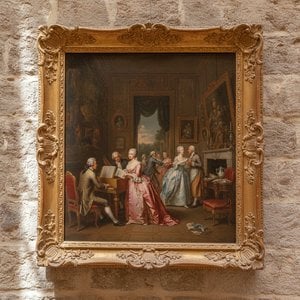
Művészetének összképe rendkívül sokszínű: történelmi narratíváktól és portréktól kezdve a tájakon és műtermi jeleneteken át terjed, melyek mindegyike a romantikus idealizmus és a realista megfigyelés finom egyensúlyát tükrözi. Festményeit ragyogó színpaletták, aprólék részletgazdag kidolgozás és kifejező ecsettartás jellemzi, amely egyszerre közvetíti a pszichológiai mélységet és a vizuális pompát. Legfontosabb alkotásai közé tartozik a „Frans Floris megyék Szent Lukács ünnekre” (1840) és a „Boschi Di Stefano Múzeum”, amelyek mesteri technikai tudását és művészeti vízióját példázzzák.
Leys hozzájárulása a belgiai művészettörténethez túlmutat egyéni alkotásain: egy olyan új esztétikát képviselt, amely az érzelmi rezonancia mellett a pontos ábrázolást is prioritálta – ez a különbségtétel előре긋elte a fejlődő realista mozgalmat. Hatása jól látható a belgiai művészek későbbi generációinak munkáiban is, megerényesítve helyét 19. századi európai művészeti táj formálásának kulcsfontosságú alakjaként. Ötvennéves korában, Antwerpenben hunyt el idő előtt, hagyva magára lenyűgöző életművet, amely ma is felkeltést és tudományos kutatást vált ki a nézőkből.
Főbb hatások és művészeti stílus
Leys művészeti stílusa mélyen meghatározott néhány kulcsfontosságú hatástól – elsősorban olyan romantikus festőktől, mint Eugène Delacroix és Franz Hals –, amelyeket készségesen ötvözött a precíz realista megfigyeléssel. Felvette Delacroix vászonainak kifejező dinamizmusát, megragadván a drámai pillanatokat, és átadva az intenzív érzelmeket vibráló színekkel és széles mozdulatokkal végzett ecsettartással. Ezzel egy időben Hals mesteri portréitól is merített inspirációt, hangsúlyozva az anatómiai pontosságot és a pszichológiai betekintést, hogy alanyait figyelemre méltó realizmusmal ábrázolja.
Technikája magában foglalta a vékony glazúrok rétegezését texturált felületekre – egy módszert, amelyet a flamland mesterektől vett át –, hogy fényes hatásokat érjen el, és a fény és árnyék finom árnyalatait közvetítse. Aprékán tanulmányozta az emberi formát, alakokat anatómiai pontossággal ábrázolva, miközben egyszerre fogta meg belső életüket kifejező gesztusok és arckifejezések révén. Ecsettartása jellemzője volt a laza, impasto vonalaknak, amelyek érezhető textúrát és mozgást teremtettek – egy olyan stilisztikai jelleg, amely megkülönböztette őt a kifinomultabb akadémikus festőktől.
Művészeti víziója a rendíthetetlen meggyőződéssel történő érzelmek és hangulat közvetítésére összpontosult – egy elvet, amelyet úgy fogalmazott meg: „a festőnek törekednie kell arra, hogy kifejezze, amit lát”. Úgy hitt, hogy a művészetnek eszközként kell szolgálnia az emberi tapasztalat lényegének megörökítéséhez, tükrözve annak szépségét és bánódját egyaránt. Ez az érzelmi hitesség iránti elkötelezettség áradt át egész életművéből, meghatározva kompozíciós döntéseit, színharmóniáit és ecsettechnikai megoldásait.
Legkiemelkedőbb alkotások és művészeti eredmények
Leys lenyűgöző festménysort állított létre – történelmi narratíváktól a portrékon, tájakon át a műtermi jelenetekig –, amelyek mindegyike kiemelkedő művészi készségét és stilisztikai sokszínűségét bizonyítja. Legünnepeltebb alkotásai közé tartozik a „Frans Floris megyék Szent Lukács ünnekre” (1840), egy monumentális ábrázolása egy középkori vallási felvonulásnak, amely mesteri színhasználatát és kompozícióját mutatja be; valamint a „Boschi Di Stefano Múzeum”, amely Leys aprólék részletgazdag figyelmét és a légköti fény megörökítésének képességét mutatja – egy technikát, amelyet flamland tájak széles körű tanulmányozása során fejlesztett ki.
Továbbá, Leys portréi rendkívüli érzékenységgel fogták meg alanyaik pszichológiai összetettségét, feltárva belső gondolataikat és érzelmeiket finom gesztusok és arckifejezések révén. A különböző társadalmi rétegből származó egyének – aristokraták, clergymanok, kereskedők és kézművesek – ábrázolása művészi tudását mutatta be a stilisztikai megkövethetőség széles skáláján.
Leys öröksége túlmutat egyéni alkotásain; alapította a Brugai Rajztanfolyamot, elősegítve a művészeti innovációt és gondozva a fiatal tehetségeket – ami tanúbizonyság az oktatóként és mentorként végzett munkájára. Hatása jól felismerhető a belgiai művészek későbbi generációinak munkáiban is, akik felvették őt felindító esztétikáját, megerősítve helyét 19. századi európai művészeti táj formálásának kulcsfontosságú alakjaként.
Történelmi jelentőség és örökség
Leys hozzájárulása a belgiai művészettörténethez nem csupán stilisztikai innovációt jelent; egy olyan új esztétikát képviselt, amely az érzelmi rezonancia mellett a pontos ábrázolást is prioritálta – ez a különbségtétel előrejelzte a fejlődő realista mozgalmat. Az emberi tapasztalat lényegének megörökítés iránti törekvése – tükrözve annak szépségét és bánódját egyaránt – kihívta az érvényes művészeti konvenciókat, és utat nyitott az emberi állapot pszichológiailag árnyaltabb ábrázolásának.
Leys hatása jól látható arra vonatkozó művészek munkáiban, akik őt követték – különösen a Hágai Iskolához kapcsolódó alkotók körében, akik felvették stilisztikai elveit és hasonló elkötelezettséget mutattak a légköti megfigyelés iránt. Öröksége ma is felkelti az csodálatot és a tudományos kutatást, megerősítve helyét mint meghatározó alak az 19. századi európai művészet formálásában. Leys tartós víziója – amely úgy fogalmazódott meg, hogy „a festőnek törekednie kell arra, hogy kifejezze, amit lát” – ma is releváns marad, arra buzdítva a művészeket, hogy törekedjenek az autentikusságra és a kreatív felfedezésre rendíthetetlen meggyőződéssel.



 Előnézet
 Kézzel festett másolat vásárlása
 Megosztás
 Megosztás
 Részletek
 Útmutató

 Letöltés
 Hasonló darabok
 X-ray felvétel
 Diavetítés
 Statisztika


 Tovább olvasom






































 Az üvegkeretes opció csak 110 cm alatti méretben érhető el