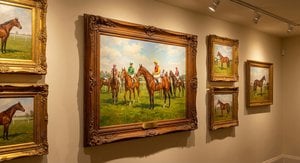
James Ward: A British Painter of Light and Wildness
James Ward (1769-1859) volt egy kiemelkedő angol festő, akinek lenyűgöző állatfestményei, romantikus tájképe és mélyeszthető portréi jelentettek forradalmi áttörést a 19. századi brit művészetben. Bár gyakran árnyékba helyezték kortársait, egyedi stílusa és képessége jelentős hatással volt az angol művészeti fejlődésére. Ward festészete nem csupán a tájképek szépségét és a természet erőit ábrázolja, hanem a fény és árnyék játékát, a színek dinamikus kombinációját, valamint a figurák életre keltését is.
Korai Élet és Művészi Nevelés
James Ward 1769. október 23-án született Londonban, az Egyesült Királyságban, William Ward, egy graffertész bátyja testvére. Korai művészi hajnalait a kreatív családi környezetben töltötte, ahol a rajzolás és a festés alapjait elsajátította. Bár formális képzést kapott, fejlődését elsősorban a megfigyelés és a gyakorlati munka vezérelte.
Művészi Fejlődés és Válságforrások
Ward művészete két főszakaszra bontható befolyás szempontjából. Kezdetben, 1803-ig terjedően munkáit George Morland stílusának erőteljesen emelkedtek, melyek a mindennapi élet jeleneteként és a tájak egyszerű szépségével foglalkoztak. Ezután azonban nagyban inspirálódott Peter Paul Rubensen Barroque mester műveiben, ami dinamikusabb kompozíciókat, gazdag színpalettát és drámai fény-árnyék játékot eredményezett.
Bemerkézett Művek és Stílusa
Ward egyedi stílusa azonnal elkülönítette őt a kortársaitól. Kiválóan járt el különböző műfonalokban, beleértve a történelmi festészetet, portréfestést, tájképezést és állatfestést is. Legismertebb alkotásai:
- Gordale Scar (1814/15): Ez a darab, mely egy yorkshire-i szurduba mutat, Ward legkiemelkedőbb műve, és a brit romantika jellegzetes vonásait tükrözi.
- The Deer Stealer (1823): A Theophilus Levett által megbízott festmény, mely a történetmesélés és az állatfigurák precíz ábrázolását mutatja be.
- John Levett Hunting at Wychnor, Staffordshire (1817): Egy portré, mely megörökíti egy mecénás, Levett családjának tagját, és a festő képességét a megjelenés és az atmoszféra ábrázolására emeli.
Festményei a részletosságra való odafigyeléssel, különösen az állatok ábrázolásában, valamint a romantikus érzékkel, mely a természet szépségét és erejét hangsúlyozza.
Mecénások és Kiállítások
Ward számos mecénással dolgozott együtt, mint például Theophilus Levett, ami számos megrendeléshez vezetett. Rendszeresen kiállította munkáit a Royal Academy-ban, ahol elnyerte elismerést képessége és eredetiségéért. Tagja lett 1811-ben, ami megerősítette helyét az angol művészeti központokban.
Későbbi Élet és Örökség
Ward továbbra is festett szorgalmasan egészen 1855-ös haláláig, amikor egy agyvérzés megállította a pályáját. Halála 1859. november 17-én történt Hertfordshireben, bár korábban gazdasági nehézségekkel küzdött.
Bár későbbi élete anyagi nehézségeket jelentett, James Ward hatása az angol művészetre vitathatatlan. Egyedi keverése a realisztikus és romantikus elemek között megnyitotta az utat a jövő generációk számára állatfestőknek és tájképző festőknek. Művei ma a Tate Britain és a Yale Center for British Art gyűjteményeiben tekinthetők meg.
Történelmi Fontosság
James Ward fontos szerepet töltött be az angol művészet átmenetében, mely a neoklasszikizmusból a romantika korába vezetett. Megszilárdította a hagyományos műfonalak és a növekvő érdeklődést a tájképek iránt, és egyedülálló örökséget hagyva maga után, amely továbbra is inspirálja a művészeket.



 Előnézet
 Kézzel festett másolat vásárlása
 Megosztás
 Megosztás
 Részletek
 Útmutató

 Letöltés
 Hasonló darabok
 X-ray felvétel
 Diavetítés
 Statisztika


 Tovább olvasom






































 Az üvegkeretes opció csak 110 cm alatti méretben érhető el