Előnézet AR előnézet Váltás nyomtatványra Áttérés digitális képre Megosztás
Részletek Útmutató Kedvencekhez ad Letöltés Hasonló darabok X-ray felvétel Diavetítés Statisztika

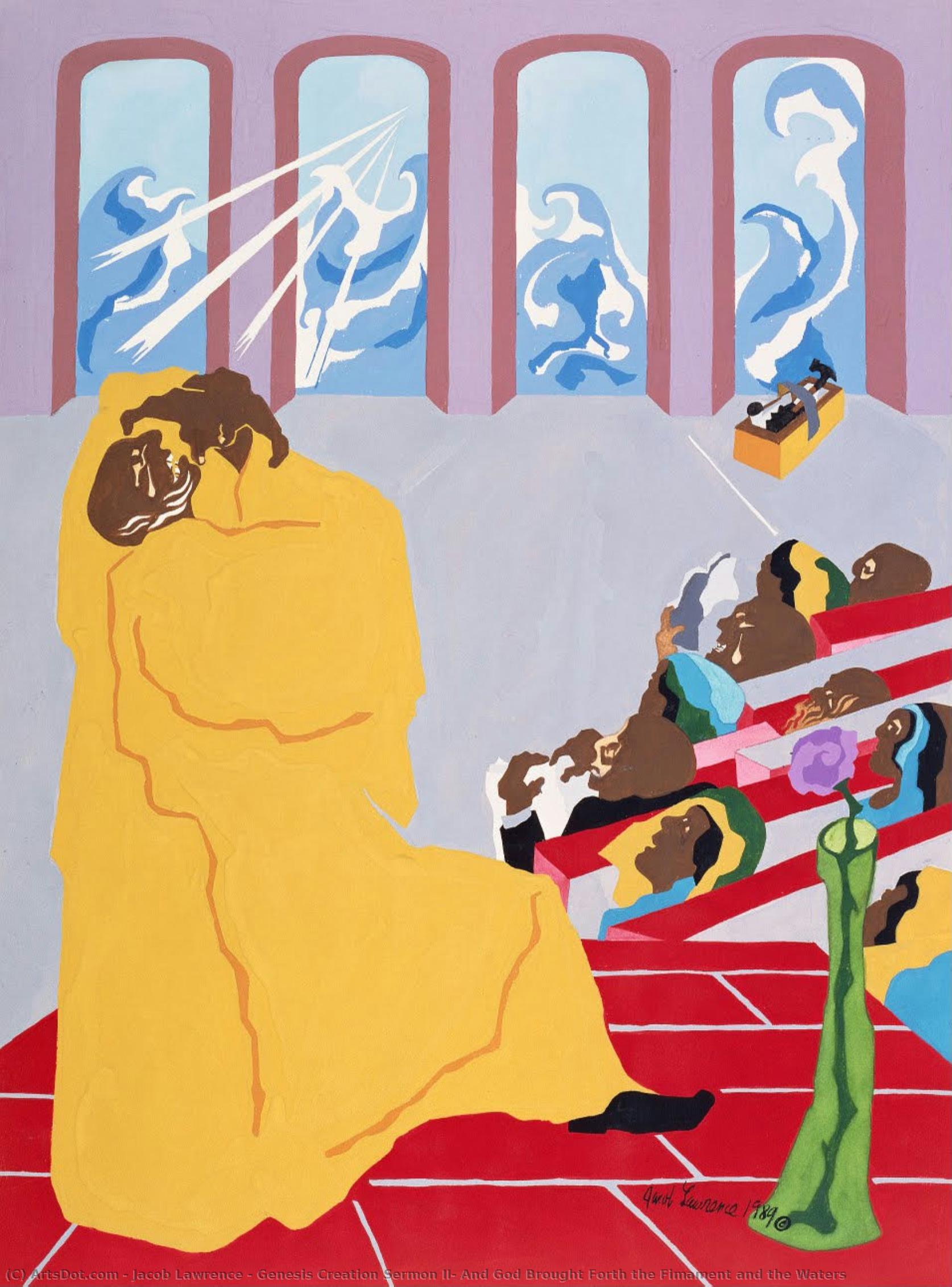
Genesis Creation Sermon II: And God Brought Forth the Fimament and the Waters

Explore Jacob Lawrence’s ‘Genesis Creation Sermon II.’ A vibrant, Expressionist masterpiece depicting biblical creation through a unique Harlem lens. Discover its dynamic style & historical significance.

"HungarianMetaDescription": "Jacob Lawrence (1917-2000) amerikai festő, a Harlem Renaissance egyik legjelentősebb alakja. A 'Dynamic Cubism'-jegyzetű stílusával és a fekete amerikai élet, történelem, társadalmi igazságosság ábrázolásával alkotott, különösen a 'Migration Series' sorozattal."

Kézzel készített olajfestmény reprodukció

Kézzel festett olajvastú vászon, az Ön által választott méretben és keretben, művészeink készítik meglévőre. ( Váltás nyomtatványra Áttérés digitális képre)

P118B $10
P118H $10
P118W $10
P438Z $10
P508JH $12
P508YH $12
P805H $10
P805Z $10
P919BZ $10
P919G $10
P919XJ $10
P959ZH $10
P968JZ $12
W106C $8
W218G $10
W218JH $8
W218Y $10
W307PJ $10
W316G $10
W316PJ $8
W316Y $10
W398PJ $8
W4111J $10
W500HY $15
W500JH $15
W692G $12
W849H $8
W940BG $15
W953PJ $8

Standard méret
egyedi
CM
INCH

Válasszon előre meghatározott méreteink közül, amelyek megfelelnek a műalkotás eredeti arányainak.

szélesség
magasság

Ön megadhat saját méreteket egy adott kerethez vagy térhez igazításhoz. Ha a kiválasztott méret nem egyezik az eredeti kép arányával, akkor a műalkotást levágjuk, vagy további kézzel festett elemekkel meghosszabbítjuk a festményt. A gyártás megkezdése előtt küldünk Önnek egy digitális előnézetet jóváhagyásra.
Kérjük, vegye figyelembe, hogy a képernyőn megjelenő előnézet nem tükrözi a tényleges vágást vagy kiterjesztést. Csak az előnézet fog pontosan mutatni a végső kompozíciót.
Bár egyedi méretek állnak rendelkezésre, javasoljuk, hogy válasszon egy méretet az előre meghatározott listából az eredeti arányok megőrzése érdekében.

Példák arra, mit lehet módosítani: az arc kicserélése az ügyfél fotójára; háziállat hozzáadása (pl. macska helyett kutya); rejtett üzenet elhelyezése a háttérben; a háttér tájának vagy elemeinek megváltoztatása.
A rendelést követően a WahooArt.com csapata e-mailt küld az ügyfélnek az instrukciókért, és biztosít egy előnézeti képet (mockup).

Világszerte elérhető szállítás () 3-4 hét alatt a szokásos 5 hét helyett. (24 szeptember). A minőség nem kérdőjelezhető.

why_choose_icon
Ingyenes globális expressz szállítás
why_choose_icon
Prémium minőségű len vászon
why_choose_icon
Teljes körű szállítási biztosítás
why_choose_icon
Vámvisszatérítési Garancia
why_choose_icon
Tökéletes színarányosság garancia
why_choose_icon
100 napos visszaküldési garancia (csak gyártási hibás termékek esetén)
why_choose_icon
100% pénzvisszatérítési garancia
why_choose_icon
Több darab vásárlásakor kedvezmény

Összesített ár

$ 297

reproduction

Genesis Creation Sermon II: And God Brought Forth the Fimament and the Waters

Reprodukciós technika

Reprodukció méretei

-

Összesített ár

$ 297

Rövid tények

  • Artist: Jacob Lawrence
  • Year: 1989
  • Influences:
    • Biblical texts
    • Harlem Renaissance
  • Subject or theme: Biblical creation narrative
  • Movement: American Art
  • Artistic style: Expressionism

Művészeti kvíz

Minden kérdésre csak egy helyes válasz létezik.

Kérdés 1:
What biblical event is the artwork 'Genesis Creation Sermon II: And God Brought Forth the Fimament and the Waters' based on?
Kérdés 2:
What artistic style is noted for influencing Jacob Lawrence's depiction in this series?
Kérdés 3:
The artwork draws inspiration from which specific cultural setting and figure?
Kérdés 4:
Which technique is described as being used to achieve texture in the painting?
Kérdés 5:
What symbolic element is mentioned in the photo description, representing chaos before order?

A Divine Narrative in Vibrant Hues

Jacob Lawrence’s Genesis Creation Sermon II: And God Brought Forth the Fimament and the Waters is far more than a depiction of biblical scripture; it is a vibrant, deeply personal sermon rendered in paint. Inspired by the powerful oratory of Rev. Adam Clayton Powell Sr., this work channels the electrifying energy of Harlem’s cultural heart into an epic moment of cosmic genesis. The scene pulses with divine activity, capturing that breathtaking instant when order emerges from primordial chaos. Lawrence masterfully translates the spiritual weight of creation—the bringing forth of the firmament and the waters—into a visual spectacle that feels both ancient and urgently contemporary.

Style and Technique: An Expressionist Force

The aesthetic power of this piece lies in its bold, expressive execution. While the subject matter is rooted in sacred narrative, Lawrence employs a style leaning heavily into Expressionism. Observe how the forms are stylized rather than strictly realistic; shapes are geometric and dynamic, giving way to an overwhelming sense of movement. The technique suggests thick impasto brushwork, allowing visible layers of color to build up texture, lending a palpable physicality to the painted surface. Lawrence utilizes dramatic lighting, creating stark contrasts between illuminated divine action and deep shadow, guiding the viewer's eye inexorably toward the central, monumental figure embodying creation itself.

Symbolism Woven into the Canvas

Every element within this composition carries symbolic resonance. The central figure, often robed in rich saffron tones, embodies divinity and creative power. Surrounding this core action, the swirling depiction of water serves as a potent symbol for the chaos that precedes divine structure. Emerging forms—the nascent life and creatures—signify the triumph of order over void. Lawrence’s genius is in making these profound theological concepts accessible through bold color choices; the palette is intensely saturated and deliberately non-naturalistic, amplifying the emotional and spiritual impact rather than mimicking earthly tones.

Historical Echoes and Emotional Resonance

To own this reproduction is to connect with a pivotal moment in American art history. Lawrence’s work is inseparable from the narrative of African-American experience, transforming communal memory and religious fervor into high art. The piece evokes an overwhelming sense of awe and reverence—the feeling one experiences when confronted with boundless power. For collectors and designers alike, this artwork offers more than mere decoration; it provides a focal point charged with intellectual depth, historical significance, and unstoppable creative energy. It is a testament to the enduring power of story, rendered in glorious, monumental color.


A művész életrajza

A Life Painted in Story: The World of Jacob Lawrence

Jacob Armstead Lawrence, born September 7, 1917, in Atlantic City, New Jersey, emerged as one of the most significant American artists of the 20th century. His life story is inextricably woven into his art—a powerful narrative shaped by the realities of being African-American during a period of profound social change. Following his parents’ divorce in 1924, Lawrence experienced a childhood marked by movement and adaptation, spending time in foster care in Philadelphia before ultimately finding a home with his mother in Harlem during the vibrant years of the Harlem Renaissance. This immersion into the cultural heart of Black America would become the wellspring of his artistic vision—a deep connection to community, history, and the enduring spirit of his people. It was within the bustling streets and communal spaces of Harlem that Lawrence first encountered art, attending classes at Utopia Children’s House and later studying under Charles Alston at the Harlem Art Workshop—a formative experience that instilled in him a commitment to visual storytelling and a unique approach to representation.

Dynamic Cubism: A Style Born of Experience

Lawrence didn't simply adopt artistic styles; he forged his own, famously describing it as “dynamic cubism.” This wasn’t an imitation of the European avant-garde—the movements dominating Paris at the time—but rather a unique synthesis of modernist principles and the lived experiences of his community. Influenced by the bold colors and flattened forms of African sculpture – objects that spoke volumes through their simplicity and symbolic power – and Mexican muralists like Diego Rivera and José Clemente Orozco, who prioritized narrative and social commentary in their monumental works, Lawrence developed a visual language that was both strikingly modern and deeply rooted in Black culture. His paintings are characterized by strong, simplified shapes—often geometric and deliberately abstracted—vibrant color palettes that pulsate with energy, and a deliberate rejection of traditional perspective. He wasn’t interested in creating photographic realism; instead, he sought to distill the essence of his subjects, capturing their emotions and experiences with remarkable immediacy. This approach wasn't merely aesthetic; it served to emphasize the emotional weight of his subjects and create a sense of accessibility—making complex narratives understandable and engaging for a wide audience. Lawrence’s work can be seen as a bridge between the formal experimentation of European modernism and the powerful storytelling traditions of African art.

Chronicling History & Everyday Life

Lawrence's artistic output is remarkable for its breadth and thematic consistency. He didn’t focus on isolated portraits or landscapes; instead, he created sweeping series that tackled monumental historical events and the nuances of everyday Black life. His breakthrough came with *The Migration Series*, a powerful sequence of sixty panels depicting the Great Migration—the mass movement of African Americans from the rural South to the industrial North in search of opportunity and escape from Jim Crow segregation. This ambitious project, begun in 1940-41, catapulted Lawrence to national recognition, earning him accolades and securing his place as a leading voice in American art. The panels aren’t simply historical records; they are infused with emotion—depicting the hopes, fears, and struggles of those who embarked on this transformative journey. The series is notable for its use of captions – short, evocative phrases that provide context and deepen the narrative. Alongside the panels, Lawrence also created a series titled *The Life of Frederick Douglass*, exploring the life and legacy of the abolitionist leader; another focused on Harriet Tubman, highlighting her courageous role in the Underground Railroad. Beyond these grand historical cycles, Lawrence found beauty and significance in the ordinary: scenes of barbershops, diners, and domestic life became canvases for exploring themes of community, resilience, and identity—capturing the vibrant textures of Harlem’s social fabric. Bar and Grill, a stark depiction of segregation within a New Orleans café, exemplifies his ability to distill complex social realities into potent visual statements. Similarly, Victory and Defeat, with its imposing wall of cannonballs, commemorates the pivotal siege of Yorktown, Virginia, offering a nuanced reflection on American history.

Legacy & Enduring Influence

Jacob Lawrence’s impact extends far beyond his impressive body of work. He was not only an artist but also a dedicated educator, teaching at institutions like Black Mountain College and the University of Washington for sixteen years. Through his teaching, he nurtured generations of artists, encouraging them to find their own voices and explore themes relevant to their experiences. Lawrence paved the way for countless African-American artists who followed—challenging prevailing norms and expanding the boundaries of American art. His work continues to resonate today, prompting critical conversations about race, history, and social justice. Featured in prominent museums such as the Smithsonian American Art Museum and the University of Washington’s collection, his paintings serve as enduring testaments to the power of art to illuminate the human condition and inspire change. He left behind a legacy not just of beautiful images but of courageous storytelling—a visual chronicle of a people's journey toward freedom and self-determination. His work remains a vital contribution to American art history, reminding us of the importance of diverse voices and perspectives in shaping our cultural landscape.

Jacob Lawrence

Jacob Lawrence

1917 - 2000 , Egyesült Államok

Gyors információk

  • Artistic Movement Or Style: Dinamikus kubizmus
  • Artists Or Movements Influenced By This Artist: ['Afrikai művészek']
  • Date Of Birth: 1917. szeptember 7.
  • Date Of Death: 2000. június 9.
  • Full Name: Jacob Armstead Lawrence
  • Nationality: Amerikai
  • Notable Artworks:
    • Vándorlás sorozata
    • Győzelem és vereség
  • Place Of Birth: Atlantic City, USA