Előnézet AR előnézet Váltás nyomtatványra Áttérés digitális képre Megosztás
Részletek Útmutató Kedvencekhez ad Letöltés Hasonló darabok X-ray felvétel Diavetítés Statisztika

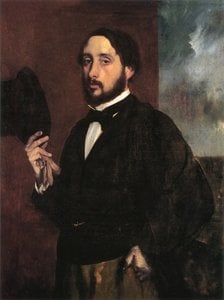
On Stage

Experience Edgar Degas's 'On Stage,' a captivating pastel depicting ballet dancers in motion. Witness the grace & dynamism of dance through Degas’s innovative technique and masterful composition.

Degas: Francia egyik legjelentősebb festője, a balett táncosai, párizsi élete és innovatív technikái világsühmeki művész. Egyedi látásmódja, dinamikus kompozíciói és precíz ábrázolása teszik igazán különlegessé.

Kézzel készített olajfestmény reprodukció

Kézzel festett olajvastú vászon, az Ön által választott méretben és keretben, művészeink készítik meglévőre. ( Váltás nyomtatványra Áttérés digitális képre)

P118B $10
P118H $10
P118W $10
P438Z $10
P508JH $12
P508YH $12
P805H $10
P805Z $10
P919BZ $10
P919G $10
P919XJ $10
P959ZH $10
P968JZ $12
W106C $8
W218G $10
W218JH $8
W218Y $10
W307PJ $10
W316G $10
W316PJ $8
W316Y $10
W398PJ $8
W4111J $10
W500HY $15
W500JH $15
W692G $12
W849H $8
W940BG $15
W953PJ $8

Standard méret
egyedi
CM
INCH

Válasszon előre meghatározott méreteink közül, amelyek megfelelnek a műalkotás eredeti arányainak.

szélesség
magasság

Ön megadhat saját méreteket egy adott kerethez vagy térhez igazításhoz. Ha a kiválasztott méret nem egyezik az eredeti kép arányával, akkor a műalkotást levágjuk, vagy további kézzel festett elemekkel meghosszabbítjuk a festményt. A gyártás megkezdése előtt küldünk Önnek egy digitális előnézetet jóváhagyásra.
Kérjük, vegye figyelembe, hogy a képernyőn megjelenő előnézet nem tükrözi a tényleges vágást vagy kiterjesztést. Csak az előnézet fog pontosan mutatni a végső kompozíciót.
Bár egyedi méretek állnak rendelkezésre, javasoljuk, hogy válasszon egy méretet az előre meghatározott listából az eredeti arányok megőrzése érdekében.

Példák arra, mit lehet módosítani: az arc kicserélése az ügyfél fotójára; háziállat hozzáadása (pl. macska helyett kutya); rejtett üzenet elhelyezése a háttérben; a háttér tájának vagy elemeinek megváltoztatása.
A rendelést követően a WahooArt.com csapata e-mailt küld az ügyfélnek az instrukciókért, és biztosít egy előnézeti képet (mockup).

Világszerte elérhető szállítás () 3-4 hét alatt a szokásos 5 hét helyett. (22 szeptember). A minőség nem kérdőjelezhető.

why_choose_icon
Ingyenes globális expressz szállítás
why_choose_icon
Prémium minőségű len vászon
why_choose_icon
Teljes körű szállítási biztosítás
why_choose_icon
Vámvisszatérítési Garancia
why_choose_icon
Tökéletes színarányosság garancia
why_choose_icon
100 napos visszaküldési garancia (csak gyártási hibás termékek esetén)
why_choose_icon
100% pénzvisszatérítési garancia
why_choose_icon
Több darab vásárlásakor kedvezmény

Összesített ár

$ 272

reproduction

On Stage

Reprodukciós technika

Reprodukció méretei

-

Összesített ár

$ 272

Rövid tények

  • Location: Private Collection
  • Title: On Stage
  • Medium: Pastel on paper
  • Artist: Edgar Degas
  • Subject or theme: Ballet performance
  • Influences: Paul Cézanne
  • Artistic style: Realist, Ballet scene

Művészeti kvíz

Minden kérdésre csak egy helyes válasz létezik.

Kérdés 1:
What is the primary subject of Edgar Degas’s ‘On Stage’?
Kérdés 2:
What medium did Degas primarily use to create ‘On Stage’?
Kérdés 3:
The painting captures a sense of dynamism and immediacy. What technique did Degas employ to achieve this effect?
Kérdés 4:
Which of the following artists was significantly influenced by Degas’s approach to depicting movement and form?
Kérdés 5:
Where can ‘On Stage’ be found today?

On Stage: A Dance with Light and Shadow by Edgar Degas

Edgar Degas’s “On Stage,” painted in 1881, isn't merely a depiction of a ballet performance; it’s an intimate glimpse into the very soul of that world – a realm of rigorous discipline, fleeting beauty, and captivating movement. This pastel masterpiece transcends simple representation, capturing not just the visual spectacle but also the palpable energy and emotional nuances of dancers preparing for, or perhaps lost in, their art. Degas, a true innovator within the Impressionist movement, masterfully employs his chosen medium to create an ethereal atmosphere, inviting the viewer into this private moment backstage at the ballet.

The painting immediately draws the eye to a young woman positioned centrally, her posture radiating both strength and vulnerability. Dressed in a delicate green gown, she extends her arms as if caught mid-gesture, perhaps executing a daring trick or simply embodying the grace demanded of a ballerina. Around her, other dancers emerge from the background – some closer, hinting at their active participation, while others recede into the distance, suggesting the vastness and complexity of the performance to come. The strategic use of perspective—with figures appearing larger in the foreground and diminishing as they move further back—creates a dynamic sense of depth, pulling us into the scene and emphasizing the spatial relationships within the stage setting.

The Art of Pastel: Technique and Impression

Degas’s masterful command of pastel is arguably the painting's most striking feature. Unlike oil paints, pastels offer a remarkable immediacy and luminosity, allowing for rapid layering and subtle shifts in tone. He builds up the image through delicate strokes, creating an astonishingly textured surface—a tapestry of light and shadow that seems to shimmer with movement. The artist’s technique is particularly evident in the rendering of the dancers' costumes; each fold and drape is meticulously captured, revealing a deep understanding of fabric and form. Notice how he uses short, broken brushstrokes to suggest the fluidity of the dancers’ limbs and the rustle of their skirts – capturing not just what they *look* like but also *how* they move.

Furthermore, Degas's choice of pastel contributes significantly to the painting's overall mood. The soft, muted colors evoke a sense of intimacy and dreaminess, as if we’ve stumbled upon a private rehearsal. This contrasts sharply with the often-grand and theatrical depictions of ballet prevalent at the time, offering a more grounded and human perspective on the art form.

A Pioneer in Modern Art: Context and Influence

“On Stage” is deeply rooted within the broader context of Degas’s artistic journey. Initially drawn to historical painting, he ultimately shifted his focus to capturing modern life—particularly the world of ballet, which he found endlessly fascinating. His fascination with dance wasn't merely aesthetic; it was a profound exploration of movement, emotion, and the human condition. This shift reflects a broader trend within Impressionism – a move away from traditional subjects towards scenes of everyday life.

Degas’s innovative approach to composition—often depicting his subjects from unconventional angles—influenced generations of artists. His work paved the way for new ways of seeing and representing the world, challenging established conventions and prioritizing immediacy and emotional impact. Notably, Degas's emphasis on capturing fleeting moments and the dynamism of movement resonated with Paul Cézanne, another pivotal figure in modern art, who sought to structure his paintings using geometric forms inspired by Degas’s work.

Timeless Appeal: Symbolism and Legacy

Beyond its technical brilliance, “On Stage” possesses a powerful symbolic resonance. The young dancer's poised posture and outstretched arms can be interpreted as an embodiment of aspiration, discipline, and the pursuit of beauty—qualities deeply associated with ballet. The painting also subtly explores themes of performance, identity, and the relationship between artist and audience. It’s a poignant reminder that behind the dazzling spectacle of the stage lies a world of dedication, vulnerability, and artistic expression.

Today, “On Stage” remains a testament to Degas's genius and a beloved masterpiece within the Impressionist canon. Its enduring appeal is evidenced by its presence in prestigious collections like The Barnes Foundation, ensuring that this captivating work continues to inspire and enchant viewers for generations to come. WahooArt offers meticulously crafted hand-painted reproductions of “On Stage,” allowing you to bring this iconic image into your home or office – a beautiful addition to any art collection.


A művész életrajza

A Life Immersed in Movement

Edgar Degas, born Hilaire-Germain-De Gas in Paris on July 19, 1834, remains one of the most intriguing and complex figures in French art history. Often associated with Impressionism, a label he actively resisted, Degas was fundamentally a realist—a meticulous observer of the world around him, dedicated to portraying it with startling honesty and a unique visual language. His early life, comfortably bourgeois thanks to his banker father’s wealth and his mother's Creole background, provided him with access to education and artistic training, though he often felt constrained by academic expectations. Initially enrolled at the Lycée Louis-le-Grand, Degas’s true education began in the Louvre, where he spent countless hours copying works by masters like Raphael and Rembrandt, honing his skills and developing a deep appreciation for classical form. However, this wasn't simply imitation; it was a process of intense study and critical engagement with artistic tradition—a foundation upon which he would later build his own distinctive style. His father’s encouragement, recognizing his son’s innate talent, allowed him to establish a studio within their grand home, providing a space for experimentation and self-discovery.

Beyond Impressionism: A Unique Artistic Vision

While many of his contemporaries, including Monet and Renoir, sought to capture the fleeting effects of light outdoors, Degas largely worked within the confines of his Parisian studio. His subject matter was decidedly modern—a departure from the historical or mythological scenes favored by traditional academic painters. He found inspiration in the vibrant, often overlooked details of everyday Parisian life: the bustling activity of laundresses at the Seine, the alluring figures of cabaret singers and dancers, the quiet elegance of milliners crafting their creations. It is this fascination with ballet that defines much of his oeuvre—a world of grueling rehearsals, physical strain, and fleeting moments of grace amidst a demanding profession. Degas didn’t simply paint beautiful ballerinas; he captured the *reality* of their lives, revealing both their beauty and their hardship. His compositions are often unconventional, cropping figures in unexpected ways, utilizing asymmetrical arrangements, and employing a dynamic sense of movement that draws the viewer into the scene. He was particularly adept at capturing the subtle nuances of gesture and expression, conveying not just what he saw but also *how* it felt to be present in those moments. His work is characterized by an intimate, almost voyeuristic perspective, as if he were a silent observer privy to private dramas unfolding before him.

Influences and Artistic Development

Degas’s artistic journey was shaped by a remarkably diverse range of influences. His early training emphasized classical principles, particularly the meticulous draftsmanship championed by Jean-Auguste-Dominique Ingres, whose emphasis on precise form and idealized beauty left an indelible mark on his work. However, he also admired the Realist movement, spearheaded by artists like Gustave Courbet, who challenged academic conventions and sought to depict contemporary life with unflinching honesty. A pivotal moment in his development came through his association with Camille Pissarro, a leading Impressionist who encouraged him to experiment with new techniques and broadened his artistic horizons. Degas was deeply captivated by Japanese prints—Ukiyo-e—which exerted a profound influence on his compositions, color palettes, and use of asymmetrical arrangements. He studied the bold lines, flattened perspectives, and decorative patterns of these woodblock prints, incorporating them into his own work to create a sense of dynamism and visual interest. Furthermore, Degas embraced photography as a tool for studying movement and capturing fleeting moments in time—a technique he skillfully integrated into his paintings, particularly his depictions of dancers. He wasn’t simply copying what he saw; he was actively synthesizing diverse influences into something entirely new and uniquely his own.

Major Works and Techniques

Degas's artistic output spanned a remarkable range of subjects and media. His paintings of ballet dancers—such as *The Dance Class*, *Little Dancer on the Bar* (bronze sculpture), and *L’Étoile*—are arguably his most famous works, capturing the intensity of rehearsals and the fleeting beauty of performance with unparalleled skill. He also produced a significant body of pastel drawings, often depicting scenes from Parisian life—laundresses at work, milliners displaying their wares, and street vendors hawking their goods. His use of pastels was particularly innovative, employing a loose, expressive technique that captured the immediacy of observation. Beyond painting and sculpture, Degas also experimented with monotypes (unique prints) and drypoint etchings, further expanding his artistic repertoire. His ability to capture movement—not through blurred lines or hazy effects, but through precise observation and careful rendering of form—is a hallmark of his work.

Legacy and Lasting Impact

Edgar Degas died in Paris on September 27, 1917, leaving behind a vast and influential body of work that continues to captivate audiences today. He paved the way for future generations of artists who sought to break free from traditional conventions and explore new ways of representing the world around them. His innovative approach to composition, his masterful draftsmanship, and his unflinching portrayal of modern life have had a profound impact on the course of art history. He wasn’t merely a painter of dancers or racehorses; he was a keen observer of human nature, a master of form and movement, and a true innovator who redefined the possibilities of art. His influence can be seen in the work of Pablo Picasso and Henri Matisse, among others, solidifying his place as one of the most important figures in modern art.
  • Innovative Composition: Degas frequently employed unconventional cropping and asymmetrical arrangements.
  • Capturing Movement: He masterfully depicted movement through precise observation and rendering.
  • Diverse Subject Matter: His work encompassed ballet, Parisian life, and horse racing.

hilaire-germain-edgar degas

hilaire-germain-edgar degas

1834 - 1917 , Franciaország

Gyors információk

  • Artistic Movement Or Style: Impressionizmus, Realizmus
  • Artists Or Movements Influenced By This Artist:
    • Picasso
    • Matisse
  • Artists Who Influenced This Artist:
    • Ingres
    • Courbet
    • Pissarro
  • Date Of Birth: 1834. július 19.
  • Date Of Death: 1917. szeptember 27.
  • Full Name: Hilaire-Germain-Edgar De Gas
  • Nationality: Francia
  • Notable Artworks:
    • Táncosok csoportja
    • A táncmester
    • Kávéházi jelenet
  • Place Of Birth: Párizs, Franciaország
Fedezze fel a műalkotásokat témák, stílusok és jellemzők szerint csoportosítva.