A művész életrajza
Élet és Korai Évek
Henri Émile Benoît Matisse, 1869. december 31-én született a kis észak-franciaországi Le Cateau-Cambrésisben. Gyermekkora nem ígért festői pályát; szülei vetőmagot és festéket árultak kis üzletükben, és úgy tűnt, fiuk is ezt a családi vállalkozást folytatja majd. Viszont gyenge egészségi állapota megakadályozta ebben. 1882 és 1887 között humángimnáziumba járt, majd Párizsban jogot tanult, végül diplomát szerzett. Azonban egy súlyos vakbélgyulladás (1890) drámai fordulatot hozott az életében. A hosszú ágybetegség során, hogy ne unatkozzon, édesanyja festőkészlettel ajándékozta meg. Ez a pillanat sorsfordító volt: Matisse felfedezte benne a szenvedélyét és új hivatását. Bár kezdetben autodidakta módon tanult, hamarosan beiratkozott az Académie Julianba, majd az École Nationale des Beaux-Artsba, ahol William-Adolphe Bouguereau és Gustave Moreau voltak mesterei. Ezek a tanulmányok klasszikus technikákat biztosítottak számára, amelyek később alapvető szerepet játszottak innovatív stílusának kialakulásában. Korai munkái ezen akadémiai hatásokon keresztül mutatkoztak meg, bár még nem hordozták magukban azt a jellegzetes hangot, amely hamarosan világhírnévhez juttatta őt.
A Fauvizmus Születése és Kísérletezések
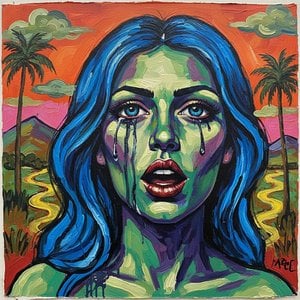
1896-ban tett látogatása Belle-Île szigetére, ahol az ausztrál festő John Russell volt a társasága, kulcsfontosságú pillanatot jelentett Matisse pályáján. Russell bemutatta számára az impresszionizmus vibráló világát, de ami még fontosabb volt, Vincent van Gogh expresszív vásznait. Van Gogh színekkel való merész játéka mély hatást gyakorolt Matisse-ra, és arra ösztönözte őt, hogy elszakadjon a korábbi visszafogott palettájától, és bátrabban használjon olyan árnyalatokat, amelyek az érzelmeket tükrözik. Ez a felfedezés vezetett a Fauvizmus (a „vadak” mozgalma) megszületéséhez 1905 körül. A csoport első kiállítása a Salon d'Automne-on sok kritikust megbotránkoztatott, mivel festményeik szokatlanul élénk színei és természetellenes formái radikálisan eltértek a hagyományos ábrázolásmódoktól. Matisse, Andrè Derain és Maurice de Vlaminck vezetésével intenzív színeket alkalmaztak önálló kifejező eszközként, egyszerűsítve a formákat annak érdekében, hogy felerősítsék azok hatását. A The Gourds (1905) című alkotás tökéletesen példázza ezt a stílust – vörös, zöld és sárga színek káoszát ábrázolja, amely hagyományos perspektívát és valósághűséget figyelmen kívül hagyva szabadon alkalmazott ecsetvonásokkal jelenik meg. A Fauvizmus legfontosabb jellemzői közé tartoznak az intenzíven telített színek, a leegyszerűsített formák, az expresszív ecsetkezelés és a konvencionális ábrázolás tudatos elutasítása az érzelmi kifejezés érdekében.
Finomítás és Dekoratív Harmónia
A Fauvizmus kezdeti lendülete után Matisse stílusa finom, de jelentős változáson ment keresztül. Bár nem hagyta el a színek iránti szeretetét, munkái kifinomultabbá váltak, egy dekoratív esztétika felé mozdulva, amely lapos formákat és bonyolult mintázatokat hangsúlyozott. A szabadidő, a családi élet és az emberi alak témáit ábrázolta békés környezetben, olyan kompozíciókat alkotva, amelyek harmonikusak és érzelmileg rezonálóak voltak. 1917-es Nice-be költözése tovább erősítette ezt a változást, munkáiba klasszikus egyensúlyt és nyugalmat hozva. Ekkor kezdett komplex környezeteket teremteni – festményeket, szobrokat és dísztárgyakat –, amelyek a nézőt szépség és béke légkörébe helyezték. Kísérletezett különböző médiumokkal is, például kerámiával és textíliával, kiterjesztve művészi látókörét a hagyományos vászonon túli területekre. Nem csupán jeleneteket ábrázolt, hanem olyan világokat épített fel, amelyek egy adott érzelmi reakciót váltottak ki.
Késői Évek: Innováció a Korlátozások Között
A hanyatló egészségi állapot korlátozta Matisse festési képességeit, és ez egy rendkívüli új fejezetet nyitott művészi pályáján – a papírvágásos kollázsok ( *découpages*) létrehozását. 1947 körül kezdődtek ezek a munkák, amelyek szükségből fakadtak. Kerekesszékhez kötözve fizikailag nem tudott állva festeni, de még mindig képes volt papírt ollóval manipulálni. Ami praktikus megoldásként indult, egy úttörő művészeti technikává fejlődött. Nagy színes papírlapokat festett le, majd vágta őket formákra – organikus alakokra, levelekre, figurákra –, és ezeket rendezte vásznakon, dinamikus és csalóka egyszerű kompozíciókat alkotva. Ezek a *découpages* nem csupán a festészet helyettesítői voltak; egy új gondolkodásmódot képviseltek a színről, formáról és kompozícióról. Folytatta élete során végzett kutatásait ezeken az elemeken, kitartó művészi látókörrel még fizikai korlátozások közepette is. A papírvágásos technika lehetővé tette számára a forma és a szín tisztaságának elérését, ami nehezen volt elérhető festékkel. Ezek a munkák gyakran hivatkoztak korábbi témáira és motívumaira, de friss és innovatív módon mutatták be őket. Demonstrálták képességét az alkalmazkodásra és fejlődésre művészként karrierje során.
Örökség: Matisse Hatása a Modern Művészetre
Henri Matisse 1954-ben halt meg Nizzában, és egy olyan életművet hagyott maga után, amely továbbra is inspirálja és lenyűgözi a világ közönségét. Hatása a művészeti világra vitathatatlan; kihívta a reprezentáció hagyományos fogalmait, védelmezte a szín kifejező erejét, és utat nyitott a jövő generációi számára. Gyakran emlegetik Pablo Picassóval együtt a 20. század egyik legbefolyásosabb alakjaként, Matisse alapvetően formálta a modernizmust. Öröksége nem csupán műalkotásaiban rejlik – egy filozófiát foglal magában, amely ünnepli az örömöt, a szépséget és a szín átalakító erejét. Nem csupán azt festette le, amit látott; érzelmi élményt teremtett a néző számára, meghívva őt, hogy megossza vízióját egy fényben és vibráló színekben úszó világról. Matisse hatása számtalan művész munkájában látható különböző diszciplínákon keresztül, megerősítve helyét a modern művészet igazi mestereként – egy festőként, aki merte úgy látni a világot, ahogy lehet, tele színnel, harmóniával és végtelen lehetőségekkel.



 Megtekintés
 Áttérés Nyomtatványra
 Küldés
 Megosztás
 Részletek

 Letöltés
 Hasonló darabok
 X-ray felvétel
 Diavetítés
 Statisztika
 Összes részlet megjelenítése






































 Az üvegkeretes opció csak 110 cm alatti méretben érhető el