Megtekintés AR előnézet Kézzel festett másolat rendelése Áttérés digitális képre Küldés
Részletek Útmutató Kedvencekhez ad Letöltés Hasonló darabok X-ray felvétel Diavetítés Statisztika

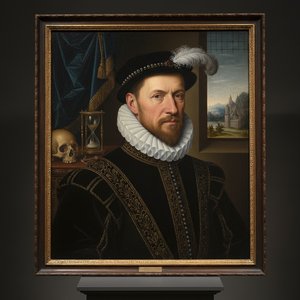
untitled (5500)

Hans Holbein's "Untitled (5500)" depicts Jesus and his disciples sharing a meal, rich with symbolism & detail. Explore the masterpiece’s religious & humanist themes through stunning realism.

Hans Holbein a Fiatalabb (1497-1543): a realizmus portréfestészet észak-európai mestere, aki a Tudor-ház tagjait, például VIII. Henryt is híres, aprólékos részletezéssel ábrázolta.

Giclée / Műnyomat

Múzeumi minőségű giclée vagy vászonnyomat, gyors gyártással és rugalmas finomítási lehetőségekkel. ( Kézzel festett másolat rendelése Áttérés digitális képre)

Corner sample of the P118B picture frame: formázott polisztirol, 5 cm wide and 3 cm thick
P118B Ft10
Corner sample of the P118H picture frame: formázott polisztirol, 5 cm wide and 3 cm thick
P118H Ft10
Corner sample of the P118W picture frame: formázott polisztirol, 5 cm wide and 3 cm thick
P118W Ft10
Corner sample of the P438Z picture frame: formázott polisztirol, 5.5 cm wide and 3.5 cm thick
P438Z Ft10
Corner sample of the P508JH picture frame: formázott polisztirol, 7 cm wide and 3.5 cm thick
P508JH Ft12
Corner sample of the P508YH picture frame: formázott polisztirol, 7 cm wide and 3.5 cm thick
P508YH Ft12
Corner sample of the P805H picture frame: formázott polisztirol, 5 cm wide and 3.5 cm thick
P805H Ft10
Corner sample of the P805Z picture frame: formázott polisztirol, 5 cm wide and 3.5 cm thick
P805Z Ft10
Corner sample of the P919BZ picture frame: formázott polisztirol, 7 cm wide and 3.5 cm thick
P919BZ Ft10
Corner sample of the P919G picture frame: formázott polisztirol, 7 cm wide and 3.5 cm thick
P919G Ft10
Corner sample of the P919XJ picture frame: formázott polisztirol, 7 cm wide and 3.5 cm thick
P919XJ Ft10
Corner sample of the P959ZH picture frame: formázott polisztirol, 5 cm wide and 3 cm thick
P959ZH Ft10
Corner sample of the P968JZ picture frame: formázott polisztirol, 6 cm wide and 4 cm thick
P968JZ Ft12
Corner sample of the W106C picture frame: tömörfa, 5 cm wide and 3 cm thick
W106C Ft8
Corner sample of the W218G picture frame: tömörfa, 5 cm wide and 3 cm thick
W218G Ft10
Corner sample of the W218JH picture frame: tömörfa, 5 cm wide and 3 cm thick
W218JH Ft8
Corner sample of the W218Y picture frame: tömörfa, 5 cm wide and 3 cm thick
W218Y Ft10
Corner sample of the W307PJ picture frame: tömörfa, 6 cm wide and 3 cm thick
W307PJ Ft10
Corner sample of the W316G picture frame: tömörfa, 6 cm wide and 3 cm thick
W316G Ft10
Corner sample of the W316PJ picture frame: tömörfa, 6 cm wide and 3 cm thick
W316PJ Ft8
Corner sample of the W316Y picture frame: tömörfa, 6 cm wide and 3 cm thick
W316Y Ft10
Corner sample of the W398PJ picture frame: tömörfa, 5 cm wide and 3 cm thick
W398PJ Ft8
Corner sample of the W4111J picture frame: tömörfa, 6.5 cm wide and 3.5 cm thick
W4111J Ft10
Corner sample of the W500HY picture frame: tömörfa, 7 cm wide and 5 cm thick
W500HY Ft15
Corner sample of the W500JH picture frame: tömörfa, 7 cm wide and 5 cm thick
W500JH Ft15
Corner sample of the W692G picture frame: tömörfa, 8 cm wide and 4 cm thick
W692G Ft12
Corner sample of the W849H picture frame: tömörfa, 5 cm wide and 3 cm thick
W849H Ft8
Corner sample of the W940BG picture frame: tömörfa, 7.5 cm wide and 4.5 cm thick
W940BG Ft15
Corner sample of the W953PJ picture frame: tömörfa, 6 cm wide and 3.5 cm thick
W953PJ Ft8

Standard méret
egyedi méretű
CM
INCH

Válasszon előre meghatározott méreteink közül, amelyek megfelelnek a műalkotás eredeti arányainak.

szélesség
magasság

Írja be a keretének vagy a falának megfelelő szélességet és magasságot. A nyomatot csak le lehet vágni, soha nem tehető nagyobbá, mint az eredeti kép, így egy eltérő alakú méretnél a kép egy része elveszik. Mielőtt bármit kinyatintanánk, küldünk egy digitális próbamodellt jóváhagyásra. Az oldalon látható kép nem tartalmazza a valós levágást — ezt csak a próbamodell mutatja meg.

Világszerte történő kiszállítás területére mindössze 2 hét alatt, a szokásos 4-5 hét helyett. (26 október)

Ingyenes globális expressz szállítás
Prémium minőségű len vászon
Teljes körű szállítási biztosítás
Vámvisszatérítési Garancia
Hiteles színarányosság garancia
100 napos visszaküldési lehetőség (csak hibás termékek esetén)
100% pénzvisszatérítési garancia
Több darab vásárlásakor kedvezmény

Összesített ár

Ft 21796

untitled (5500)

Giclée / Műnyomat

Reprodukció mérete

-

Összesített ár

Ft 21796

Gyors információk

  • Subject or theme: Religious scene, feast
  • Title: untitled (5500)
  • Medium: Oil on panel
  • Artistic style: Realistic portraiture

Művészeti kvíz

Minden kérdésre csak egy helyes válasz létezik.

Kérdés 1:
What is the primary subject depicted in ‘untitled (5500)’?
Kérdés 2:
According to the description, how many people are depicted in the painting?
Kérdés 3:
What is a prominent feature on the dining table that suggests symbolic meaning?
Kérdés 4:
Hans Holbein the Younger is known for his expertise in which artistic style?
Kérdés 5:
The inclusion of the anamorphic skull in ‘untitled (5500)’ most likely represents:

A Window into Tudor Intrigue: Hans Holbein’s “Untitled (5500)”

Hans Holbein the Younger's "Untitled (5500)" is not merely a group portrait; it’s a meticulously crafted tableau of power, faith, and subtle symbolism—a frozen moment within the opulent world of 16th-century England. This remarkable painting, depicting Jesus surrounded by his disciples at a shared meal, transcends simple representation to offer a profound glimpse into the political and religious currents of its time. The sheer scale of the composition – an unknown size but undoubtedly commanding – immediately draws the viewer in, inviting them to become part of this intimate scene. Holbein’s mastery is evident not just in his astonishingly realistic depiction of each figure, but also in the way he uses light and shadow to create a palpable sense of depth and atmosphere, reminiscent of the masterful works of Jan van Eyck.

The painting unfolds around a richly appointed dining table, laden with bowls, knives, and various instruments of learning – a deliberate arrangement that speaks volumes about the intellectual climate of the Tudor court. Three bowls are strategically placed, hinting at shared sustenance and fellowship, while the knife suggests both practicality and perhaps, a subtle undercurrent of tension. The figures themselves are rendered with an almost unsettling level of detail; each face is etched with individual character, reflecting not just likeness but also personality and status. The seated disciples, ranging from the youthful to the seasoned, embody a diverse group united by their devotion to Jesus. Notably, Jesus himself is positioned at the head of the table, asserting his central role within this community.

Renaissance Realism and Psychological Depth

Holbein’s artistic genius lies in his ability to capture not just outward appearances but also the inner lives of his subjects. This painting exemplifies his signature style – a blend of meticulous observation and psychological insight. He was renowned for his portraits, particularly those commissioned by Henry VIII and Anne Boleyn, and this work demonstrates his skill at conveying character through subtle gestures, expressions, and clothing choices. The use of oil paints allowed him to achieve an unprecedented level of detail and luminosity, capturing the textures of fabrics, the sheen of metal, and the nuances of skin tones with remarkable accuracy.

The technical brilliance is further enhanced by Holbein’s innovative approach to perspective and composition. He masterfully employs atmospheric perspective – creating a sense of distance through variations in color and detail – to draw the viewer's eye into the scene. The arrangement of figures around the table, with Jesus at its center, establishes a clear hierarchy while simultaneously fostering a feeling of intimacy and shared experience. It’s a carefully orchestrated visual narrative that invites contemplation.

Symbolism and Historical Context

Beyond its aesthetic qualities, “Untitled (5500)” is rich in symbolic meaning. The inclusion of scientific instruments – globes, sundials, and quadrants – reflects the burgeoning interest in astronomy and navigation during the Renaissance, a period marked by both exploration and intellectual curiosity. The reference to Rome through the Cosmati pavement pattern, likely incorporated as a gift for Anne Boleyn, subtly alludes to the political tensions between England and the Papal States. The lute with its broken string is a potent symbol of discord, perhaps representing the religious divisions that were fracturing Europe at the time.

The presence of Martin Luther’s hymnbook, open on facing pages referencing Law and Grace, adds another layer of complexity to the painting's interpretation. It suggests a dialogue between faith and reason, tradition and reform – themes that were central to the Protestant Reformation. Even the seemingly simple act of sharing a meal becomes imbued with significance, representing not just sustenance but also fellowship, community, and spiritual nourishment.

A Timeless Masterpiece: Reproduction Possibilities

WahooArt offers meticulously crafted hand-painted reproductions of Hans Holbein’s “Untitled (5500),” allowing you to bring this extraordinary artwork into your home or office. Our skilled artisans replicate Holbein's intricate details, vibrant colors, and atmospheric depth with unparalleled precision. Whether you are an art collector, a design enthusiast, or simply someone who appreciates the beauty of Renaissance art, our reproduction provides a stunning and authentic representation of this iconic masterpiece. Explore the available sizes and canvas options to find the perfect way to experience the power and allure of “Untitled (5500).”

Kérdések és válaszok

Milyen módon kapcsolódik össze a „untitled (5500)”, Hans Holbein A Fiatalabb alkotása a Northern Renaissance irányzatot a művész honcountryjához?

A "untitled (5500)" a alkotó születésihelyén keresztül köti össze a Northern Renaissance irányzatot Olaszország-val.

Milyen orientációjú a „untitled (5500)”, Hans Holbein A Fiatalabb alkotása?

A „untitled (5500)”, Hans Holbein A Fiatalabb alkotása Portrait formátumú alkotás. A formátum a kompozíció arányait határozza meg.

Milyen színtelítettséggel rendelkezik „untitled (5500)”, Hans Holbein A Fiatalabb alkotása?

A „untitled (5500)”, Hans Holbein A Fiatalabb alkotása alkotás Subtle Color telítettségű színekkel készült.


A művész életrajza

Részletekbe vésve egy élet: Hans Holbein a Fiatalabb világa

Hans Holbein a Fiatalabb körülbelül 1497-ben született Németország vibráló művészeti központjában, Augsburgban, és a Northern Renaissance meghatározó alakjaként emelkedett ki – egy olyan portréfestő mesterként, akinek munkássága lélegzetelállóságú realizmusmal és pszichológiai mélységgel szólal meg még ma is. Művészileg tehetséges családban töltött gyermekléte fektette le kiv excepcional talentje alapjait; apja, Hans Holbein az Iddebb, elismert festő és rérmtípusművész volt, aki fiatal Hansba egy aprólékos megfigyelési és technikai szemlétséget oltott. Ez a korai képzés nem csupán a pincétek mesteri tudását vagy a pigmentek keverését jelentette – arról szólt, hogy megtanuljon *látni*, hogy ne csak a hasonlságot, hanem egy tárgy lényegét is megörökítse. Holbein kezdeti művészeti kísérletezései apja műhelyében zajlódtak, ahol finomította készségeit, mielőtt olyan utazásba vágna, amely Svádecon keresztül végül az angol udvar szívéig vezetné őt.

Baseltől a Tudor-udvarig: Egy felemelkedő csillag

Szakembetségét befejezve Holbein kiterjedten utazott Svádecon belül, és egy egyre ismertebb, független művészként vált ismertté. Több formálódó évet töltött Baselben, ahol nemcsak lenyűgépítő portrékat alkotott, hanem vallási alkotásokat és bonyolult fahengerrú (woodcut) tervezeteket is – legkiemelkedebben a Halál tánca című, hátborzongató sorozatot. Ezek az early művek felfedezhetően mutatják a kompozíció fejlődő mesteri tudását és az emberi érzelmek összetetetségének megörökítésébe való mély elmélyülését. 1526-ban azonban a sors beavatkozott, és Holbeint Angliára csalta, ami irrevocálisan megváltoztatta művészeti pályafutását. Erasmus, a neves humanista tudós ajánlólevele érkezett vele, amely kaput nyitott az angol társaság befolyásos köreinek előtt. Tehetsége gyorsan lenyűgözte olyan meghatározó alakokat, mint Sir Thomas More, aki egyszerre lett mecénása és több lenyűgöző portréja alanyja is. Ez a kapcsolat döntő fontosságúnak bizonyult, hiszen ez vezetett Holbein 1536-os kinevezéséhez VIII. Henrik király udvari festőjeként – pozíciót, amelyet néhány megszakítással is, egészen 1543-as korai haláláig betartott.

A megfigyelés művészete: Stílus és mesterművek

Holbein művészeti stílusát a realizmus iránti rendkívüli elkötelezettség jellemzi, amelyet textúrák, anyagok és az arcvonások finom árnyalatainak apró részletezésével érelt el. Ő nem egyszerűen portrékat *festett*; hanem körültekintően felépítette őket, rétegről rétegre, megörökítve nemcsak a fizikai megjelenést, hanem az alanyok személyiségét és belső világát is. Innovatív kompozíciói tovább fokozták művei hatását, gyakran alkalmazva szimbolikus tárgyakat vagy háttérképeket a mélyebb jelentés közvetítésére. A A ${_ambassadorok}$ (1533) áll a bizonyítékéként ennek a megközelítésnek – egy összetett és szimbolikailag gazdag kettős portré, amely egyszerre mutatja be Holbein technikai brillanciáját és intellektuális mélységét. A festménybe finoman beágyazott anamorfiás koponya éles memento moriként szolgál, emlékeztetve a nézőket a halál elkerülhetetlenségére. VIII. Henrik számos portréja a Tudor-hatalom tartós képét rögzítette, mí𝙧ő Rotterdami Erasmus ábrázolása pedig a tudós mély intellektuális súlyát ragadta meg. Egyéb kiemelkedő műve közé tartozik a lenyűgöző Nikolaus Kratzer portréja (1528), amely a realizmus és a tudományos részletesség mesterműve.

Örökség és hatás: Egy maradandó benyomás

Holbein művészeti útját különböző hatások találkozása formálta, ötvözve a német művészeti hagyományok precizitását az olasz reneszánsz kompozíciós elveivel. Ápolta Albrecht Dürer és más német mesterek munkásságát, miközben utazásai során tanulmányozta az olasz művészetet is, felszívva technikájukat és beépítve azokat saját egyedi stílusába. Öröksége mélyreható; Holbein portréjai új standardot állítottak a portréfestés realizmusában és pszívológiai élességében, befolyásolva az utánuk jött művészek generációit. A Tudor-korszak kulcsfontosságú alakjainak ábrázolása felbecsülhetetlen betekintést nyújt azok életébe és személyiségébe, akik formálták az angol történelmet. Műve erőteljes tanúbizonyság mint a művészet tartós ereje, amely képes dokumentálni, értelmezni és megvilágítani a múltat.

Végső ecsetvonás: Történelmi jelentőség

Hans Holbein a Fiatalabb 1543-ban halt meg Londonban, magára hagyva egy olyan munkásságot, amely évszázadokkal később is lenyűgözi a közönséget. Portréjai többek, mint szép képek; történelmi dokumentumok, amelyek betekintést nyújtanak a Tudor-korszak politikai intrigáiba, vallási zűrzavaraiba és kulturális változásaiba.
  • VIII. Henrik ábrázolásai a királyi hatalom ikonikus reprezentációivá váltak.
  • Portréfestészete ablakot nyit Erasmus és More olyan neves humanisták életébe, akik a tudományt formálták.
  • A szimbolizmus innovatív használata rétegeket ad a munkásságnak, meghívva a nézőket a mélyebb témák megfontolására.
Holbein művészete túlmutat a puszta technikai tudáson; ez az intellektuális kíváncsiság, a művészeti innováció és az emberi létezés mély megértésének megtestesülése. A reneszánsz egyik legcsodált és legtudományosabb festője maradt, egy olyan mester, akinek öröksége továbbra is inspirál és magával ragad.
Hans Holbein A Fiatalabb

Hans Holbein A Fiatalabb

1497 - 1543 , Olaszország

Rövid információk

  • Artistic Movement Or Style: Északnémeti Reneszánszi
  • Artists Or Movements Influenced By This Artist: ['Korábbi portrétfestők']
  • Artists Who Influenced This Artist: ['Albrecht Dürer']
  • Date Of Birth: 1497
  • Date Of Death: 1543
  • Full Name: Hans Holbein der Jüngere
  • Nationality: Német-svájci
  • Notable Artworks:
    • Az Építők
    • Henry VIII portréja
    • Erasmus portréja
    • Nikolaus Kratzer
  • Place Of Birth: Augsburg, Németország
Fedezze fel a műalkotásokat témák, stílusok és jellemzők szerint csoportosítva.