Előnézet AR előnézet Kézzel festett másolat vásárlása Áttérés digitális képre Megosztás
Részletek Útmutató Kedvencekhez ad Letöltés Hasonló darabok X-ray felvétel Diavetítés Statisztika

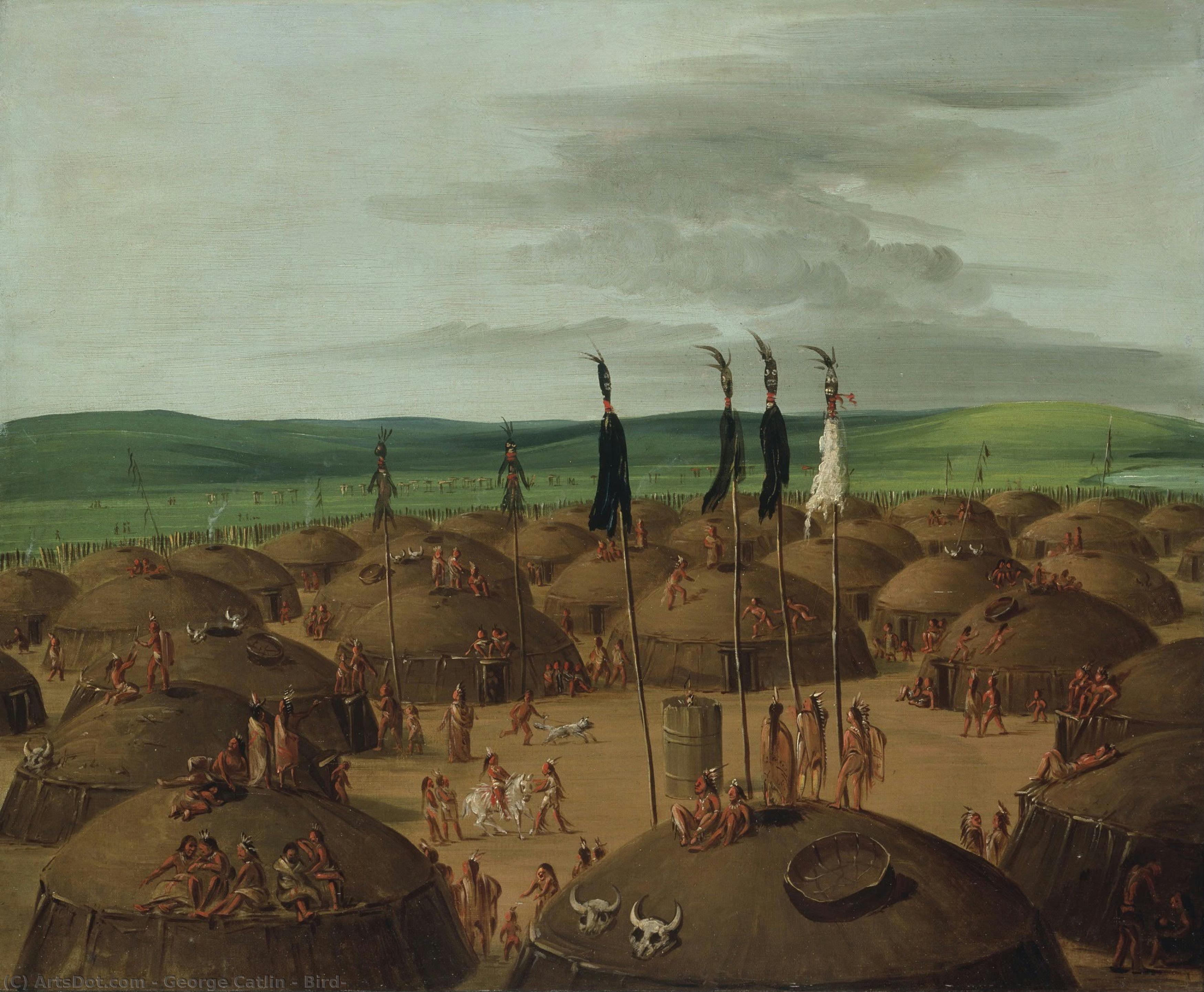
Bird

Experience George Catlin’s ‘Shin ga wás sa, Handsome Bird,’ a Romantic portrait of a Plains Indian warrior capturing the spirit of the American West. This iconic 1839 painting showcases meticulous detail and warm hues, offering a timeless glimpse into Native American culture – discover yours.

Fedezd fel George Catlin egyedi művészetét! A távoli nyugaton élő őslakosok életének, kultúrájának dokumentálása a 19. században. Kiemelkedő portrék és tájképfestések a vadon élő népekről!

Giclée / Műnyomat

Múzeumi minőségű giclée vagy vászonnyomat, gyors gyártással és rugalmas finomítási lehetőségekkel. ( Kézzel festett másolat vásárlása Áttérés digitális képre)

Corner sample of the P118B picture frame: moulded polystyrene, 5 cm wide and 3 cm thick
P118B Ft10
Corner sample of the P118H picture frame: moulded polystyrene, 5 cm wide and 3 cm thick
P118H Ft10
Corner sample of the P118W picture frame: moulded polystyrene, 5 cm wide and 3 cm thick
P118W Ft10
Corner sample of the P438Z picture frame: moulded polystyrene, 5.5 cm wide and 3.5 cm thick
P438Z Ft10
Corner sample of the P508JH picture frame: moulded polystyrene, 7 cm wide and 3.5 cm thick
P508JH Ft12
Corner sample of the P508YH picture frame: moulded polystyrene, 7 cm wide and 3.5 cm thick
P508YH Ft12
Corner sample of the P805H picture frame: moulded polystyrene, 5 cm wide and 3.5 cm thick
P805H Ft10
Corner sample of the P805Z picture frame: moulded polystyrene, 5 cm wide and 3.5 cm thick
P805Z Ft10
Corner sample of the P919BZ picture frame: moulded polystyrene, 7 cm wide and 3.5 cm thick
P919BZ Ft10
Corner sample of the P919G picture frame: moulded polystyrene, 7 cm wide and 3.5 cm thick
P919G Ft10
Corner sample of the P919XJ picture frame: moulded polystyrene, 7 cm wide and 3.5 cm thick
P919XJ Ft10
Corner sample of the P959ZH picture frame: moulded polystyrene, 5 cm wide and 3 cm thick
P959ZH Ft10
Corner sample of the P968JZ picture frame: moulded polystyrene, 6 cm wide and 4 cm thick
P968JZ Ft12
Corner sample of the W106C picture frame: solid wood, 5 cm wide and 3 cm thick
W106C Ft8
Corner sample of the W218G picture frame: solid wood, 5 cm wide and 3 cm thick
W218G Ft10
Corner sample of the W218JH picture frame: solid wood, 5 cm wide and 3 cm thick
W218JH Ft8
Corner sample of the W218Y picture frame: solid wood, 5 cm wide and 3 cm thick
W218Y Ft10
Corner sample of the W307PJ picture frame: solid wood, 6 cm wide and 3 cm thick
W307PJ Ft10
Corner sample of the W316G picture frame: solid wood, 6 cm wide and 3 cm thick
W316G Ft10
Corner sample of the W316PJ picture frame: solid wood, 6 cm wide and 3 cm thick
W316PJ Ft8
Corner sample of the W316Y picture frame: solid wood, 6 cm wide and 3 cm thick
W316Y Ft10
Corner sample of the W398PJ picture frame: solid wood, 5 cm wide and 3 cm thick
W398PJ Ft8
Corner sample of the W4111J picture frame: solid wood, 6.5 cm wide and 3.5 cm thick
W4111J Ft10
Corner sample of the W500HY picture frame: solid wood, 7 cm wide and 5 cm thick
W500HY Ft15
Corner sample of the W500JH picture frame: solid wood, 7 cm wide and 5 cm thick
W500JH Ft15
Corner sample of the W692G picture frame: solid wood, 8 cm wide and 4 cm thick
W692G Ft12
Corner sample of the W849H picture frame: solid wood, 5 cm wide and 3 cm thick
W849H Ft8
Corner sample of the W940BG picture frame: solid wood, 7.5 cm wide and 4.5 cm thick
W940BG Ft15
Corner sample of the W953PJ picture frame: solid wood, 6 cm wide and 3.5 cm thick
W953PJ Ft8

Standard méret
egyedi
CM
INCH

Válasszon előre meghatározott méreteink közül, amelyek megfelelnek a műalkotás eredeti arányainak.

szélesség
magasság

Megadhat saját méreteket is egy konkrét kerethez vagy helyszínhez igazítva. Amennyiben a kiválasztott méret nem egyezik az eredeti kép arányokkal, a műalkotást le fogjuk vágni, vagy kiegészítjük a képet tükrözött vagy egyszínű szélekkel. A gyártás megkezdése előtt egy digitális tervezetet küldünk jóváhagyásra.
Kérjük, vegye figyelembe, hogy a képernyőn látható előnézet nem tükrözi a tényleges levágást vagy kiegészítést. Csak a tervezet mutatja pontosan a végső kompozíciót.
Bár az egyedi méretek is elérhetőek, az eredeti arányok megőrzése érdekében azt javasoljuk, hogy válasszon a előre meghatározott listából származó méretet.

Világszerte történő kiszállítás területére mindössze 2 hét alatt, a szokásos 4-5 hét helyett. (9 október)

Ingyenes globális expressz szállítás
Prémium minőségű len vászon
Teljes körű szállítási biztosítás
Vámvisszatérítési Garancia
Tökéletes színarányosság garancia
100 napos visszaküldési garancia (csak gyártási hibás termékek esetén)
100% pénzvisszatérítési garancia
Több darab vásárlásakor kedvezmény

Összesített ár

Ft 21355

Bird

Giclée / Műnyomat

Reprodukció méretei

-

Összesített ár

Ft 21355

Rövid tények

  • Subject or theme: Native American warrior; Frontier life
  • Influences: Hudson River School
  • Notable elements or techniques: Dramatic portraiture; Detailed observation of Native American culture.
  • Artistic style: Realistic
  • Title: Bird
  • Movement: Romanticism
  • Location: Private Collection

George Catlin’s “Shin ga wás sa, Handsome Bird”: A Window into the Spirit of the Plains

George Catlin (1796-1872) stands as a singular figure in American art history—a man driven by an unwavering conviction to document the disappearing cultures of Native American tribes during the mid-nineteenth century. His journey began not with formal training but with deeply formative experiences: tales recounted by his mother, Polly Sutton, who herself bore witness to the terrifying brutality of an Indian raid as a young woman. These narratives instilled within Catlin a profound respect for the frontier landscape and its inhabitants, shaping his artistic vision and fueling his determination to preserve their traditions before they vanished forever. Abandoning legal aspirations after just two years, he embraced painting with fervor—a decision that would ultimately yield one of the most iconic depictions of Native American life ever created. “Shin ga wás sa, Handsome Bird,” completed in 1834, exemplifies Catlin’s Romantic style and meticulous approach to portraiture. Executed on canvas using oil paint, this artwork captures a Plains Indian warrior with remarkable realism—a testament to Catlin's dedication to capturing the physical appearance and dignity of his subjects. The composition is deliberately theatrical, positioning the warrior centrally against a backdrop of stylized mountains and sky, reflecting the grandeur and spiritual significance attributed to these landscapes by Native American cultures. Catlin’s use of warm hues – ochre yellows and earthy reds – enhances the painting's emotional impact, conveying both strength and solemn contemplation. The portrait is more than just an image; it’s a carefully crafted symbol of leadership and cultural heritage—a poignant reminder of a bygone era.

Exploring Catlin’s Technique: Observation and Stylized Representation

Catlin’s artistic process was characterized by painstaking observation combined with deliberate stylistic choices designed to convey deeper meanings beyond mere visual representation. He spent considerable time studying Native American anatomy and posture, meticulously documenting their physical characteristics with unwavering accuracy. However, he didn't strive for photographic realism; instead, he employed techniques that amplified the emotional resonance of his subjects. The artist utilized a pyramidal composition—a compositional device favored by Romantic painters—to emphasize the warrior’s stature and convey a sense of nobility. Furthermore, Catlin subtly stylized elements of the landscape, mirroring the spiritual worldview of Native Americans who saw mountains as sacred places imbued with divine power.

Historical Context: The Rise of Ethnographic Art

“Shin ga wás sa” emerged during a period marked by growing interest in documenting and celebrating indigenous cultures—a trend known as ethnography. Catlin’s work aligns perfectly with this movement, reflecting the anxieties surrounding westward expansion and the perceived decline of Native American traditions. He sought to counteract prevailing stereotypes perpetuated by popular culture and government officials, presenting portraits that honored the dignity and complexity of Native American life. His expeditions into Plains territory yielded invaluable ethnographic data—detailed sketches, watercolors, and written accounts—that contributed significantly to scholarly understanding of Native American societies during the 1830s and 40s.

Symbolism Beyond Appearance: Capturing Essence

The painting’s symbolism extends far beyond its depiction of a warrior's physical form. The mountainous backdrop symbolizes the spiritual realm, reflecting the belief that Native Americans viewed mountains as conduits to the divine—a concept central to their cosmology. Catlin’s careful attention to detail—the warrior’s gaze, his posture, and even the subtle shading on his skin—aimed to convey not just what he looked like but also who he was—a man embodying leadership, honor, and connection to the land. “Shin ga wás sa” remains a powerful testament to Catlin's artistic vision and his unwavering commitment to preserving the legacy of Native American culture.

Gyakran Ismételt Kérdések

Milyen stílusba tartozik a "Bird"?

A „Bird”, George Catlin alkotása a Romanticism irányzat pripad. Ez a művészeti ág nyújtja a mű stilisztikai kontextusát.

Mikor készült a "Bird"?

A „Bird”, George Catlin alkotása alkotásának éve 1839.

Ki árul „Bird”, George Catlin alkotása kézzel festett másolatait?

A „Bird”, George Catlin alkotása kézzel festett reprodukcióját közvetlenül a ez az oldal oldalon is megrendelheti: kézzel festett olajfesték reprodukció lino vászonon, egyedi igényre készítve.

Mennyi éves volt George Catlin, amikor megalkotta a "Bird" alkotást 1839 årban?

Amikor a "Bird" alkotása 1839-ben készült, George Catlin – aki 1796-ben született – 43 éves volt.

Milyen orientációban készült a „Bird”, George Catlin alkotása?

A „Bird”, George Catlin alkotása Landscape formátumú alkotás. A formátum a kompozíció arányait határozza meg.

Milyen helyiségbe javasolt a „Bird”, George Catlin alkotása?

A "Bird" reprodukciója jól illik egy Living Room-be.

Mely művészhez köthető a "Bird"?

A „Bird” műtémét George Catlin alkotójának tulajdonítják.


A művész életrajza

Early Life and the Call of the Frontier

George Catlin, born in Wilkes-Barre, Pennsylvania, in 1796, was destined for a life profoundly shaped by the frontier—a world both alluringly romantic and relentlessly dangerous. His childhood wasn’t one of quiet refinement but rather steeped in tales spun by his mother, Polly Sutton, a woman who herself bore the indelible mark of an Indian raid, vividly recounting her harrowing capture and eventual escape. These stories ignited within young Catlin a deep fascination with the West—a land perceived as simultaneously forbidding and brimming with an untamed beauty he felt compelled to understand and preserve. Initially pursuing a career in law, he found himself drawn not to the courtroom but to the act of capturing fleeting moments and enduring traditions. After only two years, recognizing this inner calling, he abandoned legal practice, driven by an artistic impulse and a growing conviction that the unique cultures of Native American tribes were rapidly disappearing, demanding meticulous documentation for posterity. This wasn’t merely a pursuit of aesthetic appreciation; it was a sense of urgency—a premonition that westward expansion would irrevocably alter these vibrant societies. His early work began with engravings depicting scenes along the Erie Canal, showcasing his developing technical skill and an eye for detail – qualities that would later become hallmarks of his ambitious projects. These initial endeavors served as a crucial foundation, honing his observational abilities and solidifying his commitment to visual storytelling as a means of preserving a vanishing world.

Documenting a Vanishing World: The Indian Gallery

Catlin’s most enduring legacy is undoubtedly “The Indian Gallery,” an extraordinary collection comprising over 500 paintings dedicated to portraying the lives, customs, and spiritual beliefs of Native American tribes across North America. Beginning in the 1830s, he embarked on five extensive expeditions into the vast territories of the American West—ascending the Missouri River and venturing deep into lands inhabited by diverse tribes such as the Mandan, Sioux, Blackfeet, and Choctaw. Crucially, Catlin didn’t simply observe from a detached perspective; he immersed himself within these communities, participating in ceremonies, witnessing daily life, and forging genuine relationships with tribal leaders. His paintings are not merely portraits but vibrant windows into a world on the brink of transformation. Consider *Sham Fight, Mandan Boys* (1832-1833), a dynamic depiction of a playful mock battle among young Mandan warriors—a scene brimming with youthful energy and cultural significance. Similarly, *Medicine Buffalo of the Sioux* (1839) captures the dignity and power of a prominent Sioux leader, conveying not just his physical presence but also his spiritual authority. Catlin’s meticulous attention to detail extends beyond mere likeness; he often incorporates elaborate backgrounds—landscapes, tipis, ceremonial objects—that provide crucial context for understanding his subjects and their environments. His work stands as a testament to his belief that accurate representation was essential to preventing the misrepresentation and ultimately, the erasure of Native American cultures.

The Journey West: Challenges and Artistic Evolution

Catlin’s expeditions were far from easy. He faced immense logistical challenges—navigating treacherous rivers, enduring harsh weather conditions, and overcoming the skepticism and sometimes hostility of settlers and government officials. Financially, he struggled throughout his career, often relying on the sale of prints and paintings to support himself and his family. Despite these difficulties, Catlin remained steadfast in his commitment to documenting Native American life. He meticulously recorded his observations in a series of detailed letters and books, including *Letters and Notes on the Manners, Customs, and Conditions of North American Indians* (1841) and *Last Rambles Amongst the Indians of the Rocky Mountains and the Andes* (1868). These writings provided invaluable insights into tribal customs, social structures, religious beliefs, and artistic traditions—information that would have been lost to history without his dedicated efforts. His style evolved over time, moving from more literal engravings to increasingly expressive oil paintings. He experimented with color and composition, striving to capture not just the outward appearance of his subjects but also their inner spirit and connection to the land.

Recognition and Legacy

Despite facing considerable resistance and a lack of widespread recognition during his lifetime, Catlin’s work eventually gained acclaim in Europe, particularly in London and Paris, where exhibitions of “The Indian Gallery” drew large audiences and sparked significant interest in Native American cultures. His paintings were lauded for their realism, emotional depth, and the way they challenged prevailing stereotypes. However, financial difficulties persisted, leading to a period of hardship and ultimately, the loss of his collection to creditors. In later years, he attempted to recreate over 400 of his most important paintings in a smaller “cartoon collection,” hoping to recoup some of his losses, but this effort proved largely unsuccessful. George Catlin died in 1872, leaving behind a remarkable body of work that continues to be studied and appreciated today. His legacy extends beyond the artistic realm—he is remembered as a passionate advocate for Native American rights and a pioneer in documenting a culture on the brink of extinction. His paintings serve as powerful reminders of the importance of cultural preservation and the need to challenge biased perspectives about indigenous peoples, ensuring that their stories are not forgotten.

Key Works

  • Sham Fight, Mandan Boys (1832-1833): A lively depiction of a playful mock battle among young Mandan warriors.
  • Mrs. George Catlin (Clara Bartlett Gregory) (1850): A portrait showcasing the artist’s wife, offering insight into his personal life.
  • Pipestone Quarry, Coteau Des Prairies (1848): Illustrates a sacred site for many tribes and their spiritual connection to the land.
  • Medicine Buffalo of the Sioux (1839): A striking portrait capturing the dignity and power of a prominent Sioux leader.
  • Prairie Meadows Burning (1832): Depicts a dramatic scene of controlled burning, highlighting the relationship between Native Americans and their environment.
  • Little Wolf, A Famos Warrior (1844): A powerful portrait of a Native American warrior, symbolizing strength and resilience.
George Catlin

George Catlin

1796 - 1872 , Egyesült Államok

Gyors információk

  • Artistic Movement Or Style: Frontier festészet
  • Artists Or Movements Influenced By This Artist: ['Western art']
  • Artists Who Influenced This Artist:
    • Peale
    • Sully
  • Date Of Birth: 1796
  • Date Of Death: 1872
  • Full Name: George Catlin
  • Nationality: Amerikai Egyesült Államok
  • Notable Artworks:
    • Sham Fight
    • Prairie
    • Pipestone
    • Medicine
    • Eagle Dance
  • Place Of Birth: Wilkes-Barre, USA
Fedezze fel a műalkotásokat témák, stílusok és jellemzők szerint csoportosítva.