**a művészeti felfedezések élete**
gabriël metsu, a holland festő, az alkotással kitartó felfedezésre és az innovációra való vágy által meghatározott életet élt. 1629-ben született, és művészete a holland aranykor szellemiségét testesítette meg, egy olyan korszakot, amely bőséges alkotói termékenységéről ismert. Ez az életrajz megvizsgálja ennek az rejtélyes alaknak az életét és munkásságát, akinek hozzájárulásai a művészet világában ma is lenyűgözőek.
**korai élet és hatások**
metsu 1629-ben született, jacques metsu, egy hainaulti szövetségző tapestry-munkás és festő fia volt. Ez az eklektikus családi háttér valószínűleg meghatározta gabriel korai érdeklődését a különböző művészeti technikák iránt. A család leidenbe költözése, ahol metsu felnőtt, számos kulturális hatást rendبívott számára.
**művészeti karrier**
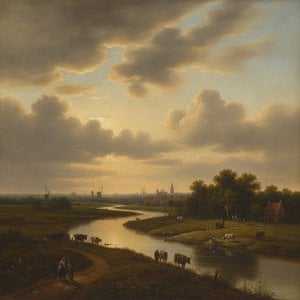
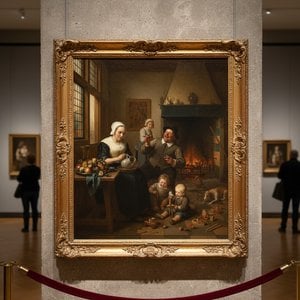
metsu pályafutását nem egyetlen stílus vagy technika követése jellemezte, amiért „rendkívül eklektikus művésznek” is neveztek. Művészete magában foglalta a történelmi festményeket, a stilleket, a portrékat és a genre-műveket is. Érdemes megjegyezni, hogy 133 műve közül mindössze 14 datálható, ami rengeteg felfedezésre váró titkot rejtet magában a kreatív folyamatáról.
- rembrandt van rijn hatása metsu korai munkáin egyértelműen látható, különösen a fény és a szín használatában.
- metsu 1655-ös amsterdami áttelepedése jelentős fordulatot hozott stílusában, nagyobb hangsúlyt fejtve a lakótéri enterierekre és a hétköznapi jelenetekre.
- michiel van musscher és joost van geel tanítása az művész közösség iránti elkötelezettségét tükrözi.
**kiemelt művek és örölegység**
metsu festményeiben gyakran találkozhatunk fiatal nőkkel, piaci jelenetekkel és idős emberekkel, a népszerű szimbolumok (emblemák) segítségével mesélve. Egy kiemelkedő példa erre
a csirkeeladó, amely remekül mutatja be szimbolizmusának használatát.
főbb művek: **múzeumok és gyűjtemények**
metsu művei számos múzeumban megtalálhatóak, többek között az amsterdami rijksmuseumban. További információk a művészete kapcsán, valamint más holland aranykorbeli festők felfedezéséhez látogasson el a /en/art/show/art-d3c627-en/ oldalra a teljes körű áttekintésért.
**konklúzió:** gabriel metsu élete és művészete a holland aranykor innovatív szellemiségének bizonyítéka. Eklektikus stílusa, bár néha rejtélyes, maradandót hagyott a művészet világában. Ahogy tovább feltárjuk életét és munkásságát, emlékeztet minket arra a mély hatásra, amelyet a nyugati művészet fejlődésében gyakorolt.
- a holland aranykor mélyebb megértéséhez tekintse meg a [https://en.wikipedia.org/wiki/dutch_golden_age_painting](https://en.wikipedia.org/wiki/dutch_golden_age_painting) oldalt.
- fedezze fel metsu további műveit és kortársaiét a [https://WahooArt.com/@/gabriel-metsu](https://WahooArt.com/@/gabriel-metsu) oldalon.
**referenciák:**



 Előnézet
 Kézzel festett másolat vásárlása
 Megosztás
 Megosztás
 Részletek
 Útmutató

 Letöltés
 Hasonló darabok
 X-ray felvétel
 Diavetítés
 Statisztika

 Tovább olvasom






































 Az üvegkeretes opció csak 110 cm alatti méretben érhető el