Művész életrajza
Magdalena Carmen Frida Kahlo y Calderón: A fájdalom és a szenvedély művésznője
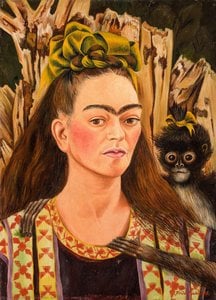
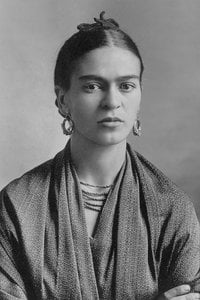
Frida Kahlo, teljes nevén Magdalena Carmen Frieda Kahlo y Calderón, nem csupán festőnő volt; ő egy szellemi erő, egy lázadó lélek, akinek élete elválaszthatatlanul összefonódott a művészetével. 1907. július 6-án született Coyoacánban, Mexikóvárosban, sorsa a fizikai szenvedés és az érzelmi viharok árnyékában zajlott le, melyek végül is azokat az intenzív, személyes és szimbolikus képeket táplálták, amelyekért ma világszerte elismerik. Apja, Guillermo Kahlo, német-mexikói fotóművész már korán felfedezte lánya intellektuális kíváncsiságát és művészi hajlamait. Frida gyermekkora azonban betegségekkel terhelt volt; hatévesen polioban betegedett meg, ami tartósan sérült lábhoz vezetett és befolyásolta fizikai fejlődését. Ez a korai találkozás a sérülékenységgel és a korlátozással visszatérő motívum lett munkásságában, formálva látásmódját a testtel, a fájdalommal és az ellenállóképességgel kapcsolatban. Még a tragikus baleset előtt is Frida élesen tudta felismerni saját fizikalitását és annak szerves törékenységét.
A megsemmisült test, a virágzó művészet
1925-ben, mindössze tizennyolc éves korában Frida életét örökre megváltoztatta egy rettenetes buszbaleset. A baleset során súlyos sérüléseket szenvedett – törött gerince, medencecsontja és lába között többek között. Hosszú időre ágybeteg lett, gyakran gipszből volt körülvéve, ekkor fordult befelé, a festészetben találva vigaszt és kifejezést. Édesanyja egy speciális állványt készített neki, hogy fekvő helyzetből is tudjon festeni, átváltoztatva fizikai korlátainak szűkét művészi felfedezés terévé. Ezalatt kezdte el intenzíven a portréfestészetet. Képtelen volt kilépni a világba, ezért a saját képére fordította figyelmét, aprólékosan dokumentálva önmagát, mint egy módját a fájdalom – fizikai és érzelmi – megértésének és szembenézésének. Ezek a korai művek nem csupán az arcképének ábrázolásai voltak; ők voltak a lélek mélyreható feltárásai, a sérülékenység és az emberi szellem kitartó erejének vizuális megtestesítői. A baleset nem csupán tragédia volt; ez egy katalizátor, amely feloldotta művészi potenciálját, kényszerítve őt arra, hogy szembenézzen a saját halandóságával és értelmet találjon a szenvedésben.
Egy viharos kapcsolat és a művészi kibontakozás
Frida élete új fordulatot vett 1929-ben, amikor Diego Riverával, a híres mexikói freskófestővel házasságot kötött. Kapcsolatuk szenvedélyes, de viharos volt, tele intenzív szeretettel, hűtlenséggel, művészi versengéssel és elválásokkal, majd kibékülésekkel. A lelki turbulenciák ellenére Rivera jelentős hatással volt Frida művészi fejlődésére. Bátorította egyedi látásmódját, konstruktív kritikát nyújtva, miközben felismerte munkásságának nyers erejét és eredetiségét. Vezetésével, valamint saját kitartó kísérletezései révén Frida stílusa kezdett kristályosodni, elegyítve a mexikói népművészet, a realizmus és a szürrealizmus elemeit egyedi vizuális nyelven. Festményei egyre inkább szimbolikusak lettek, témákat feltárva az identitásról, az emberi testről, a fájdalomról, a halálról és a női tapasztalatok összetettségéről. Nem riadt vissza attól, hogy saját szenvedését ábrázolja; ehelyett elfogadta azt mint központi témát munkásságában, személyes traumáit az emberi állapot univerzális kijelentéseivé alakítva át.
Szenvedés, ellenállóképesség és identitás szimbólumai
Frida Kahlo talán leginkább önarcképeiről ismert, amelyek nyers őszinteségükkel és szimbolikus mélységükkel hívják fel a figyelmet. Ilyen például A két Frida (1939), mely a kettős identitását ábrázolja a Riverával való válása után, lenyűgöző vizuális metaforákkal. Önarckép tüskés nyakkendővel és kolibrival (1940) tele van szimbólumokkal – a tüskék a fájdalmat jelképezik, a kolibri a reményt és az ellenállóképességet, a fekete macska pedig a szerencsétlenség hírnökeként szolgál. A törött oszlop (1944), mely fizikai szenvedésének megdöbbentő ábrázolása, Frida törzsét feltárja, ahol egy omladozó jónai oszlop helyettesíti a gerincét, amely szalagokkal van összekötve és szögekkel átlyukadva. Még Henry Ford Hospital (1932) is, mely a vetélésének nyers és mélyen személyes ábrázolása, mutatja meg hajlandóságát tabu témák szembenézésére könyörtelen őszinteséggel. Ezek a festmények nem csupán fájdalom ábrázolásai; ők az ellenállás aktusai, önmagának kijelentései a nehézségekkel szemben.
Egy tartós örökség
Frida Kahlo hatása messze túlmutat a művészet határain. Ő egy kulturális ikon volt, aki életével és munkájával megkérdőjelezte a hagyományos nemi szerepeket és társadalmi elvárásokat. Mexikói kultúrájának és identitásának elfogadása hozzájárult ahhoz, hogy az ország profilja a nemzetközi színtéren felíveljen, és ábrázolása a fájdalomról világszerte rezonált a közönséggel, szimbólummá válva az ellenállóképességnek és az erőnek. Fontos alak volt a chicano művészek számára az Egyesült Államokban, akik kulturális örökségüket és küzdelmeiket képviselte. Bár elutasította, hogy kizárólag szürrealistaként sorolják be, munkássága rokonságot mutat a mozgalom tudatalatti és álomszerű képeinek felfedezésével. Ma Frida Kahlo az egyik legfontosabb művésznek számít a 20. században, akinek öröksége továbbra is generációkra inspirálja az embereket arra, hogy elfogadják identitásukat, szembenézzenek az adósággal és hitelesen fejezzék ki magukat. Művészete emlékeztet minket az emberi szellem kitartó erejére, amely szépséget és értelmet talál még a legszörnyűbb időkben is.



 Előnézet
 Váltás nyomtatványra
 Megosztás
 Megosztás
 Részletek
 Útmutató

 Letöltés
 Hasonló darabok
 X-ray felvétel
 Diavetítés
 Statisztika


 Tovább olvasom