Művész életrajza
A Chronicler of the Vanishing West: The Life and Art of Frederic Remington
Frederic Sackrider Remington, született 1861. október 4-én a New York államban található Cantonban, nem volt azokkal az emberekkel, akiknek művészetét ábrázolta; inkább egy keleti ember volt, aki az Eastern-ről formálta meg a művészi identitását a nyugati táj fantaszmájával és szorgalmas tanulmányozásával. A családi háttere sokkal távolabb volt a porrázott ösvényektől és a huszadik lovassági egységektől, mint ahogy azt ábrázolta – a francia-baszk örökség keveredett a szuprematista republikán gyökerekkel, egy apai kolonella és újságíróval, valamint a Remington Arms gyár dinasztiájának távoli rokonaival. Ugyanakkor az korai katonai témákra való kitűzése, párosulva egy fáradhatatlan szellemmel és egy mesterséges szemmel, elvezette őt egy művész letté válás útján, ami valószínűleg a legismertebb amerikai nyugati művészt jelenti. Gyermekkora Bloomingtonban kezdődött, majd visszatért Cantoni, végül Ogdensburgba, New Yorkba, de képzelete továbbra is elragadtatott a vadnyugat történeteiről. Bár eleinte katonai tanulmányokra irányították, a Vermont Anglikán Főiskolában, Remington igazi hivatása nem az utasítások követésében, hanem az körülöttük lévő világ megfigyelésében és értelmezésében volt az művészet által. Egy rövid időtartamú tartózkodás Yale Egyetemen megerősítette ezt; a foci és a rajzolás sokkal vonzóbb volt, mint a formális tudományos foglalkozások.
Illusztrátorból festővé: A művészi látomás megteremtése
Remington művészi útja nem nagy vászonokkal kezdődött, hanem tollal és papírral. Első publikált munkája, egy rajz a *Yale Courant* című folyóiratban jelezte korai képességeit az akció és történet megörökítésében. Egy kulcsfontosságú utazás Montana-ba 1881-ben élesztette végzetes szenvedélyét a nyugatról. Ez nem csupán egy turista pillantása volt; Remington célja, hogy elmerüljön a kultúrában, megfigyelje a cowboyokat, az indiánokat és a tájat is. Kezdetben lovarda és bányászati vállalkozásokat próbált, de ezek nem bizonyultak sikeresnek, szabadon engedve magát a művészet teljes odaadott tanulmányozására. Visszatérve keletre, gyorsan eltermett magát egy illusztrátorként *Harper’s Weekly* és *Collier’s* című folyóiratok között, dinamikus képeivel, amelyek a nyugati tájakat ábrázolták, nagy közönség figyelmét vonva a vadnyugat történeteire. Ezek az illusztrációk nem csupán riportok voltak; azokban töltötték el magukat a drámával, energiával és egy romantikusabb látásmóddal a nyugatról, ami mélyen resonált a közönség képzeletében. Éppen ezen a munkán keresztül Remington finomította készségeit a kompozícióban, mozgás megörökítésében és érzelmek kifejezésében – tulajdonságok, amelyek később meghatározták festményeit. Formális művészeti képzést kapott csak a Yale Egyetemén, és egy rövid időtartamú tanulmányozást a New York Art Students League-ben, hanem egyedülálló stílusát fejlesztette ki, ami dinamikus ecsetvonásokkal, merőleges színeivel és a realisztikus megjelenés hangsúlyozásával jellemezhető.
A múló világ dokumentuma: Témák és Stílusz
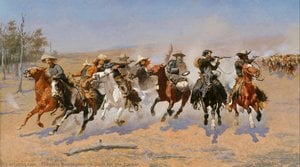
Remington művészete szorosan kapcsolódik egy meghatározott időszakhoz az amerikai történelemben – a vadnyugat hanyatt esésének pillanatához. Festményei tele vannak ikonikus alakokkal: vad cowboyok, akik lovaglás közben haladnak, stoikus indiánok, akik elűzetettek, és az USA huszadik lovassági egységei, amelyek mind hős csatákban, mind tragikus konfliktusokban részt vesznek. Nem riet meg a vadnyugat valóságának ábrázolásában, de művve gyakran egy romantikusabb ábrázolásra támaszkodik, hangsúlyozva a bátorságot, az izgalmat és a kultúrák összeütközését. Műveik nem csupán történelmi dokumentumok; hanem évkönyvek, amelyek feltárják a nyugatról szóló mítoszokat, legendákat és örök érvényű vonzalmát. Remington stílusa az idők során fejlődött, szorosabb, tudományosbb ábrázolásokról lazább, expresszív ecsetvonásokra változott. Egy kiváló mozgásmester volt – lovak zúgása a síkságokon, cowboyok és szarvasmarzatok harca. Gyakran gyors rajzleteket és fényképeket használt referenciaként, de művve mindig túltolt az egyszerű másoláson, egyedi látásmóddal és érzelmi intenzitással teli volt. Bemutatott alkotások, mint például *My Ranch*, *Waiting in the Moonlight*, *Ridden Down* (1905) és *The Long-Horn Cattle Sign* (1908) példák az képességére a mozgás megörökítésében és a nyugati amerikai táj szépségének és gyengeségének ábrázolására.
A végzetes utazás: A művész életét formáló események
Remington élete nem volt egy sima út; a családja, a származása és az élete korai évei mind hozzájárultak a művészi hivatásához. Édesapja, Seth Pierre Remington, egy újságíró és újságkiadó volt, aki a Civil Harcban kolonella szolgált. A fiatal Frederic számára a harci témák és a katonai képek voltak az inspiráció forrása. Az édesanyja, Clara Bascomb Sackrider, egy szigorú New Englandi konzervatív volt, aki nem támogatta a művészetet. Remington gyermekkorának nagy részét Bloomingtonban töltötte, majd visszatért Cantoni és végül Ogdensburgba, New Yorkba, de képzelete továbbra is elragadtatott a vadnyugat történeteiről. Bár eleinte katonai tanulmányokra irányították, Remington igazi hivatása nem az utasítások követésében, hanem az körülöttük lévő világ megfigyelésében és értelmezésében volt. Egy rövid időtartamú tartózkodás Yale Egyetemen megerősítette ezt; a foci és a rajzolás sokkal vonzóbb volt, mint a formális tudományos foglalkozások.
A művész útja: A művészi látomás megteremtése
Remington művészi útja nem nagy vászonokkal kezdődött, hanem tollal és papírral. Első publikált munkája, egy rajz a *Yale Courant* című folyóiratban jelezte korai képességeit az akció és történet megörökítésében. Egy kulcsfontosságú utazás Montana-ba 1881-ben élesztette végzetes szenvedélyét a nyugatról. Ez nem csupán egy turista pillantása volt; Remington célja, hogy elmerüljön a kultúrában, megfigyelje a cowboyokat, az indiánokat és a tájat is. Kezdetben lovarda és bányászati vállalkozásokat próbált, de ezek nem bizonyultak sikeresnek, szabadon engedve magát a művészet teljes odaadott tanulmányozására. Visszatérve keletre, gyorsan eltermett magát egy illusztrátorként *Harper’s Weekly* és *Collier’s* című folyóiratok között, dinamikus képeivel, amelyek a nyugati tájakat ábrázolták, nagy közönség figyelmét vonva a vadnyugat történeteire. Ezek az illusztrációk nem csupán riport



 Előnézet
 Váltás nyomtatványra
 Megosztás
 Megosztás
 Részletek
 Útmutató

 Letöltés
 Hasonló darabok
 X-ray felvétel
 Diavetítés
 Statisztika


 Tovább olvasom