Előnézet AR előnézet Kézzel festett másolat vásárlása Áttérés digitális képre Megosztás
Részletek Útmutató Kedvencekhez ad Letöltés Hasonló darabok X-ray felvétel Diavetítés Statisztika

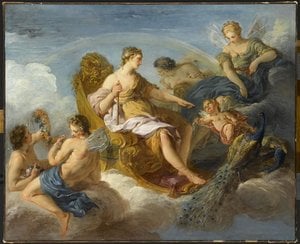
The Bather

Admire François Lemoyne's 'The Bather,' a captivating Rococo masterpiece showcasing classical beauty and serene landscapes. Explore the artistry & details of this iconic Hermitage Museum painting.

Lemoyne (1688-1737): Párizsi rokokó festőművész, aki nagyszabású allegóriákat élesztett fel! Fedezze fel a Rococo eleganciáját és a barokk pompát!

Giclée / Műnyomat

Múzeumi minőségű giclée vagy vászonnyomat, gyors gyártással és rugalmas finomítási lehetőségekkel. ( Kézzel festett másolat vásárlása Áttérés digitális képre)

Corner sample of the P118B picture frame: formázott polisztirol, 5 cm wide and 3 cm thick
P118B Ft10
Corner sample of the P118H picture frame: formázott polisztirol, 5 cm wide and 3 cm thick
P118H Ft10
Corner sample of the P118W picture frame: formázott polisztirol, 5 cm wide and 3 cm thick
P118W Ft10
Corner sample of the P438Z picture frame: formázott polisztirol, 5.5 cm wide and 3.5 cm thick
P438Z Ft10
Corner sample of the P508JH picture frame: formázott polisztirol, 7 cm wide and 3.5 cm thick
P508JH Ft12
Corner sample of the P508YH picture frame: formázott polisztirol, 7 cm wide and 3.5 cm thick
P508YH Ft12
Corner sample of the P805H picture frame: formázott polisztirol, 5 cm wide and 3.5 cm thick
P805H Ft10
Corner sample of the P805Z picture frame: formázott polisztirol, 5 cm wide and 3.5 cm thick
P805Z Ft10
Corner sample of the P919BZ picture frame: formázott polisztirol, 7 cm wide and 3.5 cm thick
P919BZ Ft10
Corner sample of the P919G picture frame: formázott polisztirol, 7 cm wide and 3.5 cm thick
P919G Ft10
Corner sample of the P919XJ picture frame: formázott polisztirol, 7 cm wide and 3.5 cm thick
P919XJ Ft10
Corner sample of the P959ZH picture frame: formázott polisztirol, 5 cm wide and 3 cm thick
P959ZH Ft10
Corner sample of the P968JZ picture frame: formázott polisztirol, 6 cm wide and 4 cm thick
P968JZ Ft12
Corner sample of the W106C picture frame: tömörfa, 5 cm wide and 3 cm thick
W106C Ft8
Corner sample of the W218G picture frame: tömörfa, 5 cm wide and 3 cm thick
W218G Ft10
Corner sample of the W218JH picture frame: tömörfa, 5 cm wide and 3 cm thick
W218JH Ft8
Corner sample of the W218Y picture frame: tömörfa, 5 cm wide and 3 cm thick
W218Y Ft10
Corner sample of the W307PJ picture frame: tömörfa, 6 cm wide and 3 cm thick
W307PJ Ft10
Corner sample of the W316G picture frame: tömörfa, 6 cm wide and 3 cm thick
W316G Ft10
Corner sample of the W316PJ picture frame: tömörfa, 6 cm wide and 3 cm thick
W316PJ Ft8
Corner sample of the W316Y picture frame: tömörfa, 6 cm wide and 3 cm thick
W316Y Ft10
Corner sample of the W398PJ picture frame: tömörfa, 5 cm wide and 3 cm thick
W398PJ Ft8
Corner sample of the W4111J picture frame: tömörfa, 6.5 cm wide and 3.5 cm thick
W4111J Ft10
Corner sample of the W500HY picture frame: tömörfa, 7 cm wide and 5 cm thick
W500HY Ft15
Corner sample of the W500JH picture frame: tömörfa, 7 cm wide and 5 cm thick
W500JH Ft15
Corner sample of the W692G picture frame: tömörfa, 8 cm wide and 4 cm thick
W692G Ft12
Corner sample of the W849H picture frame: tömörfa, 5 cm wide and 3 cm thick
W849H Ft8
Corner sample of the W940BG picture frame: tömörfa, 7.5 cm wide and 4.5 cm thick
W940BG Ft15
Corner sample of the W953PJ picture frame: tömörfa, 6 cm wide and 3.5 cm thick
W953PJ Ft8

Standard méret
egyedi
CM
INCH

Válasszon előre meghatározott méreteink közül, amelyek megfelelnek a műalkotás eredeti arányainak.

szélesség
magasság

Írja be a keretének vagy a falának megfelelő szélességet és magasságot. A nyomatot csak le lehet vágni, soha nem tehető nagyobbá, mint az eredeti kép, így egy eltérő alakú méretnél a kép egy része elveszik. Mielőtt bármit kinyatintanánk, küldünk egy digitális próbamodellt jóváhagyásra. Az oldalon látható kép nem tartalmazza a valós levágást — ezt csak a próbamodell mutatja meg.

Világszerte történő kiszállítás területére mindössze 2 hét alatt, a szokásos 4-5 hét helyett. (23 október)

Ingyenes globális expressz szállítás
Prémium minőségű len vászon
Teljes körű szállítási biztosítás
Vámvisszatérítési Garancia
Tökéletes színarányosság garancia
100 napos visszaküldési garancia (csak gyártási hibás termékek esetén)
100% pénzvisszatérítési garancia
Több darab vásárlásakor kedvezmény

Összesített ár

Ft 21860

The Bather

Giclée / Műnyomat

Reprodukció méretei

-

Összesített ár

Ft 21860

Rövid tények

  • Subject or theme: Nude bathing scene
  • Artist: François Lemoyne
  • Movement: Rococo
  • Medium: Oil on canvas
  • Dimensions: 137 x 105 cm

Művészeti kvíz

Minden kérdésre csak egy helyes válasz létezik.

Kérdés 1:
What artistic movement is most closely associated with François Lemoyne’s ‘The Bather’?
Kérdés 2:
In the painting 'The Bather', what is depicted in the background landscape?
Kérdés 3:
According to the description, what is a key characteristic of Lemoyne’s style as demonstrated in ‘The Bather’?
Kérdés 4:
What year was François Lemoyne born?
Kérdés 5:
The painting ‘The Bather’ is housed in which museum?

François Lemoyne’s “The Bather”: A Baroque Embrace of Form and Nature

François Lemoyne's "The Bather," housed within the venerable halls of the Hermitage Museum in St. Petersburg, is more than a simple depiction of two women enjoying a tranquil moment; it’s a masterful distillation of 18th-century Rococo aesthetics, imbued with the grandeur and intellectual depth sought by its creator. Painted around the mid-1720s, this oil on canvas work offers a glimpse into a world where classical ideals intertwined with the burgeoning sensuality of the era, showcasing Lemoyne’s skill in capturing both human form and the harmonious relationship between figure and landscape.

Lemoyne, born in Paris in 1688, was a dedicated revivalist. He sought to resurrect the monumental allegorical paintings that had fallen out of favor since the time of Charles Le Brun, viewing himself as a worthy successor to this illustrious tradition. Unlike mere decorative works, Lemoyne aimed for pieces possessing significant intellectual weight and emotional resonance – a reflection of the complex spirit of the Rococo period while simultaneously drawing upon the stability and balance of classical art. The painting’s composition immediately establishes this duality; the figures are presented within a carefully constructed natural setting, yet their poses and gazes convey a subtle interplay of observation and intimacy.

A Study in Drapery and Light

The immediate impact of “The Bather” lies in its exquisite rendering of form and texture. Lemoyne’s mastery of drapery is particularly noteworthy. The flowing garments enveloping the figures are not merely decorative; they actively contribute to the sense of movement and life within the scene. Each fold, pleat, and drape appears sculpted with meticulous detail, suggesting a tactile quality that invites the viewer to almost reach out and feel the fabric’s weight and texture. This is further enhanced by Lemoyne's skillful use of light and shadow – a hallmark of Baroque technique—which models the curves of the bodies and creates a sense of depth within the landscape.

The background, depicting a serene woodland scene with trees and foliage rendered in soft blues and greens, provides a tranquil counterpoint to the figures. The sky, dotted with clouds, reinforces this atmosphere of peaceful contemplation. Notice how Lemoyne subtly integrates the natural elements into the composition; the branches of the trees frame the women, creating a sense of enclosure and intimacy while simultaneously emphasizing their connection to the surrounding environment. Research reveals that Lemoyne’s time in Venice and Rome profoundly influenced his approach, evident in the vibrant local colors used to depict the foliage – a departure from the more muted palettes often favored in Parisian art at the time.

Symbolism and the Rococo Ideal

While seemingly simple in its subject matter, “The Bather” is rich in symbolic potential. The act of bathing itself held multiple meanings during the 18th century – representing purification, renewal, and a connection to nature. The two women, positioned in close proximity yet engaged in distinct activities, invite speculation about their relationship. One appears to be lost in thought, while the other observes her companion with a gentle curiosity. This subtle dynamic speaks to the complexities of human interaction and the enduring fascination with the mysteries of the female psyche – themes frequently explored within the Rococo style.

The painting’s overall mood is one of understated elegance and quiet beauty. It's a testament to Lemoyne’s ability to capture not just the physical likeness of his subjects, but also their inner lives—a skill that cemented his place as a significant figure in the transition from Baroque formality to the more playful sensibilities of the Rococo era. WahooArt offers meticulously crafted hand-painted reproductions that faithfully recreate this exquisite work, allowing you to experience its timeless beauty and intellectual depth firsthand.

Bringing “The Bather” Home

Reproductions of "The Bather" by WahooArt are available in a range of sizes, ensuring that you can find the perfect piece to complement your interior design. Whether adorning a formal salon or adding a touch of classical grace to a more casual space, this painting’s serene beauty and masterful technique will undoubtedly captivate viewers for years to come. Explore our collection today and bring a touch of 18th-century French artistry into your home.

Gyakran Ismételt Kérdések

Melyik szín tűnik ki leginkább a(z) "The Bather" alkotásból?

A „The Bather”, Lemoyne (François) alkotása domináns színe a Espresso (#5a4933).

Milyen színpalettát és milyen érzést ötvöz a "The Bather"?

A „The Bather”, Lemoyne (François) alkotása Earthy palettája harmonikában van Tranquil érzelmi hangulatával. A szín az egyik módja annak, ahogyan egy mű érzelmeket közvetít.

A "The Bather" alkotója honában található-e?

Nem – a műtárgy külföldön található. Lemoyne (François) születési országa Franciaország, a „The Bather” eredeti művét pedig Russia-ban tároló múzeum található.


A művész életrajza

Párizsi Örökség a Rokoko Bársonyában

François Lemoyne, akinek nevét talán nem olyan azonnal ismerik, mint kortársaiét, Boucheré vagy Watteaué, mégis jelentős helyet foglal el a 18. századi francia művészet szöveteiben. 1688-ban Párizsban született, Lemoyne egész életét annak szentelte, hogy visszaállítsa a nagyméretű allegorikus festészet fényét – egy olyan hagyományt, amely Charles Le Brun korában kissé elhalványult. Ambíciója nem csupán dekorálni volt, hanem olyan műveket alkotni, amelyek intellektuális súllyal és érzelmi rezonanciával bírnak, tükrözve a rokoko szellemiségének komplexitását, miközben visszhangozik egy klasszikusabb ideál felé. Korai tanulmányait Robert le Vrachel stepfatherénél kezdte, majd a királyi festészeti és szobrászati akadémia szigorú környezetében folytatta, ahol Lemoyne kitartást mutatott a művészi kifejezés mellett a technikai tudás elsajátításában. Louis Galloche-val és Pierre-Jacques Cazes-szal való formális tanulmányai is meghatározóak voltak, különösen a színárnyalatok finom megértésének kialakulásában – egy olyan jellegzetesség, amely egész karrierje során kiemelkedett. A 1711-es elnyert Prix de Rome fordulópontot jelentett, bár a pénzügyi nehézségek kezdetben késleltették az Olaszországba való útját; egy utat, amelyet végül François Berger kíséretében tett meg 1723-ban.

Olasz Visszhangok és Rokoko Virágzása

Az olaszországi tartózkodás Lemoyne számára átalakító élményt jelentett. Merülésbe ringatózott a reneszánsz mesterek, mint Raphael, Correggio és Titian munkái között, elsajátítva technikájukat és esztétikai elveiket, gazdagítva ezzel művészi szókincsét. Azonban Peter Paul Rubens dinamikus energiája volt az, ami igazán mély nyomot hagyott a stílusában – ez megnyilvánul a vibráló színpalettájában és drámai kompozícióiban. A Pierre Crozat híres gyűjteményében található velencei festményekhez való hozzáférés tovább finomította az ízlését, elősegítve a gazdag textúrák és atmoszférikus hatások iránti szeretetet. Ezek az elemek egyedi rokoko esztétikába olvadtak össze, amelyet elegancia, díszítés és a dekoratív szépségre összpontosítás jellemezett. Lemoyne azonban soha nem hagyta el teljesen azt a nagyságos narratívát, amely a korábbi francia akadémiai festészetet meghatározta; arra törekedett, hogy ezeknek a látszólag eltérő elemeket szintézisezze – a rokoko könnyedségét és kecsességét a klasszikus hagyomány intellektuális rigorával. Ez az egyedi keverék különbözteti meg munkáit, és hozzájárul a tartós vonzáshoz.

Versailles és Királyi Elismerés

Lemoyne művészi tehetsége legspectakulárisabb formában a versailles-i palota Salon d’Hercule-jában található monumentális mennyezetfreskóiban nyilvánult meg, különösen L'Apothéose d'Hercule (Hércules apotheozisa) címűben. Ez a remekmű – illuzionisztikus technikák és dinamikus kompozíciók káprázatos bemutatója – azonnal széleskörű elismerést szerzett. Kortársai, mint Voltaire és Cardinal Fleury dicsérték briliáns képességeit, felismerve Lemoyne-t a mesterek között. Versailles mellett jelentős vallási megbízásokat is vállalt, mint például A transzfiguráció a Jacobin templom (ma Szent Tamás d’Aquin plébániatemploma) kórsorában, bizonyítva sokoldalúságát és képességét alkalmazkodni különböző témákhoz. 1736-ban Lemoyne karrierének csúcspontját érte el azzal, hogy Louis XV király Premier peintre du roi (a király első festője) címét kapta – a művészi eredményei és a francia udvarban betöltött helye tanúsága.

Tragikus Végezet és Tartós Hatás

Ennyire magas szinteket elért dacára Lemoyne élete tragikusan korán véget ért az öngyilkosságával 1737-ben. Korai halálának nemcsak személyes veszteség volt a következménye, hanem a művészi ízlés változásának jele is; egybeesett az általa lelkesen képviselt nagyméretű allegorikus mennyezetfreskók népszerűségének hanyatlásával. Mégis, öröksége diákjai révén élt tovább, köztük olyan kiemelkedő művészek, mint Charles-Joseph Natoire és François Boucher, akiknek tudását és készségeit átadta. Bár talán napjainkban nem olyan széles körben ünnepelt, mint néhány kortársa, Lemoyne hozzájárulása a francia rokoko művészetéhez egyre inkább elismerést nyer technikai mesterségéért, művészi ambíciójáért és a klasszikus ideálok és az adott korra jellemző esztétikai érzékenységek egyedi szintéziséért. Művei tanúbizonysága egy odaadó művésznek, aki arra törekedett, hogy a festészetet a lehető legmagasabb formájára emelje – egy örökség, amely évszázadok óta továbbra is inspirálja és lenyűgözi a közönséget.

Főbb Művek és Művészi Hozzájárulások

  • Mennyezetfreskók: Lemoyne leghíresebb alkotásai, amelyek a L'Apothéose d'Hercule-t példaként hozva, illuzionisztikus technikáinak és dinamikus kompozícióinak mesterségét mutatják be.
  • Mitológiai jelenetek: Olyan művek, mint a Herkules és Omphale, azt bizonyítják, hogy képes klasszikus történeteket ábrázolni drámai intenzitással és érzéki kecséggel.
  • Vallási képek: A A transzfiguráció példája annak, hogyan tudja érzelmi mélységet és technikai pontosságot kölcsönözni vallási témáknak.
  • Portrék: Louis XV királyának fejrészét ábrázoló portréja finom megértést mutat a karakterről és a pasztell technikák iránti mesterségről.

Lemoyne (François)

Lemoyne (François)

1688 - 1737 , Franciaország

Gyors információk

  • Halálozási Dátum: 1737
  • Jelentős Művek:
    • Hérkules apotheozisa
    • Hérkules és Omphale
    • Perzeusz és Andromeda
    • XIV. Lajos király portréja
    • A megtestesedés
  • Kik Befolyásolva Lettek:
    • Natoire
    • Boucher
  • Mely Művészetek Befolyásolták:
    • Rubens
    • Raphael
    • Correggio
    • Titian
    • Cazes
  • Művészeti Irányzat: Rokoló
  • Nemzetiség: Francia
  • Születési Dátum: 1688
  • Születési Hely: Párizs, Franciaország
  • Teljes Név: François Lemoyne