Egy élet a mélyben
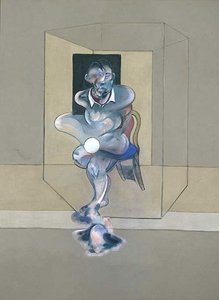
Francis Bacon, a huszadik századi művészet legmélyebb érzelmekkel teli képviselője 1909-ben született Dublinban, Írországban. Bár gyermekkora nem volt zökkenőmentes – anyja egészségi állapota miatt gyakori költözésekre kényszerültek –, éppen ez a bizonytalanság formálta mélyen világnézetét, és végül áthatotta vásznait. Komplikált kapcsolata szigorú apjával és szoros kötődése Jessie Lightfoot dajnájához tovább színesítette alakuló éveinek érzelmi táját. Kezdetben a lóversenyek és a szerencsejáték világa vonzotta, mielőtt végül húszas évei végén fordult volna teljes odaadással a festészet felé – egy késői kezdés, amely talán még inkább felerősítette későbbi munkáinak sürgető erejét. Nem tanult formálisan, hanem saját útját járta, sokféle forrásból merített inspirációt, és egyedülállóan nyugtalanító vizuális nyelvet fejlesztett ki.
A korai hatások üstje
Bacon művészi ébredése nem volt azonnali, hanem inkább fokozatos benyomások kumulációja volt. Pablo Picasso munkái, különösen a kubista korszakának torzított alakjai kulcsfontosságúak voltak abban, hogy felszabadítsa magát a hagyományos ábrázolástól. Egon Schiele kísérteties fotográfiája is inspirációt nyújtott neki, amelynek expresszív emberi forma-torzulásai rezonáltak Bacon növekvő érdeklődésével az élet törékenysége és sérülékenysége iránt. Azonban egy véletlen találkozás Szergej Eisenstein *Potemkin páncélhajója* című filmjével hozott kulcsfontosságú katalizátort. A film nyers képei, különösen egy sikolyzó arc közeli felvétele, Bacon munkájának tartós motívumává vált, az emberi szenvedés mélységeit és a benne rejlő ősi félelmet szimbolizálva. Emellett nagyra becsülte a régi mestereket, nevezetesen Diego Velázquez-et, akinek *Innocent X pápa portréjá*t híresen újraértelmezte pályafutása során, az autoritás tekintélyes alakját gyötrelmes szellemmé változtatva. Ezek a hatások nem csupán stiláris átvételek voltak; Bacon saját egyedi érzékenységén keresztül abszorbeálódtak és transzformálódtak, ami mélységesen személyes és univerzálisan rezonáns művészi látásmódot eredményezet.
Egy jellegzetes stílus kovácsolása: torzulás és elszigeteltség
Bacon áttörése 1944-ben történt a *Három tanulmány egy keresztre feszítés alapján* című művével, amely sokkolta és megragadta a háború utáni London közönségét. Ez a triptichon megalapozta Bacon jellegzetes stílusát – torzított, szétszakadt alakokat claustrofóbikus terekben elszigetelve. Ezek nem a vallási mártírság ábrázolásai voltak, hanem az emberi szenvedés nyers felfedezései, megfosztva minden vigasztaló narratívától vagy lelki megnyugtatástól. Festményei gyakran elmosódott vagy feloldódó formákat tartalmaznak, amelyek pszichológiai zűrzavart és fizikai sérülékenységet közvetítenek. Gyakran használt geometriai struktúrákat – ketreceket, dobozokat – a tárgyainak korlátozására, hangsúlyozva elszigeteltségüket és tehetetlenységüket. Bacon palettája tipikusan tompított és komor volt, tükrözve az általa feltárt sötét témákat, bár intenzív színek kitörései fokozta az érzelmi hatást. Ezeknek a ketreceknek a használata nem csupán kompozíciós eszköz volt; szimbolizálta az emberi létezésre szabott korlátokat és kényszereket. Arra törekedett, hogy ne csak azt ragadja meg, *hogyan* néznek ki a dolgok, hanem *milyen érzést* keltenek, fordítva a szorongás, a félelem és a kétségbeesés belső állapotait vásznakra brutális őszinteséggel.
A halál, a szenvedés és az emberi létezés témái
Prolifikus pályafutása során Bacon ismételten visszatért bizonyos motívumokhoz: a keresztre feszítés mint a szenvedés szimbóluma; portrék, amelyek elmélyültek a tárgyaik pszichológiai intenzitásában, gyakran barátaik és szeretteik, például George Dyer; és önarcképek, amelyek az identitás és a halál introspektív felfedezései voltak. A *Velázquez pápa portréja után* (1953) sorozata talán egyik legikonikusabb alkotása, Velázquez méltóságteljes portréját sikolyó apparícióvá alakítva, a lét egzisztenciális borzalmát megtestesítve. George Dyer portréi különösen meghatóak, rögzítve kapcsolatuk intenzitását és a közelgő tragédia árnyékát. Bacon munkája nem specifikus egyének ábrázolásáról szólt; az emberi sérülékenység, elszigeteltség és a halál elkerülhetetlenségének univerzális témáinak felfedezéséről volt. Nem kerüli a létezés sötét oldalát, hanem szembe szembeszállt vele, kényszerítve a nézőket arra, hogy szembenézzék saját halandóságukat és szorongásaikat.
Tartós örökség: A konvenciók megkérdőjelezése
Francis Bacon hatása a huszadik századi művészetre vitathatatlan. Megkérdőjelezte a reprezentáció hagyományos fogalmait, elutasítva az idealizált szépséget egy nyers, könyörtelen ábrázolásért az emberi létezésről. Munkája mélyen befolyásolta a művészek generációit, utat nyitva új kifejezési formák számára és kihívva a hagyományos művészeti határokat.
- A háború utáni expresszionizmus: Bacon kulcsfontosságú alakja ennek a mozgalomnak, inspirálva a művészeket merész stílusával és pszichológiai mélységével.
- Aukciós rekordok & Múzeumi kiállítások: Festményei továbbra is magas áron kelnek el aukciókon, és jelentős múzeumokban állítják ki világszerte, megerősítve helyét a művészettörténetben.
- Az igazság szembeállítása: Bacon öröksége abban rejlik annak képességében, hogy szembeszálljon az emberi létezés kényelmetlen igazságaival és átültesse ezeket az élményeket erőteljes és felejthetetlen képekre.
A viharos személyes élete ellenére, amelyet szerencsejáték, ivás és bonyolult kapcsolatok jellemeztek, haláláig odaadó maradt a művészetének. Hátrahagyott munkássága továbbra is rezonál a mai közönséggel, emlékeztetve minket az élet törékenységére és a művészet örök erejére, hogy szembenézzen a lélek legsötétebb sarkával.
Festményei nem csupán képek; nyers élmények – bizonyíték a művészetnek arra való képességéről, hogy provokáljon, zavarjon és végül megvilágítsa az emberi lét bonyolultságát.



 Megtekintés
 Váltás nyomtatványra
 Küldés
 Megosztás
 Részletek
 Útmutató

 Letöltés
 Hasonló darabok
 X-ray felvétel
 Diavetítés
 Statisztika

 Összes részlet megjelenítése






































 Az üvegkeretes opció csak 110 cm alatti méretben érhető el