INGYENES MŰVÉSZETI TANÁCSADÁS

x
Nyomat vásárlása Nyomat vásárlásaKészíttetnék festményként Készíttetnék festményként MegosztásMegosztás
RészletekRészletek Kedvencekhez ad Kedvencekhez ad LetöltésLetöltés Hasonló alkotásokHasonló alkotások X-ray felvételX-ray felvétel DiavetítésDiavetítés

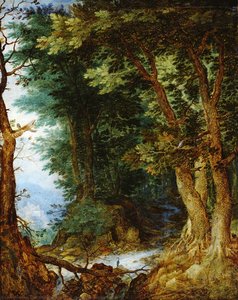
Forest Landscape

Experience the tranquility of nature with Eugène Boudin's "Forest Landscape." This 1856 Impressionist masterpiece captures fleeting light & color through visible brushstrokes.

Boudin Eugène: A francia tengerparti tájak mestere, a szabad levegő festészetének úttörője és az impresszionizmus egyik fontos előfutára. Fedezd fel a fények és árnyékok csodálatos világát!

Vásároljon egy nagy felbontású, javított digitális képet, amely sokkal jobb minőségű, mint az online előnézet.

Minden fájlt szakembereink a legmodernebb eszközök és precíz, kézi retusálás segítségével készítenek el aprólékosan. Gondoskodunk arról, hogy minden kép kivételes tisztasággal, pontos színhelyességgel és részletgazdag finomsággal rendelkezzen.

A végleges fájl 72 órán belül e-mailben megérkezik, professzionális, szerkesztői és nyomtatási környezetbe optimalizálva az azonnali használathoz. Ez ugyanaz a minőség, amelyben a legmeghatározóbb tervezőstúdiók, kiadók és galériák is megbízhatnak.

Digitális alkotás

Töltsön le nagy felbontású fájlt személyes kiállításokhoz, nyomtatáshoz és kreatív projektekhez.

Összesen

$9.99

Minden digitális kép rendeléséhez tartozó extrák

Szakértői digitális kézbesítés, garantáltan

Amikor a WahooArt.com weboldalt választja, nem csupán egy képet kap – professzionálisan felmagasított digitális műalkotást kap, amely precizitással készült, és amelyet megelégsedési gwarancia tesz biztoslássá. Az alábbiakban automatikusan minden benne 】

shipping_icon
Gyors e-mail teslimítés

A nagy felbontású digitális képmásolatát a megrendelést követő 72 órán belül e-mailben elküldjük Önnek – azonnal használható formátumban.

canvas_icon
MI-alapú digitális feldolgozású fájl

Műve professzionális módon kerül optimalizálásra fejlett mesterséges intelligencia eszközök és manuális szerkesztés segítségével, biztosítva a maximális részletességet, tisztaságot és színpontosságot.

insurance_icon
Örök életű ingyenes újradelivery

Véletlenül törölted vagy elvesztetted a fájlodat? Ne aggódj – bármikor ingyenesen újra megküldjük neked.

tax_icon
Nincs importköltség – soha

Élvezze műalkotásait azonnal, vám, illeték vagy szállítási költség nélkül – a digitális letöltések mindig adamentesek.

color_icon
Színpontosság Garancia

Professzionális eszközök és színkezelés segítségével garantáljuk, hogy digitális képe a lehető legpontosabban tükrözze az eredeti színeket.

return_icon
60 napos elégedettségi garancia

Ha nemມີ elégedett a digitális képpel, 60 napon belül átmunkáljuk azt, vagy 100% visszatérítjük az amountot – kérdés nélkül.

guarantee_icon
100% Pénzvisszatérítési garancia

Nem érheted el a teljes elégedettséget? 60 napon belül teljes visszatérítést kapsz a digitális fájlod megérkezése után – kérdés बिना.

discount_icon
Tömegrendelési kedvezmények

Vásároljon 3 képet, spóroljon 10%-et - Vásároljon 5-öt, spóroljon 15%-et - Vásároljon 10+ képet, spóroljon 20%-at. Kiváló kreatív projektekhez, galériákhoz és ügynökségekhez.

Rövid tények

  • Medium: Oil on canvas
  • Title: Forest Landscape
  • Year: 1856
  • Notable elements or techniques:
    • Visible brushstrokes
    • Atmospheric perspective
  • Artist: Eugène Louis Boudin
  • Movement: Impressionism

Művészeti kvíz

Minden kérdésre csak egy helyes válasz létezik.

Kérdés 1:
What artistic movement is Eugène Boudin’s "Forest Landscape" most closely associated with?
Kérdés 2:
Which of the following best describes the technique used to create the painting's textured surface?
Kérdés 3:
What is a key characteristic of Impressionist paintings like 'Forest Landscape' regarding perspective?
Kérdés 4:
What was Eugène Boudin’s early career experience that influenced his artistic development?
Kérdés 5:
What is the dominant color palette used in 'Forest Landscape'?

A gyűjtemény leírása

A Glimpse of Rural Tranquility: Eugène Boudin's "Forest Landscape"

This captivating artwork by Eugène Louis Boudin offers a serene glimpse into 19th-century rural life. Painted in 1856, “Forest Landscape” exemplifies the burgeoning Impressionist movement, capturing a scene of rolling hills, trees, and a bright blue sky dotted with puffy clouds. The painting depicts a path winding through the foreground, leading towards a wooded area – an invitation to wander into nature's embrace. Boudin masterfully utilizes loose brushstrokes and atmospheric perspective to create a sense of depth and distance, drawing the viewer into the scene’s tranquil atmosphere. It is more than just a depiction of a landscape; it's an exploration of light, color, and the fleeting beauty of the natural world.

Impressionistic Technique and Artistic Influences

Boudin was a pioneer in *plein air* painting – taking his easel outdoors to directly observe and capture nature’s ever-changing effects. This technique is vividly apparent in "Forest Landscape," where visible brushstrokes build up form and create a shimmering, textured surface. The color palette, dominated by greens and blues with touches of brown and yellow, further enhances the impressionistic style. Boudin's work was heavily influenced by Dutch masters and particularly by Johan Jongkind, who introduced him to *plein air* painting. He also received recognition from Charles Baudelaire and Corot, who lauded him as "the king of the skies," a testament to his exceptional ability to portray atmospheric conditions. The flattened perspective, characteristic of Impressionism, prioritizes overall impression over strict spatial accuracy, allowing the viewer to experience the scene's emotional resonance rather than precise detail.

Historical Context and Boudin’s Legacy

Painted during a period of significant artistic transition, "Forest Landscape" reflects the shift away from traditional academic painting towards a more subjective and observational approach. Boudin played a crucial role in paving the way for Impressionism, significantly influencing artists like Claude Monet and others who would later define the movement. His focus on capturing fleeting moments and atmospheric conditions challenged conventional notions of artistic representation and helped establish a new aesthetic sensibility. Boudin's dedication to painting outdoors directly contributed to the development of *plein air* techniques that became central to Impressionist practice, solidifying his place as a foundational figure in art history.

Emotional Impact and Symbolic Elements

Beyond its technical brilliance, "Forest Landscape" evokes a profound sense of tranquility and peace. The soft lighting, the winding path, and the harmonious color palette all contribute to an atmosphere of serenity. The painting subtly suggests themes of nature's restorative power and the beauty found in everyday scenes. While not overtly symbolic, the path can be interpreted as representing life’s journey or a connection between humanity and the natural world. The overall emotional impact is one of quiet contemplation and appreciation for the simple pleasures of rural life – an invitation to pause and reflect on the beauty that surrounds us.

Hasonló műalkotások


Művész életrajza

Early Life and Artistic Beginnings

Eugène Louis Boudin, born in the picturesque coastal town of Honfleur, France, in 1824, was destined to be inextricably linked to the sea from his very first breath. His father, a skilled harbor pilot – a man intimately familiar with the rhythms and moods of the Atlantic – instilled within young Eugène an unparalleled appreciation for the ever-changing beauty and profound drama of the maritime world. This formative influence would become the bedrock upon which Boudin’s entire artistic vision was built. Unlike many of his contemporaries who pursued traditional academic paths, Boudin's early life took a decidedly unconventional turn. At the tender age of ten, he began working as a cabin boy aboard a steamboat, traversing between Le Havre and Honfleur – an experience that exposed him to the fleeting effects of light upon water and instilled in him a deep desire to capture these ephemeral moments on canvas.

The family’s subsequent move to Le Havre, where his father established a successful stationery and picture-framing business, further immersed Boudin within the artistic milieu. He diligently assisted his father in the shop, eventually branching out to establish his own small venture – a modest but thriving establishment that brought him into direct contact with a vibrant community of local artists. Among these influential figures were Constant Troyon and Jean-François Millet, both renowned for their depictions of rural life and landscapes; they recognized Boudin’s burgeoning talent and generously encouraged his artistic pursuits, steering him away from the confines of commerce and towards a dedicated life devoted to painting.

Developing a Unique Style: Plein Air Painting and Influences

Boudin's artistic development was profoundly shaped by a confluence of key influences. A pivotal moment arrived with his introduction to Johan Jongkind, a Dutch painter who championed the revolutionary practice of en plein air – painting directly from nature, outdoors. This technique, which allowed artists to capture the fleeting and ever-changing qualities of light and atmosphere with unprecedented immediacy, resonated deeply with Boudin’s sensibilities. He embraced this approach wholeheartedly, quickly mastering the art of rendering the subtle nuances of sky, sea, and shoreline with remarkable precision.

Beyond en plein air painting, Boudin drew significant inspiration from the works of the 17th-century Dutch masters – artists like Rembrandt and Jacob van Ruisdael, whose meticulous attention to detail, masterful use of atmospheric perspective, and ability to evoke a sense of depth and realism profoundly influenced his own artistic style. He particularly admired their capacity to capture the effects of light and shadow, creating paintings that possessed both technical brilliance and emotional resonance. Furthermore, Boudin’s early exposure to the works of Jean-Baptiste-Camille Corot, a leading figure in the Barbizon School, instilled in him a deep appreciation for the beauty of the French countryside and a commitment to depicting nature with honesty and directness.

Impressionism and Early Recognition

Boudin’s innovative approach to painting – his dedication to capturing fleeting moments of light and atmosphere, his masterful use of color and brushwork, and his embrace of en plein air techniques – positioned him as a crucial figure in the transition between traditional landscape painting and the burgeoning Impressionist movement. In 1859, he encountered Gustave Courbet, who introduced him to Charles Baudelaire, the influential poet and critic, who subsequently championed Boudin’s work and helped to establish his reputation within Parisian artistic circles.

A significant turning point in Boudin's career occurred in 1874 when he participated in the first Impressionist exhibition – an event that marked a watershed moment in the history of modern art. While he never fully embraced the label “Impressionist,” his paintings were exhibited alongside those of Monet, Renoir, and Degas, solidifying his place within this groundbreaking artistic movement. His work was praised for its freshness, spontaneity, and ability to capture the essence of everyday life.

Major Works and Artistic Themes

Boudin’s oeuvre is characterized by a profound connection to the sea and coastal landscapes of Normandy – a region that held an enduring fascination for him. His paintings often depict scenes of leisure and tranquility, capturing the vibrant energy of seaside communities and the simple pleasures of life. Still Life with Lobster on a White Tablecloth, now housed at the High Museum of Art in Atlanta, exemplifies his somber yet noble approach to still life painting, imbued with a sense of quiet contemplation.

His beach scenes – populated with figures engaged in various activities such as fishing, swimming, and sunbathing – capture the vitality and charm of seaside life. Honfleur, the Saint Catherine Market Place showcases his skill at depicting bustling urban environments bathed in natural light. Throughout his work, Boudin consistently explored themes of transience, atmosphere, and the harmonious relationship between humanity and nature. His paintings possess a remarkable ability to evoke a powerful sense of place and mood, transporting viewers to the shores of Normandy and inviting them to share in the beauty and serenity of these coastal landscapes.

Final Years and Enduring Influence

In his later years, Boudin continued to travel extensively, seeking inspiration in Belgium, the Netherlands, and southern France. He also made several visits to Venice, captivated by its unique light and architectural splendor. Despite facing health challenges, he remained remarkably productive, consistently exhibiting his work and mentoring younger artists. Eugène Louis Boudin passed away in 1898 at Deauville, overlooking the English Channel that had so profoundly shaped his life and art. His legacy extends far beyond his own paintings; the Eugène Boudin Prize, awarded by the Société Nationale des Beaux-Arts, stands as a lasting tribute to his enduring influence on generations of artists. Today, his works are celebrated in museums across Europe and North America, ensuring that his vision of capturing the beauty and essence of the natural world continues to inspire and delight audiences worldwide.

Boudin Eugène

Boudin Eugène

1824 - 1898 , Francia

Rövid tények

  • Artistic Movement Or Style: Impressionizmus
  • Artists Or Movements Influenced By This Artist:
    • Monet
    • Impressionizmus
  • Artists Who Influenced This Artist:
    • Jongkind
    • Holland mesterek
  • Date Of Birth: 1824. július 12.
  • Date Of Death: 1898. augusztus 8.
  • Full Name: Eugène Louis Boudin
  • Nationality: Francia
  • Notable Artworks:
    • Kajlan stillélet
    • Tengerparti táj
    • Lány portré
  • Place Of Birth: Honfleur, Franciaország