INGYENES MŰVÉSZETI TANÁCSADÁS

x
Készíttetnék festményként Készíttetnék festménykéntKép letöltése Kép letöltése MegosztásMegosztás

RészletekRészletek Kedvencekhez ad Kedvencekhez ad LetöltésLetöltés Hasonló alkotásokHasonló alkotások X-ray felvételX-ray felvétel DiavetítésDiavetítés

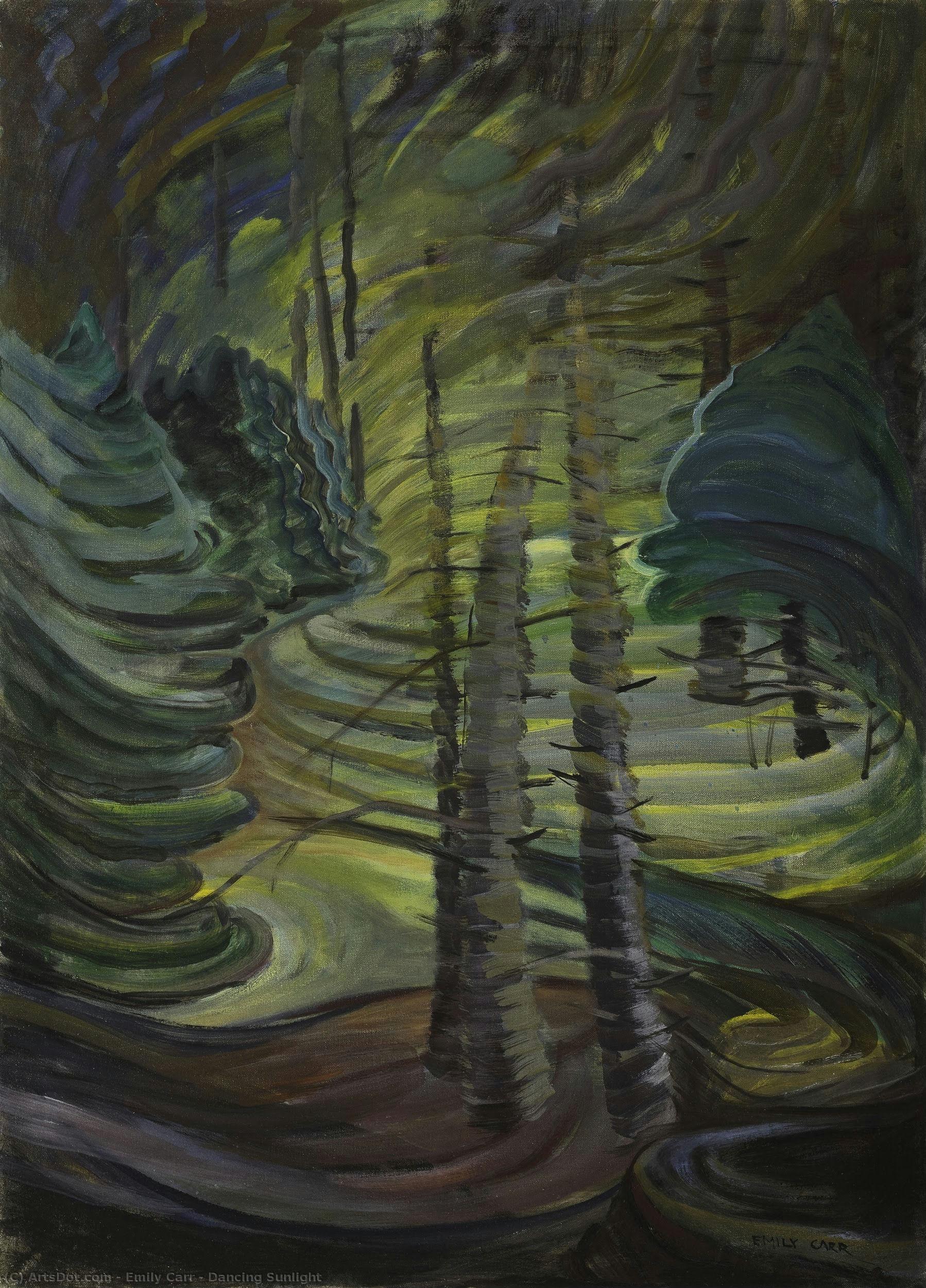
Dancing Sunlight

Discover "Dancing Sunlight," Emily Carr's evocative 1937 painting capturing the magic of British Columbia’s forests. Explore its rich details, artistic techniques & historical context.

Emily Carr (1871–1945), Kanada első nemzeti jelentőségű művésze és írója volt, aki különleges tájképeivel és őslakos kultúráival meghatározta a kanadai modernizmust. Élete Vancouver Islandon kezdődött és itt kötött szoros kapcsolatot az őslakos népekkel és természet szépségeivel. Együtt a Hetek csoportával Kanada egyik legnagyobb művésze lett, és alkotásai világszerte ismertek és nagyra értékelik.

Giclée / Műnyomat

Múzeumi minőségű giclée vagy vászonnyomat, gyors gyártással és rugalmas finomítási lehetőségekkel.

P118B $10
P118H $10
P118W $10
P438Z $10
P508JH $12
P508YH $12
P805H $10
P805Z $10
P919BZ $10
P919G $10
P919XJ $10
P959ZH $10
P968JZ $12
W106C $8
W218G $10
W218JH $8
W218Y $10
W307PJ $10
W316G $10
W316PJ $8
W316Y $10
W398PJ $8
W4111J $10
W500HY $15
W500JH $15
W692G $12
W849H $8
W940BG $15
W953PJ $8

Standard
custom
CM
INCH

Válasszon előre meghatározott méreteink közül, amelyek megfelelnek a műalkotás eredeti arányainak.

szélesség
magasság

Megadhat saját méreteket is egy konkrét kerethez vagy helyszínhez igazítva. Amennyiben a kiválasztott méret nem egyezik az eredeti kép arányokkal, a műalkotást le fogjuk vágni, vagy kiegészítjük a képet tükrözött vagy egyszínű szélekkel. A gyártás megkezdése előtt egy digitális tervezetet küldünk jóváhagyásra.
Kérjük, vegye figyelembe, hogy a képernyőn látható előnézet nem tükrözi a tényleges levágást vagy kiegészítést. Csak a tervezet mutatja pontosan a végső kompozíciót.
Bár az egyedi méretek is elérhetőek, az eredeti arányok megőrzése érdekében azt javasoljuk, hogy válasszon a előre meghatározott listából származó méretet.

Világszerte történő kiszállítás területére 2 hét alatt, a szokásos 4-5 hét helyett. 3 július

why_choose_icon
Ingyenes globális expressz szállítás
why_choose_icon
Prémium minőségű len vászon
why_choose_icon
Teljes szállítási biztosítás
why_choose_icon
Vámvisszatérítési Garancia
why_choose_icon
Tökéletes színpontosság garancia
why_choose_icon
60 napos visszaküldési lehetőség (csak gyártási hibák esetén)
why_choose_icon
100%-os pénzvisszatérítési garancia
why_choose_icon
Kedvezmény több termény esetén

Összesen

-

reproduction

Dancing Sunlight

Giclée / Műnyomat

A reprodukció mérete

-

Összesített ár

-

Rövid tények

  • Artistic style: Expressionism
  • Notable elements: Forest scene
  • Influences: Landscape
  • Dimensions: 83 x 60 cm
  • Subject or theme: Nature, Night
  • Title: Dancing Sunlight

Termékinformációk

Emily Carr's "Dancing Sunlight": A Nocturne of Spirit and Timber

“Dancing Sunlight,” painted in 1937 by Emily Carr, offers an intimate glimpse into the heart of British Columbia’s wilderness – a scene rendered with a profound understanding of light, texture, and the enduring spirit of the land. This evocative work captures a forest at night, not as darkness, but as a vibrant tapestry woven from the last vestiges of sunset and the emerging shadows. The artist's meticulous attention to detail, particularly in the depiction of the trees – some sharply defined, others softened by atmospheric haze – creates a sense of depth that draws the viewer into this tranquil space. It’s a painting that speaks not just of visual beauty but of a deep connection to nature, a hallmark of Carr’s artistic legacy.

Style and Technique: Impressionistic Brushwork

  • Impressionistic Approach: Carr employs an impressionistic technique, prioritizing the immediate sensation of light and color over precise representation. The brushstrokes are visible, contributing to a dynamic surface that seems to shimmer with reflected light.
  • Layered Application: Notice the layering of paint – thin washes build up atmospheric perspective, while thicker impasto creates texture in the tree trunks and foliage. This technique enhances the three-dimensionality of the scene.
  • Color Palette: The dominant hues are warm oranges, reds, and yellows, indicative of the setting sun, contrasted with cooler blues and greens that suggest the deepening shadows. Carr’s masterful use of color evokes a sense of warmth and tranquility.

Historical Context and Emily Carr's Vision

Painted in 1937, “Dancing Sunlight” reflects a pivotal moment in Emily Carr’s career. Following years spent documenting the coastal forests and First Nations communities of British Columbia, she was increasingly drawn to the interior landscapes. This work exemplifies her evolving style – a move towards greater abstraction while retaining a deep respect for the natural world. The painting also speaks to the broader cultural context of the time, when there was growing interest in preserving Canada’s wilderness areas. Carr's art became an important voice advocating for the protection of these unique environments.

Symbolism and Emotional Impact

More than a simple landscape painting, “Dancing Sunlight” is imbued with symbolic meaning. The ‘dancing sunlight’ itself suggests movement, energy, and perhaps even spirituality – a connection between the earthly realm and something beyond. Carr's work frequently explored themes of solitude, resilience, and the power of nature to inspire awe and reverence. The composition invites contemplation, prompting viewers to consider their own relationship with the natural world. The painting’s quiet intensity evokes a sense of peace and wonder, capturing the essence of a timeless moment in the forest.

Dimensions & Reproduction Details

Size: 83 x 60 cm (approximately 32.7 x 23.6 inches)

Date: 1937

WahooArt offers a meticulously crafted hand-painted reproduction of Emily Carr’s “Dancing Sunlight,” ensuring the highest quality and authenticity. Each reproduction is created using archival materials, guaranteeing lasting beauty and preserving the original artwork's vibrant colors for generations to come.

Hasonló műalkotások


A művész életrajza

A Life Rooted in the Landscape and Spirit of British Columbia

Emily Carr, born December 13, 1871, in Victoria, British Columbia, was more than just a painter; she was a chronicler of a changing world, a passionate observer of both the natural majesty of the Pacific Northwest and the rich cultural heritage of its First Nations peoples. Her life unfolded against the backdrop of a rapidly evolving Canada, a nation grappling with its identity and relationship to its Indigenous populations. The daughter of Richard and Emily Carr, English immigrants who sought opportunity in the burgeoning colony, she grew up in a household that valued both tradition and progress. This duality would profoundly shape her artistic vision. From an early age, encouraged by her father, Emily displayed a remarkable aptitude for art, a talent nurtured through formal instruction and a deep connection to the surrounding landscape. The imposing forests of Vancouver Island, the rugged coastline, and the vibrant life within them became enduring sources of inspiration. However, it was not merely the visual beauty that captivated Carr; she sought to capture the *spirit* of this land, its inherent power and mystery.

Forging a Unique Artistic Voice

Carr’s artistic journey was one of continuous exploration and refinement. She pursued formal training at the San Francisco Art Institute (1890-1892) and later at the Westminster School of Art in London (1899), immersing herself in European artistic currents. Yet, she found herself increasingly drawn back to her native British Columbia, recognizing that true artistic expression lay not in imitation but in authentic representation of her own experience. Initially influenced by Post-Impressionism – particularly the bold colors and expressive brushwork of artists like Vincent van Gogh – Carr gradually moved away from conventional techniques, developing a style characterized by dynamic brushstrokes, an almost visceral energy, and a distinctive use of color to convey emotion. A pivotal moment in her development came through her encounters with the First Nations communities along the British Columbia coast. She traveled extensively throughout these regions, documenting their villages, totem poles, and ceremonial objects with reverence and respect. These experiences profoundly impacted her work, infusing it with a spiritual depth and a commitment to preserving a culture facing immense pressure from colonial forces. Carr wasn’t simply painting *about* First Nations cultures; she was attempting to convey their worldview, their connection to the land, and the profound symbolism embedded in their art. Her paintings became powerful statements of cultural preservation and artistic innovation. She often depicted scenes of daily life – fishing, weaving, storytelling – rendered with a vibrant intensity that captured both the beauty and the hardship of Indigenous existence.

Modernism and the Expression of Inner Vision

Emily Carr stands as a pioneering figure in Canadian Modernism, embracing new forms of expression while remaining deeply rooted in her own unique perspective. She wasn’t content to merely replicate what she saw; instead, she sought to convey the emotional and spiritual essence of her subjects. This led her to experiment with increasingly abstract compositions, employing thick impasto techniques – applying paint directly onto the canvas in layers – to create a sense of movement and texture. Her canvases often pulsate with energy, reflecting the raw power of the natural world and the vibrant life force of the First Nations communities she depicted. Kispiox Village, for example, is not simply a representation of a village scene; it’s an evocation of its atmosphere, its history, and its spiritual significance. Carr's work often features towering trees that seem to reach towards the heavens, symbolizing both the grandeur of nature and the enduring spirit of Indigenous cultures. She wasn’t afraid to challenge conventional artistic norms, pushing boundaries and forging her own path. This commitment to artistic independence would inspire generations of Canadian artists to come. Her use of color was particularly innovative; she often employed intense reds, yellows, and blues to capture the vibrancy of the landscape and the emotional intensity of her subjects.

Major Works and Recognition

Emily Carr’s oeuvre is characterized by a remarkable diversity of subject matter and style. Some of her most celebrated works include:
  • Tanoo (watercolor): A delicate yet powerful depiction of First Nations life, showcasing Carr’s mastery of watercolor techniques and her ability to capture the subtle nuances of Indigenous culture.
  • A Haida Village (oil): A striking oil painting that captures the architectural grandeur and spiritual significance of a Haida village, demonstrating her skill in portraying complex spatial relationships and conveying a sense of community.
  • The Indian Church (oil): A poignant representation of the intersection between Indigenous culture and Christian missionary influence, reflecting Carr’s complex engagement with colonial history and her desire to document both traditions.
  • Kispiox Village (oil): An iconic painting that embodies Carr's unique style and her deep connection to the landscapes and communities of British Columbia – a swirling vortex of color and energy that captures the spirit of the place.
Beyond her visual art, Emily Carr was also recognized for her insightful writing. Her autobiography, Klee Wyck, published in 1941, provided a deeply personal account of her life, her artistic journey, and her profound connection to British Columbia. The book won the Governor General’s Literary Award for non-fiction, solidifying her place as a significant voice in Canadian literature.

Legacy and Enduring Influence

Emily Carr is now widely celebrated as “the Mother of Modern Canadian Art.” Her paintings are treasured for their beauty, their emotional depth, and their historical significance. She was also a gifted writer, chronicling her experiences and observations in the acclaimed autobiography Klee Wyck. Beyond her artistic achievements, Carr was a passionate advocate for Indigenous rights and cultural preservation. Her work continues to inspire artists and audiences alike, reminding us of the importance of respecting diverse cultures and celebrating the beauty of the natural world. A testament to her lasting impact is the naming of minor planet 5688 Kleewyck in her honor—a celestial tribute to a truly remarkable artist and visionary.
Emily Carr

Emily Carr

1871 - 1945 , Kanada

Rövid tények

  • Artistic Movement Or Style: Modernism, Post-Impressionism
  • Artists Or Movements Influenced By This Artist: ['Pegi Nicol Macleod']
  • Date Of Birth: Dec 13, 1871
  • Date Of Death: Mar 2, 1945
  • Full Name: Emily Carr
  • Nationality: Canadian
  • Notable Artworks:
    • Tanoo
    • A Haida Village
    • The Indian Church
  • Place Of Birth: Victoria, Canada
Fedezze fel a műalkotásokat témák, stílusok és jellemzők szerint csoportosítva.