Előnézet AR előnézet Kézzel festett másolat vásárlása Áttérés digitális képre Megosztás
Részletek Útmutató Kedvencekhez ad Letöltés Hasonló darabok X-ray felvétel Diavetítés Statisztika

Philae, Egypt

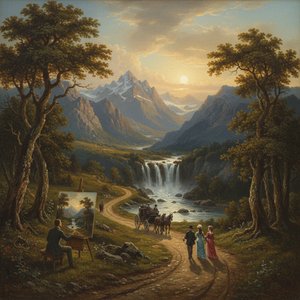
Edward Lear's "Philae, Egypt, 1863" captures a serene landscape of ancient Egypt with mountains and water. A beautiful oil painting by the whimsical artist, showcasing his unique style.

Fedezd fel Lear Edward (1812-1888) szellemes versműveit, lenyűgöző tájképeit és kedves madárrajzait! A viktoriakor művésze és költője a nonszensz poézisa, a limerick mestere.

Giclée / Műnyomat

Múzeumi minőségű giclée vagy vászonnyomat, gyors gyártással és rugalmas finomítási lehetőségekkel. ( Kézzel festett másolat vásárlása Áttérés digitális képre)

P118B Ft10
P118H Ft10
P118W Ft10
P438Z Ft10
P508JH Ft12
P508YH Ft12
P805H Ft10
P805Z Ft10
P919BZ Ft10
P919G Ft10
P919XJ Ft10
P959ZH Ft10
P968JZ Ft12
W106C Ft8
W218G Ft10
W218JH Ft8
W218Y Ft10
W307PJ Ft10
W316G Ft10
W316PJ Ft8
W316Y Ft10
W398PJ Ft8
W4111J Ft10
W500HY Ft15
W500JH Ft15
W692G Ft12
W849H Ft8
W940BG Ft15
W953PJ Ft8

Standard méret
egyedi
CM
INCH

Válasszon előre meghatározott méreteink közül, amelyek megfelelnek a műalkotás eredeti arányainak.

szélesség
magasság

Megadhat saját méreteket is egy konkrét kerethez vagy helyszínhez igazítva. Amennyiben a kiválasztott méret nem egyezik az eredeti kép arányokkal, a műalkotást le fogjuk vágni, vagy kiegészítjük a képet tükrözött vagy egyszínű szélekkel. A gyártás megkezdése előtt egy digitális tervezetet küldünk jóváhagyásra.
Kérjük, vegye figyelembe, hogy a képernyőn látható előnézet nem tükrözi a tényleges levágást vagy kiegészítést. Csak a tervezet mutatja pontosan a végső kompozíciót.
Bár az egyedi méretek is elérhetőek, az eredeti arányok megőrzése érdekében azt javasoljuk, hogy válasszon a előre meghatározott listából származó méretet.

Világszerte történő kiszállítás területére mindössze 2 hét alatt, a szokásos 4-5 hét helyett. (5 október)

why_choose_icon
Ingyenes globális expressz szállítás
why_choose_icon
Prémium minőségű len vászon
why_choose_icon
Teljes körű szállítási biztosítás
why_choose_icon
Vámvisszatérítési Garancia
why_choose_icon
Tökéletes színarányosság garancia
why_choose_icon
100 napos visszaküldési garancia (csak gyártási hibás termékek esetén)
why_choose_icon
100% pénzvisszatérítési garancia
why_choose_icon
Több darab vásárlásakor kedvezmény

Összesített ár

Ft 21218

reproduction

Philae, Egypt

Giclée / Műnyomat

Reprodukció méretei

-

Összesített ár

Ft 21218

Rövid tények

  • Location: Yale Center for British Art
  • Influences: Romanticism
  • Title: Philae, Egypt
  • Artistic style: Landscape painting
  • Medium: Oil on canvas
  • Artist: Edward Lear
  • Dimensions: 27 x 53 cm

Művészeti kvíz

Minden kérdésre csak egy helyes válasz létezik.

Kérdés 1:
What is the primary subject depicted in the painting "Philae, Egypt"?
Kérdés 2:
In what year was the painting "Philae, Egypt" created?
Kérdés 3:
Who is the artist responsible for creating the painting "Philae, Egypt"?
Kérdés 4:
What type of landscape is most prominently featured in the painting?
Kérdés 5:
Based on the description, what is a key characteristic of Edward Lear's artistic style?

A Vision of Ancient Egypt: Edward Lear’s “Philae, Egypt, 1863”

Edward Lear's "Philae, Egypt, 1863" isn’t merely a landscape painting; it’s a portal. A meticulously rendered vista of the ancient Egyptian island city of Philae, nestled within the embrace of a vast, shimmering lake, it invites us to step back in time and experience the serenity and grandeur of this once-sacred site. The scene unfolds with a quiet dignity – a majestic mountain range dominates the background, its peaks softened by atmospheric haze, while a sprawling body of water reflects the sky above, creating an illusion of infinite depth. Scattered across the foreground are figures—likely travelers or locals—adding a subtle human element to this otherwise timeless tableau. Lear’s choice of palette is masterful; he employs muted blues and greens for the water, contrasted with earthy ochres and browns for the mountains and surrounding landscape. This restrained color scheme doesn't diminish the scene's beauty; rather, it enhances its sense of realism and evokes a feeling of distant memory.

The painting’s historical context is crucial to understanding its emotional resonance. Philae, dedicated to the goddess Isis, held immense religious significance for centuries. By the 19th century, however, much of the island complex had fallen into disrepair and was threatened by rising waters from the Aswan Dam project. Lear's depiction, created just a few years before the dam’s completion, captures a fleeting moment in time—a testament to the beauty that was about to be lost. It speaks to a poignant awareness of cultural heritage and the inevitable passage of history.

The Delicate Brushwork: A Study in Watercolor Technique

Lear's distinctive style is immediately recognizable through his delicate, almost translucent watercolor technique. He eschews bold outlines and heavy brushstrokes, instead favoring subtle gradations of color and washes that create a sense of atmospheric perspective. The mountains, for instance, are rendered with layers of pale blue and grey, suggesting distance and the play of light on their surfaces. The water’s surface is treated with a shimmering quality—a series of broken strokes and diluted pigments that capture its fluidity and reflectivity. This meticulous attention to detail, combined with his mastery of color, results in an image that feels both incredibly detailed and remarkably ethereal.

He employed a technique known as ‘wet-on-wet,’ applying wet paint onto a still-damp surface, allowing the colors to bleed and blend together organically. This created soft edges and diffused tones, contributing significantly to the painting’s dreamlike quality. The layering of washes is particularly evident in the depiction of the distant mountains, where faint outlines gradually fade into the hazy background.

Symbolism and a Sense of Isolation

Beyond its purely representational qualities, “Philae, Egypt, 1863” carries layers of symbolic meaning. The vastness of the landscape—the towering mountains and expansive water—evokes a sense of human insignificance in the face of nature’s grandeur. The scattered figures in the foreground serve as reminders of our connection to the past, yet their isolation suggests a feeling of detachment from this ancient world. Lear himself was known for his introspective nature and fascination with solitude; these themes resonate deeply within the painting.

Furthermore, the island itself—a sanctuary dedicated to Isis, a powerful goddess associated with magic, motherhood, and protection—hints at a deeper spiritual significance. The scene can be interpreted as a meditation on faith, memory, and the enduring power of ancient traditions. The inclusion of figures enjoying the view suggests an appreciation for beauty and tranquility, values that seem timeless and universal.

A Legacy of Wonder: Reproductions and Artistic Inspiration

Reproductions of “Philae, Egypt, 1863” offer a remarkable opportunity to experience Lear’s artistic vision firsthand. Whether displayed in a grand salon or a cozy study, this painting evokes a sense of wonder and invites contemplation. Its delicate beauty and evocative atmosphere make it an ideal choice for collectors seeking pieces that are both visually stunning and intellectually stimulating. The painting's enduring appeal lies not only in its technical mastery but also in its ability to transport us to another time and place—a world of ancient mysteries, breathtaking landscapes, and the quiet contemplation of human existence.

Gyakran Ismételt Kérdések

Milyen színpalettát és milyen érzést ötvöz a "Philae, Egypt"?

A „Philae, Egypt”, Lear Edward alkotása Neutrals palettája harmonikában van Reflective érzelmi hangulatával. A szín az egyik módja annak, ahogyan egy mű érzelmeket közvetít.

Mikor készült a(z) „Philae, Egypt”, Lear Edward alkotása?

A „Philae, Egypt”, Lear Edward alkotása alkotása 1863-ben készült.

Mennyi éves volt Lear Edward, amikor megalkotta a "Philae, Egypt" alkotást 1863 årban?

Lear Edward 51 éves volt, amikor 1863 évben megalkotta a "Philae, Egypt" alkotást. A korúsítás az alkotó születési évéből, 1812 fel основании került kiszámítva.

Ki a "Philae, Egypt" alkotója?

A "Philae, Egypt" alkotását Lear Edward készítette. Az ezen az oldalon található információk Lear Edward eredeti művészetét mutatják be.

Milyen stílusba tartozik a "Philae, Egypt"?

A "Philae, Egypt" a Victorian Romanticism egyik alkotása. A művészeti irány jelzi azt a művészeti hagyományt, amelybe a mű tartozik.

Van-e útmutató a(z) „Philae, Egypt”, Lear Edward alkotása alkotáshoz?

A "Philae, Egypt" útmutatója a mű Útmutató oldala – egy kinyomtatható adatlap, amely bemutatja a művet a leírással, a szerzői megjegyzéssel és az azonosító táblázattal (művész, dátumok, technika, eredeti méret, gyűjtemény) együtt.

Van-e rozšíngtott valóság (AR) előnézete a(z) "Philae, Egypt" alkotásnak?

A „Philae, Egypt”, Lear Edward alkotása AR előnézet oldala kiterjesztett valóságot használ, hogy az alkotást egy kompatibilis eszközön, az Ön saját környezetében is megmutassa.


A művész életrajza

A Life Painted in Nonsense and Light

Edward Lear, a name inextricably linked with whimsical verse and delightfully peculiar illustrations, was far more than simply the popularizer of limericks and fantastical creatures. Born in 1812 in Holloway, North London, into a family teeming with twenty-one children – a chaotic yet vibrant microcosm of Victorian life – his early years were marked by both financial instability and an undeniable artistic spark. His father, Jeremiah Lear, faced considerable hardship following the Napoleonic Wars, forcing young Edward to begin earning a living through his drawings at the tender age of fifteen. This early necessity, however, wasn’t merely a means of survival; it ignited a lifelong passion that would propel him across continents, capturing the world in a kaleidoscope of hues and playful lines. The shadow of familial difficulty – compounded by recurring bouts of melancholy he himself termed “the Morbids,” stemming from underlying health challenges including epilepsy – instilled within Lear a gentle solitude and an inclination towards imaginative escape; qualities that profoundly shaped his artistic vision and poetic sensibility.

From Ornithological Precision to Landscape’s Embrace

Lear's artistic journey began with a remarkable level of technical precision. Initially employed by the Zoological Society, he honed his skills meticulously illustrating birds and animals – a task demanding an acute eye for detail and a deep understanding of anatomy. This early work, characterized by its scientific accuracy and delicate rendering, brought him to the attention of Edward Stanley, the 13th Earl of Derby, who commissioned Lear to document the exotic creatures residing within his private menagerie at Knowsley Hall. These years spent amongst lions, tigers, and a dazzling array of parrots not only refined his draftsmanship but also fostered an intimate connection with the natural world – a bond that would become a recurring theme in his later landscapes. However, the demanding nature of ornithological illustration, coupled with increasingly debilitating eyesight and respiratory issues, eventually led him away from this exacting field. He transitioned to landscape painting, embarking on extensive travels throughout Europe and beyond, seeking respite for his health and inspiration for his art. Italy, with its dramatic mountains, sun-drenched vineyards, and vibrant coastal towns, became a particular haven – a place where he could immerse himself in the beauty of the natural world while simultaneously alleviating his physical ailments. His landscapes are not merely representations of scenery; they’re imbued with an atmospheric quality, capturing the subtle shifts in light and shadow that define the Mediterranean landscape.

The Poet of Nonsense: A World Unbound

While celebrated as a painter, it is perhaps for his literary contributions that Edward Lear remains most widely remembered. His “nonsense” poetry – particularly his limericks – revolutionized children’s literature and captivated audiences of all ages. *A Book of Nonsense*, published in 1846 under the pseudonym "Derry down Derry," introduced a world populated by owls and pussycats sailing in pea-green boats, dongs with luminous noses, and other delightfully absurd creations. These verses weren’t merely frivolous; they were imbued with a subtle melancholy and a playful subversion of conventional logic. Lear didn't simply invent nonsense words; he crafted entire worlds governed by their own internal rules, inviting readers to suspend disbelief and embrace the joy of imagination. *The Owl and the Pussy-Cat*, arguably his most famous poem, remains a beloved classic, its enduring appeal stemming from its lyrical rhythm and evocative imagery – a testament to Lear’s ability to transform the mundane into the magical. He skillfully blended humor with poignant observations about loneliness, longing, and the inherent absurdity of human existence, cloaked within a veneer of whimsicality.

Influences and Artistic Development

  • Early Influences: Lear’s initial artistic training focused on scientific illustration, demanding precision and observation. This foundation shaped his meticulous approach to detail, even as he later embraced more expressive styles.
  • Travel & Landscape Painting: His extensive travels throughout Italy, Greece, Egypt, and beyond profoundly influenced his landscape work. He absorbed the light, colors, and textures of these diverse regions, developing a distinctive style characterized by atmospheric perspective and delicate brushwork.
  • Literary Inspiration: While he popularized the limerick, Lear was also inspired by earlier nonsense verse traditions – particularly the works of Father Browne. His unique contribution lay in his ability to imbue this form with emotional depth and lyrical beauty.
  • Personal Experiences: Lear’s lifelong struggles with health issues and melancholy deeply informed his artistic vision. The sense of isolation and longing that permeates much of his work reflects his own personal experiences.

A Legacy of Innovation and Enduring Charm

Edward Lear's influence extends far beyond the realm of children's literature. He pioneered a new form of poetic expression, liberating verse from rigid structures and embracing playful experimentation. His landscapes, though often overshadowed by his poetry, demonstrate a keen artistic sensibility and a mastery of watercolor technique. He was a true polymath – artist, illustrator, musician (he composed musical settings for Tennyson’s poems), author, and poet – whose diverse talents converged to create a unique and enduring legacy. He challenged conventional boundaries, blurring the lines between art, literature, and music. His work continues to inspire artists, writers, and dreamers alike, reminding us of the power of imagination and the beauty of embracing the absurd. His paintings can be found in esteemed collections like The Ashmolean Museum, Oxford, a testament to his skill as a landscape artist. Lear’s life, marked by both personal struggles and creative triumphs, serves as a poignant reminder that even amidst darkness, there is always room for light, laughter, and the boundless possibilities of the human spirit.
Lear Edward

Lear Edward

1812 - 1888 , Egyesült Királyföld

Gyors információk

  • Artistic Movement Or Style: Nonszensz, Viktória
  • Date Of Birth: 1812. május 12.
  • Date Of Death: 1888. jan. 29.
  • Full Name: Edward Lear
  • Nationality: Angol
  • Notable Artworks:
    • A Bagoly és a Macska
    • A Donga fényes orrával
  • Place Of Birth: London, Anglia
Fedezze fel a műalkotásokat témák, stílusok és jellemzők szerint csoportosítva.