INGYENES MŰVÉSZETI TANÁCSADÁS

x
Készíttetnék festményként Készíttetnék festménykéntKép letöltése Kép letöltése MegosztásMegosztás

DetailsDetails Kedvencekhez ad Kedvencekhez ad LetöltésLetöltés Hasonló alkotásokHasonló alkotások X-RayX-Ray DiavetítésDiavetítés

James Lambert

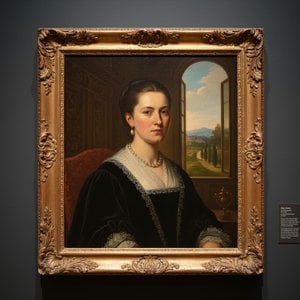
Exquisite oil painting portrait of a gentleman from the Neoclassical period. Daniel Gardner’s work showcases realism & detail in a formal style, perfect for art collectors.

Daniel Gardner (1750–1805) brit festő, aki elegáns pastellképzőként és gouache festményekkel vált ismertté. Stílusa előfutára volt az impresszionizmusnak, a nemesi társadalom portréit mesteri módon ábrázolta.

Giclée / Műnyomat

Múzeumi minőségű giclée vagy vászonnyomat, gyors gyártással és rugalmas finomítási lehetőségekkel.

Standard
custom
CM
INCH

Válasszon előre meghatározott méreteink közül, amelyek megfelelnek a műalkotás eredeti arányainak.

szélesség
magasság

Megadhat saját méreteket is egy konkrét kerethez vagy helyszínhez igazítva. Amennyiben a kiválasztott méret nem egyezik az eredeti kép arányokkal, a műalkotást le fogjuk vágni, vagy kiegészítjük a képet tükrözött vagy egyszínű szélekkel. A gyártás megkezdése előtt egy digitális tervezetet küldünk jóváhagyásra.
Kérjük, vegye figyelembe, hogy a képernyőn látható előnézet nem tükrözi a tényleges levágást vagy kiegészítést. Csak a tervezet mutatja pontosan a végső kompozíciót.
Bár az egyedi méretek is elérhetőek, az eredeti arányok megőrzése érdekében azt javasoljuk, hogy válasszon a előre meghatározott listából származó méretet.

Világszerte történő kiszállítás területére 2 hét alatt, a szokásos 4-5 hét helyett. 2 július

why_choose_icon
Ingyenes globális expressz szállítás
why_choose_icon
Prémium minőségű len vászon
why_choose_icon
Teljes szállítási biztosítás
why_choose_icon
Vámvisszatérítési Garancia
why_choose_icon
Tökéletes színpontosság garancia
why_choose_icon
60 napos visszaküldési lehetőség (csak gyártási hibák esetén)
why_choose_icon
100%-os pénzvisszatérítési garancia
why_choose_icon
Kedvezmény több termény esetén

Összesen

-

reproduction

James Lambert

Giclée / Műnyomat

A reprodukció mérete

-

Összesített ár

-


A művész életrajza

A Life Dedicated to Portraiture

Daniel Gardner, born in Kendal, a small town nestled in the heart of Cumbria, England, in 1750, and passing away in London in 1805, carved a distinctive niche for himself within the vibrant British art scene of the late 18th century. His story isn’t one of grand pronouncements or revolutionary movements; rather, it's a tale of quiet observation, meticulous technique, and an uncanny ability to capture the essence of aristocratic society through intimate portraits. Initially, his life seemed destined for a more humble path – his father was a master baker, and Daniel spent his early years assisting in the family business. However, a familial connection proved pivotal: his mother’s brother was an upholsterer with connections to George Romney's father, opening doors for young Daniel to receive initial artistic instruction from the renowned painter himself. While Gardner later confessed to learning relatively little directly from Romney – claiming that Romney’s style was too rigid for him – this early exposure undoubtedly laid a foundation for his future endeavors and instilled in him a deep appreciation for portraiture's potential.

Early Training and Royal Academy Recognition

Daniel’s move to London in 1767 marked a decisive turning point. He enrolled at the prestigious Royal Academy of Arts in 1770, immersing himself in a rigorous curriculum under the tutelage of some of Britain’s most prominent artists – Johann Zoffany, Nathaniel Dance-Holland, Benjamin West, Giovanni Battista Cipriani, and Francesco Bartolozzi. This period was crucial for honing his skills and developing his artistic sensibilities. It wasn't merely about mastering technical proficiency; it was about absorbing the prevailing aesthetic standards of the time and understanding how to effectively represent human subjects within a formal framework. A significant early achievement came in 1771 when Gardner won a silver medal at the Royal Academy for a portrait of an old man, likely executed in pastel – a medium he would come to master. This recognition, though modest in scale, signaled the emergence of a promising talent and provided him with valuable exposure within the art world. Notably, this particular portrait, often referred to as “The Artist’s Father,” is considered one of his most significant early works, showcasing his developing skills and hinting at the delicate nuances he would later employ. It's said in a letter by Daniel Gardner’s grandson, George Harrison Gardner, dated in 1856, that the subject of this portrait was *The Chained Captive.* Despite this success, Gardner’s subsequent exhibition record remained relatively limited, suggesting a preference for private commissions and a deliberate avoidance of the public spotlight. He quickly established a fashionable studio in Bond Street, London, catering to a discerning clientele eager for expertly crafted portraits – a testament to his growing reputation and artistic skill.

Style and Influences: A Delicate Balance

Gardner’s artistic style was deeply influenced by Joshua Reynolds, particularly in terms of composition and the conception of his figures. He frequently borrowed poses and arrangements from Reynolds’ work, demonstrating an astute understanding of successful portraiture conventions. Reynolds' emphasis on elegant drapery, balanced compositions, and a sense of dignified repose served as a guiding influence for Gardner. However, critics often noted that Gardner lacked the same level of anatomical precision as his more celebrated counterpart. This perceived deficiency, however, did not diminish his popularity; rather, it contributed to a unique aesthetic characterized by a certain *facile elegance*. Gardner excelled in capturing likeness and personality, prioritizing charm and grace over strict realism. He became renowned for his skill with pastels, crayons, and gouache, often combining these mediums to create luminous effects and delicate textures. His innovative technique involved using dry pastel for faces while employing scumbled gouache for the rest of the picture, allowing him to work quickly and achieve a distinctive visual quality. Some art historians even suggest that Gardner’s loose style and vibrant use of color foreshadowed elements of later Impressionist painting, marking him as an artist ahead of his time. He wasn't simply replicating Reynolds; he was adapting and refining those principles to create a distinctly personal vision.

Patronage and Legacy: Capturing Aristocratic Society

Gardner’s clientele read like a who’s who of British aristocracy. He painted portraits of prominent figures such as Jane Gordon, Duchess of Gordon; Georgiana Cavendish, Duchess of Devonshire – famed for her beauty and political influence; Charles Cornwallis, 1st Marquess Cornwallis; Elizabeth Lamb, Viscountess Melbourne; Frances Villiers, Countess of Jersey; the celebrated artist Angelica Kauffman; and Lord George Gordon. He was particularly sought after for family portraits, often depicting families with their children and pets in idyllic woodland settings – scenes that reflected both the wealth and sentimental values of his patrons. These weren’t merely formal representations; Gardner possessed a remarkable ability to capture the individual personalities of his subjects, imbuing each portrait with a sense of warmth and intimacy. Beyond portraiture, Gardner demonstrated his versatility with an early oil painting depicting Philip Egerton of Oulton, showcasing his developing skills in this more traditional medium. A shrewd businessman, Gardner wisely invested the considerable wealth generated from his commissions into land and property around Kendal, securing his financial future. He eventually retired from painting to focus on these ventures, passing away in London in 1805, reportedly due to a liver complaint. While perhaps not achieving the same level of enduring fame as some of his contemporaries – Joshua Reynolds, for example – Daniel Gardner’s unique style, technical innovation, and ability to capture the character of his sitters secured him a significant place within the history of British portraiture. His work continues to offer a fascinating glimpse into the lives and tastes of the late 18th-century aristocracy, and his subtle anticipation of Impressionistic techniques ensures his lasting interest among art historians today.
Daniel Gardner

Daniel Gardner

1750 - 1805 , Egyesült Királyföld

Rövid tények

  • Artistic Movement Or Style: Portrézó
  • Artists Or Movements Influenced By This Artist: ['Impressionizmus']
  • Artists Who Influenced This Artist:
    • George Romney
    • Joshua Reynolds
  • Date Of Birth: 1750
  • Date Of Death: 1805
  • Full Name: Daniel Gardner
  • Nationality: Britannia
  • Notable Artworks:
    • A Festő Apja
    • Család a gróf Taylor úrnál
  • Place Of Birth: Kendal, UK
Fedezze fel a műalkotásokat témák, stílusok és jellemzők szerint csoportosítva.