Előnézet AR előnézet Kézzel festett másolat vásárlása Áttérés digitális képre Megosztás
Részletek Útmutató Kedvencekhez ad Letöltés Hasonló darabok X-ray felvétel Diavetítés Statisztika

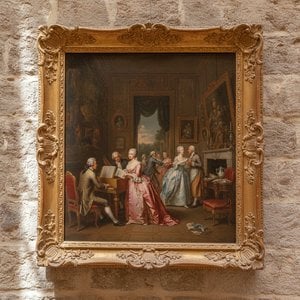
The Angler

Experience the peaceful riverside scene of The Angler by Constant Troyon; capture this beautiful 19th-century landscape art for your collection.

Constant Troyon (1810-1865), a выдающийся художник школы Барбизон, известен своими искренними живописными пейзажами и особенно мастерскими изображениями скота. Его работы вдохновлены голландской живописью и отражают реалистичный взгляд на природу!

Giclée / Műnyomat

Múzeumi minőségű giclée vagy vászonnyomat, gyors gyártással és rugalmas finomítási lehetőségekkel. ( Kézzel festett másolat vásárlása Áttérés digitális képre)

Corner sample of the P118B picture frame: formázott polisztirol, 5 cm wide and 3 cm thick
P118B Ft10
Corner sample of the P118H picture frame: formázott polisztirol, 5 cm wide and 3 cm thick
P118H Ft10
Corner sample of the P118W picture frame: formázott polisztirol, 5 cm wide and 3 cm thick
P118W Ft10
Corner sample of the P438Z picture frame: formázott polisztirol, 5.5 cm wide and 3.5 cm thick
P438Z Ft10
Corner sample of the P508JH picture frame: formázott polisztirol, 7 cm wide and 3.5 cm thick
P508JH Ft12
Corner sample of the P508YH picture frame: formázott polisztirol, 7 cm wide and 3.5 cm thick
P508YH Ft12
Corner sample of the P805H picture frame: formázott polisztirol, 5 cm wide and 3.5 cm thick
P805H Ft10
Corner sample of the P805Z picture frame: formázott polisztirol, 5 cm wide and 3.5 cm thick
P805Z Ft10
Corner sample of the P919BZ picture frame: formázott polisztirol, 7 cm wide and 3.5 cm thick
P919BZ Ft10
Corner sample of the P919G picture frame: formázott polisztirol, 7 cm wide and 3.5 cm thick
P919G Ft10
Corner sample of the P919XJ picture frame: formázott polisztirol, 7 cm wide and 3.5 cm thick
P919XJ Ft10
Corner sample of the P959ZH picture frame: formázott polisztirol, 5 cm wide and 3 cm thick
P959ZH Ft10
Corner sample of the P968JZ picture frame: formázott polisztirol, 6 cm wide and 4 cm thick
P968JZ Ft12
Corner sample of the W106C picture frame: tömörfa, 5 cm wide and 3 cm thick
W106C Ft8
Corner sample of the W218G picture frame: tömörfa, 5 cm wide and 3 cm thick
W218G Ft10
Corner sample of the W218JH picture frame: tömörfa, 5 cm wide and 3 cm thick
W218JH Ft8
Corner sample of the W218Y picture frame: tömörfa, 5 cm wide and 3 cm thick
W218Y Ft10
Corner sample of the W307PJ picture frame: tömörfa, 6 cm wide and 3 cm thick
W307PJ Ft10
Corner sample of the W316G picture frame: tömörfa, 6 cm wide and 3 cm thick
W316G Ft10
Corner sample of the W316PJ picture frame: tömörfa, 6 cm wide and 3 cm thick
W316PJ Ft8
Corner sample of the W316Y picture frame: tömörfa, 6 cm wide and 3 cm thick
W316Y Ft10
Corner sample of the W398PJ picture frame: tömörfa, 5 cm wide and 3 cm thick
W398PJ Ft8
Corner sample of the W4111J picture frame: tömörfa, 6.5 cm wide and 3.5 cm thick
W4111J Ft10
Corner sample of the W500HY picture frame: tömörfa, 7 cm wide and 5 cm thick
W500HY Ft15
Corner sample of the W500JH picture frame: tömörfa, 7 cm wide and 5 cm thick
W500JH Ft15
Corner sample of the W692G picture frame: tömörfa, 8 cm wide and 4 cm thick
W692G Ft12
Corner sample of the W849H picture frame: tömörfa, 5 cm wide and 3 cm thick
W849H Ft8
Corner sample of the W940BG picture frame: tömörfa, 7.5 cm wide and 4.5 cm thick
W940BG Ft15
Corner sample of the W953PJ picture frame: tömörfa, 6 cm wide and 3.5 cm thick
W953PJ Ft8

Standard méret
egyedi
CM
INCH

Válasszon előre meghatározott méreteink közül, amelyek megfelelnek a műalkotás eredeti arányainak.

szélesség
magasság

Írja be a keretének vagy a falának megfelelő szélességet és magasságot. A nyomatot csak le lehet vágni, soha nem tehető nagyobbá, mint az eredeti kép, így egy eltérő alakú méretnél a kép egy része elveszik. Mielőtt bármit kinyatintanánk, küldünk egy digitális próbamodellt jóváhagyásra. Az oldalon látható kép nem tartalmazza a valós levágást — ezt csak a próbamodell mutatja meg.

Világszerte történő kiszállítás területére mindössze 2 hét alatt, a szokásos 4-5 hét helyett. (22 október)

Ingyenes globális expressz szállítás
Prémium minőségű len vászon
Teljes körű szállítási biztosítás
Vámvisszatérítési Garancia
Tökéletes színarányosság garancia
100 napos visszaküldési garancia (csak gyártási hibás termékek esetén)
100% pénzvisszatérítési garancia
Több darab vásárlásakor kedvezmény

Összesített ár

Ft 21730

The Angler

Giclée / Műnyomat

Reprodukció méretei

-

Összesített ár

Ft 21730

Rövid tények

  • Subject or theme: Landscape; fishing by a river
  • Title: The Angler

Művészeti kvíz

Minden kérdésre csak egy helyes válasz létezik.

Kérdés 1:
What is the primary activity depicted in the painting titled 'The Angler'?
Kérdés 2:
According to the description, what elements are visible in the background of 'The Angler'?
Kérdés 3:
Which artist is credited with creating 'The Angler'?
Kérdés 4:
What early professional experience influenced Constant Troyon's meticulous attention to detail?
Kérdés 5:
Besides people and a river, what other animals are noted to be present in the scene?

A Tranquil Afternoon by the Water's Edge

The scene unfolds like a cherished memory, capturing a moment of profound stillness amidst the gentle activity of life. In The Angler, Constant Troyon invites us to pause our hurried modern pace and simply observe. Before us lies a pastoral tableau: a meandering river reflecting the soft light of an unknown day. At the heart of this composition stands the solitary figure of the angler, his posture suggesting patience—a virtue as timeless as the flowing water itself. The surrounding landscape is rich with verdant tones, framed by distant trees that whisper tales of countryside tranquility. It is a scene steeped in the quiet dignity of nature's embrace.

Mastery of Landscape and Figure

Troyon’s technique here speaks to his deep roots as an artist trained not only in the meticulous detail of porcelain decoration but also in the expansive sweep of landscape painting. Observe how the brushwork guides the eye: from the foreground where the figures gather near the water's edge, to the more distant elements that suggest depth and endless possibility. The inclusion of other figures, some closer to the bank and others further afield, lends a sense of community without ever becoming chaotic. These human interactions are subtly woven into the natural tapestry. Furthermore, the presence of two horses—one anchoring the center, the other drifting toward the right—adds an element of rustic grandeur, grounding the pastoral setting with palpable life.

Historical Echoes and Artistic Context

Painted during a period when landscape art was reaching new heights of emotional resonance, The Angler reflects a broader cultural yearning for escape. For Troyon, whose early life connected him to the refined arts of Sèvres porcelain, this painting represents a beautiful synthesis: the precision learned in ornamentation applied to the boundless freedom of nature. While the specific historical context remains wonderfully ambiguous, the feeling evoked is one of enduring leisure—a gentlemanly pursuit far removed from the bustle of urban existence. It speaks to an idealized vision of country life cherished by artists and collectors alike.

Symbolism of Patience and Connection

Beyond its visual beauty, the painting resonates with deeper symbolism. The act of fishing itself is a potent metaphor for patience—the understanding that the greatest rewards often require quiet waiting and unwavering attention. The river symbolizes the relentless passage of time, while the grouping of people suggests shared human experience against the backdrop of nature's constancy. For those who find solace in contemplation or value the connection between humanity and the wild, this artwork offers a visual balm. Reproducing this piece allows one to bring that same sense of peaceful contemplation into a modern interior space.

Bringing the Serenity Home

To acquire a reproduction of The Angler is to invite a curated moment of peace into your home or studio. The rich, earthy palette and the masterful composition make it an exceptional focal point for any room seeking an air of cultivated calm. It appeals equally to the collector who appreciates historical technique and the designer who seeks evocative, narrative art. Let this painting serve as a daily reminder to slow down, observe the details around you, and find beauty in the quiet rhythm of life.

Gyakran Ismételt Kérdések

Milyen viszonyban állnak egymáshoz a "The Angler" színei?

A „The Angler”, Troyon Constant alkotása színei Unified Palette harmóniát mutatnak bemutatni. A harmónia azt írja le, hogyan kapcsolódnak egymáshoz a színek.

Melyik országból származik a Barbizon School irányzat The Angler című műve?

A Barbizon School korszak alkotása, a "The Angler", egy Francia-ban született művész munkája.

Hogyan készült a "The Angler", és milyen méretű?

A „The Angler”, Troyon Constant alkotása technikája Oil On Canvas, méretei pedig a dokumentált 161 x 130 cm.


A művész életrajza

Kora és képzés

  • Született: Sèvres, Franciaország (1810)
  • Meghalt: 1865
  • Constant Troyon korai éveket a családja és a sèvresi porcelángyár közötti szoros kapcsolat határozta meg. Szülei mindketten ott dolgoztak, olyan környezetet teremtve, ahol az művészi készség mindig nagyraértékelt volt.
  • A gyárban dekorátorként kezdte pályáját, és már fiatal korától precízen finomította porcelán díszítésének művészetét. Ez a képzés éles szemre és olyan pontosságra tanította, amely később alapvető meghatározóvá vált festészeti stílusában is.
  • 21 éves korára Troyon országos utazásokba kezdett, és amiként a pénzügyi lehetőségei engedték, teljes odaadással szentelte magát a tájfestészetnek. Ezek az utazások felbecsülhetetlen tapasztalatokat és különféle környezetek ismeretét nyomták rá.
  • Amikor a tartalék elfogyott, visszatért a porcelán díszítéséhez, ezzel mutatva be pragmatikus hozzáállását művészi ambíciói támogatásához.
  • Camille Roqueplan mentorálta, aki bemutatta neki a barbizoni iskola más meghatározó festőit, mint Rousseau és Jules Dupré. Bár kezdetben ezek stílusának hatása alatt állt, Troyon végül képes volt kialakítani saját, egyedülálló hangját.

Művészi fejlődés és a holland hatás

  • Troyon művészi fejlődésének egyik döntő pillanata az 1846-os hollandországi utazása során következett be.
  • Paulus Potter „Fiatal bovid” című művének és Cuyp, valamint Rembrandt mesterműveinek inspirációja hatására áttért az állatfestészetre, és ekkor fedezte fel valódi hivatását.
  • Ez a tapasztalat jelentős fordulatot hozott stílusában: a tiszta tájfestészetből a természetes élőhelyükön ábrázolt állatok felé mozdult el.
  • A holland mesterek realizmusra való törekvése és az állatok lényegének megörökítése mélyen rezonált Troyonban, végleg formálva művészi vízióját.

Művészeti stílus és örökség

  • Troyon műveit az autentikusság jellemezte, állatokat mutatva be természetes, dinamikus állapotukban. Nem csupán fizikai megjelenésüket, hanem karakterüket és viselkedésüket is megpróbálta megörökíteni.
  • Az műkritikus, Albert Wolff kiemelte Troyon transzformatív stílusát, dicsérve képességét, amellyel életet lehette leábrázolni az állatokba, és lenyűgöző tájakat alkotni.
  • Bár jelentős sikereket aratott, Troyon viszonylag szkeptikus maradt saját eredményeiyle szemben, ami alázatos és befelé forduló természetét tükرözte.
  • Karrierje során számos elismerést kapott, többek között a Legion d'Honneur kitüntetést és öt párizsi Salon-méda Pregyi, ami széles körű elismertséget bizonyított talentumának.
  • Napoleon III is az ügyfelei közé tartozott, ami tovább megszilárdította hírnevét a kortárs művészek között.
  • Sajnos a siker árat viselt Troyon mentális egészségére, és bizonytalan időszakok után 1865-ben elhunyt.

Jelentős művek és maradandó hatás

  • Renomált műveinek többsége 1850 és 1864 között készült; az ezzel megelőző, holland hatás nélküli alkotásait kevésbé jelentősnek tekintik.
  • Örökségéhez tartozik a Troyon-díj az École des Beaux Arts-on, amelyet édesanyja alapított emlékét tiszteltetni és a jövő művészeit ösztönözni.
  • Legfontosabb alkotásai a világ neves galériáiban megtalálhatóak, többek között a glasgowi Wallace Gallery-ben, a Louvre-ban és a Metropolitan Művészeti Múzeumban.
  • A „Vallée de la Toucque, Normandy” példaként szolgál jenialitásának, bemutatva képességét, amellyel egyszerre képes megörökíteni a táj szépségét és az ott élő állatok vitalitását.
  • Hatást gyakorolt későbbi művészekre, például Émile van Marckere, bizonyítva művészeti víziója tartós hatását.

Kapcsolat a Barbizon iskolához

  • Troyon a Barbizon iskola meghatározó tagja volt – egy olyan francia tájfestők csoportja, akik a szabadtéri festést és a természet realista ábrázolását részesítették előnyben.
  • A Barbizon iskola a közvetlen megfigyelésre helyezte a hangsúlyt, céljuk a vidéki élet és a tájak lényegének megörökítése volt, elvetve az akadémikus művészetben jellemző idealizált ábrázolást.
  • Bár Troyon kezdetben követte más barbizoni művészek stílusát, az állatfestészet iránti egyedülálló tehetsége megkülönböztette őt a csoport többi tagjától.
Troyon Constant

Troyon Constant

1810 - 1865 , Francia

Gyors információk

  • Artistic Movement Or Style: Barbizon Szkola
  • Artists Or Movements Influenced By This Artist: ['Émile van Marcke']
  • Artists Who Influenced This Artist:
    • Paulus Potter
    • Aelbert Cuyp
    • Rembrandt
  • Date Of Birth: August 28, 1810
  • Date Of Death: February 21, 1865
  • Full Name: Constant Troyon
  • Nationality: Francia
  • Notable Artworks:
    • Vallée de la Toucque, Normandia
    • Vízadó Egyetem
    • Szántóföldi Bocska
    • Tájfestés Bocskával
  • Place Of Birth: Sèvres, Francia