Megtekintés AR előnézet Kézzel festett másolat rendelése Áttérés digitális képre Küldés
Részletek Útmutató Kedvencekhez ad Letöltés Hasonló darabok X-ray felvétel Diavetítés Statisztika

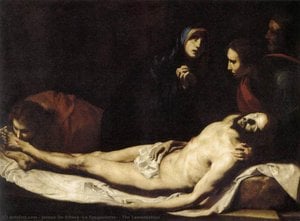
Pietà

Discover Charles Le Brun’s ‘Pietà,’ a breathtaking Baroque masterpiece at the Louvre. Explore its emotional intensity, oil-on-canvas detail & biblical significance – a must-see for art lovers.

Charles Le Brun (1619-1690) a francia barokk festő és art teoretikus! Fedezd fel a Versailles palota díszítőjét, a nagyszerű alkotásait és a francia művészet meghatározó alakját.

Giclée / Műnyomat

Múzeumi minőségű giclée vagy vászonnyomat, gyors gyártással és rugalmas finomítási lehetőségekkel. ( Kézzel festett másolat rendelése Áttérés digitális képre)

Corner sample of the P118B picture frame: formázott polisztirol, 5 cm wide and 3 cm thick
P118B Ft10
Corner sample of the P118H picture frame: formázott polisztirol, 5 cm wide and 3 cm thick
P118H Ft10
Corner sample of the P118W picture frame: formázott polisztirol, 5 cm wide and 3 cm thick
P118W Ft10
Corner sample of the P438Z picture frame: formázott polisztirol, 5.5 cm wide and 3.5 cm thick
P438Z Ft10
Corner sample of the P508JH picture frame: formázott polisztirol, 7 cm wide and 3.5 cm thick
P508JH Ft12
Corner sample of the P508YH picture frame: formázott polisztirol, 7 cm wide and 3.5 cm thick
P508YH Ft12
Corner sample of the P805H picture frame: formázott polisztirol, 5 cm wide and 3.5 cm thick
P805H Ft10
Corner sample of the P805Z picture frame: formázott polisztirol, 5 cm wide and 3.5 cm thick
P805Z Ft10
Corner sample of the P919BZ picture frame: formázott polisztirol, 7 cm wide and 3.5 cm thick
P919BZ Ft10
Corner sample of the P919G picture frame: formázott polisztirol, 7 cm wide and 3.5 cm thick
P919G Ft10
Corner sample of the P919XJ picture frame: formázott polisztirol, 7 cm wide and 3.5 cm thick
P919XJ Ft10
Corner sample of the P959ZH picture frame: formázott polisztirol, 5 cm wide and 3 cm thick
P959ZH Ft10
Corner sample of the P968JZ picture frame: formázott polisztirol, 6 cm wide and 4 cm thick
P968JZ Ft12
Corner sample of the W106C picture frame: tömörfa, 5 cm wide and 3 cm thick
W106C Ft8
Corner sample of the W218G picture frame: tömörfa, 5 cm wide and 3 cm thick
W218G Ft10
Corner sample of the W218JH picture frame: tömörfa, 5 cm wide and 3 cm thick
W218JH Ft8
Corner sample of the W218Y picture frame: tömörfa, 5 cm wide and 3 cm thick
W218Y Ft10
Corner sample of the W307PJ picture frame: tömörfa, 6 cm wide and 3 cm thick
W307PJ Ft10
Corner sample of the W316G picture frame: tömörfa, 6 cm wide and 3 cm thick
W316G Ft10
Corner sample of the W316PJ picture frame: tömörfa, 6 cm wide and 3 cm thick
W316PJ Ft8
Corner sample of the W316Y picture frame: tömörfa, 6 cm wide and 3 cm thick
W316Y Ft10
Corner sample of the W398PJ picture frame: tömörfa, 5 cm wide and 3 cm thick
W398PJ Ft8
Corner sample of the W4111J picture frame: tömörfa, 6.5 cm wide and 3.5 cm thick
W4111J Ft10
Corner sample of the W500HY picture frame: tömörfa, 7 cm wide and 5 cm thick
W500HY Ft15
Corner sample of the W500JH picture frame: tömörfa, 7 cm wide and 5 cm thick
W500JH Ft15
Corner sample of the W692G picture frame: tömörfa, 8 cm wide and 4 cm thick
W692G Ft12
Corner sample of the W849H picture frame: tömörfa, 5 cm wide and 3 cm thick
W849H Ft8
Corner sample of the W940BG picture frame: tömörfa, 7.5 cm wide and 4.5 cm thick
W940BG Ft15
Corner sample of the W953PJ picture frame: tömörfa, 6 cm wide and 3.5 cm thick
W953PJ Ft8

Standard méret
egyedi méretű
CM
INCH

Válasszon előre meghatározott méreteink közül, amelyek megfelelnek a műalkotás eredeti arányainak.

szélesség
magasság

Írja be a keretének vagy a falának megfelelő szélességet és magasságot. A nyomatot csak le lehet vágni, soha nem tehető nagyobbá, mint az eredeti kép, így egy eltérő alakú méretnél a kép egy része elveszik. Mielőtt bármit kinyatintanánk, küldünk egy digitális próbamodellt jóváhagyásra. Az oldalon látható kép nem tartalmazza a valós levágást — ezt csak a próbamodell mutatja meg.

Világszerte történő kiszállítás területére mindössze 2 hét alatt, a szokásos 4-5 hét helyett. (26 október)

Ingyenes globális expressz szállítás
Prémium minőségű len vászon
Teljes körű szállítási biztosítás
Vámvisszatérítési Garancia
Hiteles színarányosság garancia
100 napos visszaküldési lehetőség (csak hibás termékek esetén)
100% pénzvisszatérítési garancia
Több darab vásárlásakor kedvezmény

Összesített ár

Ft 21829

Pietà

Giclée / Műnyomat

Reprodukció mérete

-

Összesített ár

Ft 21829

Gyors információk

  • Year: 1643
  • Dimensions: 146 x 222 cm
  • Influences: Nicolas Poussin
  • Subject or theme: Biblical narrative; Suffering; Faith
  • Title: Pietà
  • Notable elements or techniques: Dramatic lighting; Detailed drapery

Művészeti kvíz

Minden kérdésre csak egy helyes válasz létezik.

Kérdés 1:
What is the primary subject matter of Charles Le Brun’s ‘Pietà’?
Kérdés 2:
Where is Charles Le Brun’s ‘Pietà’ currently housed?
Kérdés 3:
What artistic movement is Charles Le Brun associated with?
Kérdés 4:
Which technique did Le Brun utilize in creating ‘Pietà’?
Kérdés 5:
What is a notable characteristic of the lighting employed in ‘Pietà’?

A Moment Frozen in Time: The Emotional Resonance of Le Brun’s Pietà

In the hallowed stillness of the Musée du Louvre, there exists a canvas that does more than merely depict a biblical event; it captures the very essence of human grief. Charles Le Brun’s Pietà, painted in 1643, is a monumental achievement of the Baroque era, serving as a profound meditation on sorrow, faith, and the weight of mortality. Originally commissioned for the Sainte-Chapelle in Paris—a sanctuary dedicated to the relics of Christ—this oil on canvas was designed to evoke spiritual contemplation through its sheer emotional gravity. As viewers encounter the work, they are not just observing a scene from the Passion; they are invited into a sacred space where the boundaries between the divine and the human dissolve.

The painting centers on the poignant aftermath of the crucifixion, presenting the Virgin Mary cradling the lifeless form of her son. Le Brun masterfully employs a pyramidal composition, a technique that provides a sense of structural stability to an otherwise turbulent emotional scene. This geometric arrangement directs the eye upward, guiding the observer from the heavy, slumped weight of Christ’s body toward the serene yet heartbroken countenance of Mary. The interplay of light and shadow, known as chiaroscuro, is utilized with breathtaking precision. A singular, dramatic light source illuminates the central figures against a dark, indistinct background, stripping away all worldly distractions to focus the soul entirely on the tragedy unfolding within the frame.

Mastery of Technique and the Baroque Spirit

To understand the Pietà is to understand the hand of Charles Le Brun, a titan of French art who shaped the aesthetic standards of the age. His technique reflects the rigorous training he received under masters like Simon Vouet and his transformative years in Rome alongside Nicolas Poussin. In this work, Le Brun achieves a perfect balance between dramatic realism and idealized beauty. The texture of the painting is remarkably rich; one can almost feel the heavy, flowing drapery of Mary’s robes as they cascade around the figures, adding a sense of dynamic movement to the stillness of death. His brushwork captures the subtle nuances of skin, the limpness of muscle, and the intricate folds of fabric, all rendered with an exacting detail that speaks to his mastery of the medium.

Beyond its technical brilliance, the artwork serves as a profound symbolic vessel. The scene is steeped in Christian iconography, representing the ultimate sacrifice and the enduring devotion of the faithful. The presence of figures like Joseph of Arimathea and Mary Magdalene adds layers of communal mourning, yet the focus remains on the intimate bond between mother and son. For the collector or the lover of fine art, this piece offers more than just visual splendor; it provides a window into the 17th-century French soul. It is an ideal centerpiece for those seeking to infuse a space with historical depth, intellectual rigor, and a sense of timeless, quiet majesty.

Kérdések és válaszok

Milyen viszonyban áll egymáshoz a "Pietà" színei?

A „Pietà”, Charles Le Brun alkotása színei Softly Mixed Palette harmóniát mutatnak be. A harmónia azt írja le, hogyan kapcsolódnak egymáshoz a színek.

Mi magyarázza a „Pietà”, Charles Le Brun alkotása szerzői jogi helyzetét?

A „Pietà”, Charles Le Brun alkotása közösségi tulajdon – a szerzői jog lejártt állapotban van. A szerzői jogi védelem időtartama a művész halálától számítódik, amely 1690 évben történt.

A "Pietà" egy híres Baroque művészeti alkotás?

A „Pietà”, Charles Le Brun alkotása a Iconic kategóriába tartozik, és a Baroque irányzat részeként tekinthető.


A művész életrajza

Early Life and Training

Charles Le Brun, a name synonymous with the grandeur of 17th-century French art, was born in Paris in 1619, a city already brimming with artistic ambition. From an early age, it became evident that this young boy possessed a remarkable talent for drawing – a gift nurtured under the watchful eye of his father, a skilled craftsman. At just eleven years old, he entered the prestigious studio of Simon Vouet, a leading Mannerist painter and a prominent figure in the Parisian art scene. This apprenticeship was further enriched by the patronage of Chancellor Séguier, a wealthy nobleman who recognized Le Brun’s potential and provided him with invaluable support.

Le Brun's artistic journey continued to evolve as he sought knowledge from other masters. He diligently studied under François Perrier, another influential painter of his time, absorbing techniques and stylistic nuances. However, it was a four-year sojourn in Rome (1642-1646) that truly shaped the trajectory of his career. During this transformative period, he found himself apprenticed to Nicolas Poussin, one of the most celebrated painters of the era. Poussin’s influence was profound; Le Brun immersed himself in the study of ancient Roman sculpture, meticulously copying works by Raphael and other masters. This experience instilled within him a deep appreciation for classical ideals – a foundation that would later inform his own artistic style.

Artistic Development and Style

Returning to Paris in 1646, Charles Le Brun swiftly established himself as a force to be reckoned with. Initially, his work reflected the stylistic influences of Vouet and Poussin – a harmonious blend of Mannerist elegance and classical restraint. However, he was not content to simply imitate; instead, he embarked on a gradual but deliberate evolution, forging a distinctly personal artistic voice.

Le Brun’s artistic development involved moving away from strict adherence to the rigid conventions of classical models towards a more dynamic and expressive Baroque style. He embraced dramatic compositions, vibrant colors, and meticulous detail – elements that would become hallmarks of his oeuvre. His paintings were not merely representations of reality; they were carefully constructed narratives designed to evoke emotion and inspire awe.

A particularly significant series of works showcased Le Brun’s ability to seamlessly integrate historical narrative with artistic grandeur: a monumental depiction of the history of Alexander the Great. This ambitious undertaking demonstrated his mastery of perspective, color theory, and compositional techniques – skills honed through years of dedicated study and practice. His style was characterized by an almost theatrical quality, as if he were staging a grand drama on canvas.

Major Achievements and Royal Service

Le Brun’s career reached its zenith during the reign of Louis XIV, the “Sun King,” who recognized his immense talent and appointed him First Painter to the King in 1664. This prestigious position granted Le Brun unparalleled influence over French art, effectively making him the arbiter of artistic production within the kingdom.

He played a pivotal role in transforming the Palace of Versailles into a dazzling symbol of royal power and magnificence. His contributions extended far beyond mere decoration; he was responsible for designing countless statues, fountains, and architectural details that contributed to the palace’s overall splendor. Among his most celebrated achievements are the Ambassadors’ Staircase, the Hall of Mirrors (where he oversaw the intricate application of gold leaf), and the Peace and War Rooms – spaces imbued with a sense of history and grandeur.

Furthermore, Le Brun was entrusted with overseeing the creation of the lavish gobelins (large tapestries) that adorned the royal chambers. His designs were both aesthetically stunning and technically masterful, representing a pinnacle of textile art. His influence permeated virtually every aspect of the court’s artistic endeavors.

Legacy and Historical Significance

Charles Le Brun's legacy extends far beyond his individual works; he played a vital role in establishing and promoting French art on an international stage. His meticulous attention to detail, dramatic compositions, and masterful use of color set a new standard for artists throughout Europe.

As a theorist, Le Brun emphasized the importance of intellectual engagement over mere visual appeal. He believed that art should not simply be beautiful; it should also convey meaning and inspire contemplation. This philosophy profoundly influenced artistic education for generations to come, shaping the way young painters were trained and encouraged to approach their craft.

His decorative schemes at Versailles – particularly the Hall of Mirrors – remain iconic examples of Baroque design, setting a standard for royal palaces throughout Europe. Le Brun’s work continues to be studied and admired by art historians and enthusiasts alike, solidifying his place as one of the most important figures in French artistic history.

Charles Le Brun

Charles Le Brun

1619 - 1690 , Franciaország

Rövid információk

  • Artistic Movement Or Style: Barokk
  • Artists Or Movements Influenced By This Artist: ['André-Charles Boulle']
  • Artists Who Influenced This Artist:
    • Simon Vouet
    • Nicolas Poussin
  • Date Of Birth: 1619. Feb 24.
  • Date Of Death: 1690. Feb 12.
  • Full Name: Charles Le Brun
  • Nationality: Francia
  • Notable Artworks:
    • Ambassadorok lépcsője
    • Üvegcsarnok
    • Hóhérlófalkszín
  • Place Of Birth: Párizs, Francia