INGYENES MŰVÉSZETI TANÁCSADÁS

x
Készíttetnék festményként Készíttetnék festménykéntKép letöltése Kép letöltése MegosztásMegosztás
RészletekRészletek Kedvencekhez ad Kedvencekhez ad LetöltésLetöltés Hasonló alkotásokHasonló alkotások X-ray felvételX-ray felvétel DiavetítésDiavetítés

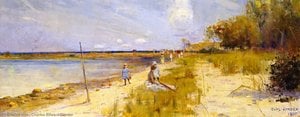
Springime

Experience 'Springime' by Charles Edward Conder (1892). A stunning neo-romantic landscape featuring vibrant pink flowers & warm hues. Hand-painted reproductions available.

Fedezze fel Charles Edward Conder (1868-1909) lenyűgöző tájait és impresszionista jeleneteit, az ausztrál Heidelberg School kulcsfontosságú alakját. Találja meg vibráló festményeit az WahooArt oldalon.

Giclée / Műnyomat

Múzeumi minőségű giclée vagy vászonnyomat, gyors gyártással és rugalmas finomítási lehetőségekkel.

P118B $10
P118H $10
P118W $10
P438Z $10
P508JH $12
P508YH $12
P805H $10
P805Z $10
P919BZ $10
P919G $10
P919XJ $10
P959ZH $10
P968JZ $12
W106C $8
W218G $10
W218JH $8
W218Y $10
W307PJ $10
W316G $10
W316PJ $8
W316Y $10
W398PJ $8
W4111J $10
W500HY $15
W500JH $15
W692G $12
W849H $8
W940BG $15
W953PJ $8

Standard
custom
CM
INCH

Válasszon előre meghatározott méreteink közül, amelyek megfelelnek a műalkotás eredeti arányainak.

szélesség
magasság

Megadhat saját méreteket is egy konkrét kerethez vagy helyszínhez igazítva. Amennyiben a kiválasztott méret nem egyezik az eredeti kép arányokkal, a műalkotást le fogjuk vágni, vagy kiegészítjük a képet tükrözött vagy egyszínű szélekkel. A gyártás megkezdése előtt egy digitális tervezetet küldünk jóváhagyásra.
Kérjük, vegye figyelembe, hogy a képernyőn látható előnézet nem tükrözi a tényleges levágást vagy kiegészítést. Csak a tervezet mutatja pontosan a végső kompozíciót.
Bár az egyedi méretek is elérhetőek, az eredeti arányok megőrzése érdekében azt javasoljuk, hogy válasszon a előre meghatározott listából származó méretet.

Világszerte történő kiszállítás területére 2 hét alatt, a szokásos 4-5 hét helyett. 5 július

why_choose_icon
Ingyenes globális expressz szállítás
why_choose_icon
Prémium minőségű len vászon
why_choose_icon
Teljes szállítási biztosítás
why_choose_icon
Vámvisszatérítési Garancia
why_choose_icon
Tökéletes színpontosság garancia
why_choose_icon
60 napos visszaküldési lehetőség (csak gyártási hibák esetén)
why_choose_icon
100%-os pénzvisszatérítési garancia
why_choose_icon
Kedvezmény több termény esetén

Összesen

-

reproduction

Springime

Giclée / Műnyomat

A reprodukció mérete

-

Összesített ár

-

Rövid tények

  • Medium: Oil on canvas
  • Year: 1892
  • Subject or theme: Springtime scene
  • Notable elements: Pink flowers, warm hues
  • Title: Springime
  • Artistic style: Neo-romantic landscape
  • Influences: British neo-romantic

Művészeti kvíz

Minden kérdésre csak egy helyes válasz létezik.

Kérdés 1:
What is the primary subject of Charles Edward Conder’s ‘Springime’?
Kérdés 2:
In what year was ‘Springime’ painted by Charles Edward Conder?
Kérdés 3:
The painting ‘Springime’ is currently housed at which gallery?
Kérdés 4:
Which artistic movement is ‘Springime’ most closely associated with?
Kérdés 5:
What is a key characteristic of Conder’s style as demonstrated in ‘Springime’?

Termékinformációk

A Moment of Renewal: Introducing Charles Edward Conder’s “Springime”

Charles Edward Conder's "Springime," painted in 1892, isn’t merely a depiction of springtime; it’s an immersion into the very essence of renewal. This oil on canvas, currently residing within the hallowed halls of the Tate Gallery in London, captures a fleeting moment of vibrant beauty – a celebration of burgeoning life against a backdrop of warm, inviting hues. Conder, a pivotal figure in Australia's Heidelberg School movement, masterfully blends Impressionistic techniques with a distinctly Australian sensibility, creating an artwork that resonates with both tranquility and dynamic energy.

The painting immediately draws the eye to its foreground: a profusion of delicate pink blossoms clustered around a graceful tree. These aren’t simply flowers; they are symbols of rebirth, mirroring the season's promise of new beginnings. Behind this vibrant display, a smaller, more distant tree provides depth and scale, anchoring the scene within a broader landscape. The careful layering of colors – from the warm yellows dominating the sky to the subtle greens of the foliage – establishes a harmonious balance between light and shadow, creating an atmosphere that is both luminous and deeply felt.

The Heidelberg School: A New Vision of Australian Art

To fully appreciate “Springime,” it’s crucial to understand its context within the Heidelberg School. Emerging in late 19th-century Australia, this group of artists sought to capture the unique beauty and spirit of their homeland – a landscape vastly different from the European traditions dominating the art world at the time. Rejecting academic formality, they embraced *plein air* painting, working directly outdoors to observe and record nature’s nuances with immediacy and sensitivity. Conder, along with Tom Roberts and Frederick McCubbin, became central figures in this movement, developing a distinctive style characterized by loose brushstrokes, vibrant colors, and an emphasis on everyday Australian life.

Conder's work often reflected his own experiences – his early years in India, his move to Australia, and his travels throughout Europe. “Springime,” however, feels distinctly rooted in the Australian landscape, capturing not just a visual representation but also a feeling of optimism and connection to the natural world. The painting’s composition subtly evokes the vastness of the Australian outback, hinting at both its beauty and its inherent challenges.

Technique and Symbolism: A Dance of Light and Color

Conder's masterful use of color is a defining characteristic of “Springime.” He employs broken brushstrokes to create an impressionistic effect, allowing the colors to blend and shimmer in the viewer’s eye. The warm yellows and oranges of the sky are juxtaposed with the cooler greens and pinks of the foliage, creating a dynamic interplay of light and shadow. The artist's attention to detail is evident in the delicate rendering of the flowers and leaves, as well as the subtle variations in tone that suggest depth and texture.

Beyond its aesthetic qualities, “Springime” carries symbolic weight. The blossoming tree represents hope and regeneration, while the distant landscape suggests a connection to something larger than oneself. The painting’s overall mood is one of serenity and contemplation – an invitation to pause and appreciate the simple beauty of nature. It's a testament to Conder's ability to capture not just what he saw but also what he felt.

Bringing “Springime” Home: Reproductions and Artistic Inspiration

“Springime” is more than just a painting; it’s an experience. High-quality reproductions offer a remarkable way to bring this captivating artwork into your home or office, adding a touch of timeless beauty and tranquility to any space. Whether you're drawn to the painting's vibrant colors, its evocative symbolism, or simply its undeniable charm, “Springime” is sure to inspire and delight.

Hasonló műalkotások


A művész életrajza

korai életút és művészeti utazás

Charles Edward Conder, a británában született festő, litografus és tervező maradandót hagyott a művészet világában. 1868. október 24-én született Tottenham, Middlesex megyében; korai gyermekét tragikus veszteség kísérte, hiszen édesanyja Indiában hunyt el, amikor Conder mindössze négy éves volt.

művészeti karrier Ausztráliában

1884-ben, mindössze 16 éves korán Conder Ausztrália, Sydney mellett telepedett le, ahol nagybátyja mellett dolgozott földmérőként. Azonban hamar rájött, hogy valódi szenvedélye nem a tájak felmérése, hanem azok ecsetvonalakká varázsolása. 1886-ra időre már olyan neves művészek mellett dolgozott, mint Albert Henry Fullwood és Frank Mahony, mint az Illustrated Sydney News festőművésze.

a heidelberg iskola és meghatározó alkotások

Conder mesterműve, a Departure of the Orient – Circular Quay (1888), megmutatta formateremtő képességeinek és virtuóz ecsetvezetésének új diadalonát. Ez a dokkoló parti jelenet, amely a Sydney Cove nyüzsgő kikötőjét ábrázolja, rögtön megvételt nyert a New South Wales Művészeti Galériában, így Conder első alkotása került be egy állami gyűjteménybe.
  • A holiday at Mentone (1888), egy vidám, életre ábrázoló festmény, amely férfiakat és nőket mutat be a tengerparton pihenő módban, szintén Conder munkásságának egyik kiemelkedő példája.
  • A művész kapcsolata G. P. Nerli, egy vándorló olasz festő munkásságával jelentős mélységet adott fejlődésének.
  • Melbournei 9 by 5 Impression kiállításban mutatkozott be Tom Roberts és Arthur Streeton mellett, ami végleg rögzítette helyét a heidelberg iskola mozgalmában.

örökség és későbbi évek

Conder későbbi éveit súlyos egészségügyi problémák sújtották, köztük bénulás és a delirium tremens okozta rohamok. Ennek ellenére nem hagyta abba a festést, és a heidelberg iskola kulcsfontosságú alakjaként örök belegondolni a művészetbe. Művészete Angliában kedvesebben fogadták, mint Párizsban; 1892-ben Henri de Toulouse-Lautrec is megfestette portréját. Tekintse meg Conder műveit a New South Wales Művészeti Galériában, vagy fedezze fel a heidelberg iskola további titkait az WahooArt Charles Edward Conder oldalán.

konklúzió

Charles Edward Conder hatása az ausztrál impresszionizmusra tagadhatatlan. Öröksége, amelyet lenyűgöző festményei és a heidelberg iskola iránti elkötelezettsége meghatároz, ma is inspirációt nyújt a művészettudósoknak és az alkotás szerelmeseinek a világ minden tájáról.
Charles Edward Conder

Charles Edward Conder

1868 - 1909 , Egyesült Királyság

Rövid tények

  • Artistic Movement Or Style: Heidelberg School
  • Artists Who Influenced This Artist:
    • Alfred Daplyn
    • Victor Mann
    • Julian Ashton
  • Date Of Birth: 1868. október 24.
  • Full Name: Charles Edward Conder
  • Nationality: brit
  • Notable Artworks:
    • Departure of the Orient – Circular Quay
    • A holiday at Mentone
    • Under The Southern Sun
  • Place Of Birth: Tottenham, Egyesült Királyság
Fedezze fel a műalkotásokat témák, stílusok és jellemzők szerint csoportosítva.