Megtekintés AR előnézet Kézzel festett másolat rendelése Áttérés digitális képre Küldés
Részletek Útmutató Kedvencekhez ad Letöltés Hasonló darabok X-ray felvétel Diavetítés Statisztika

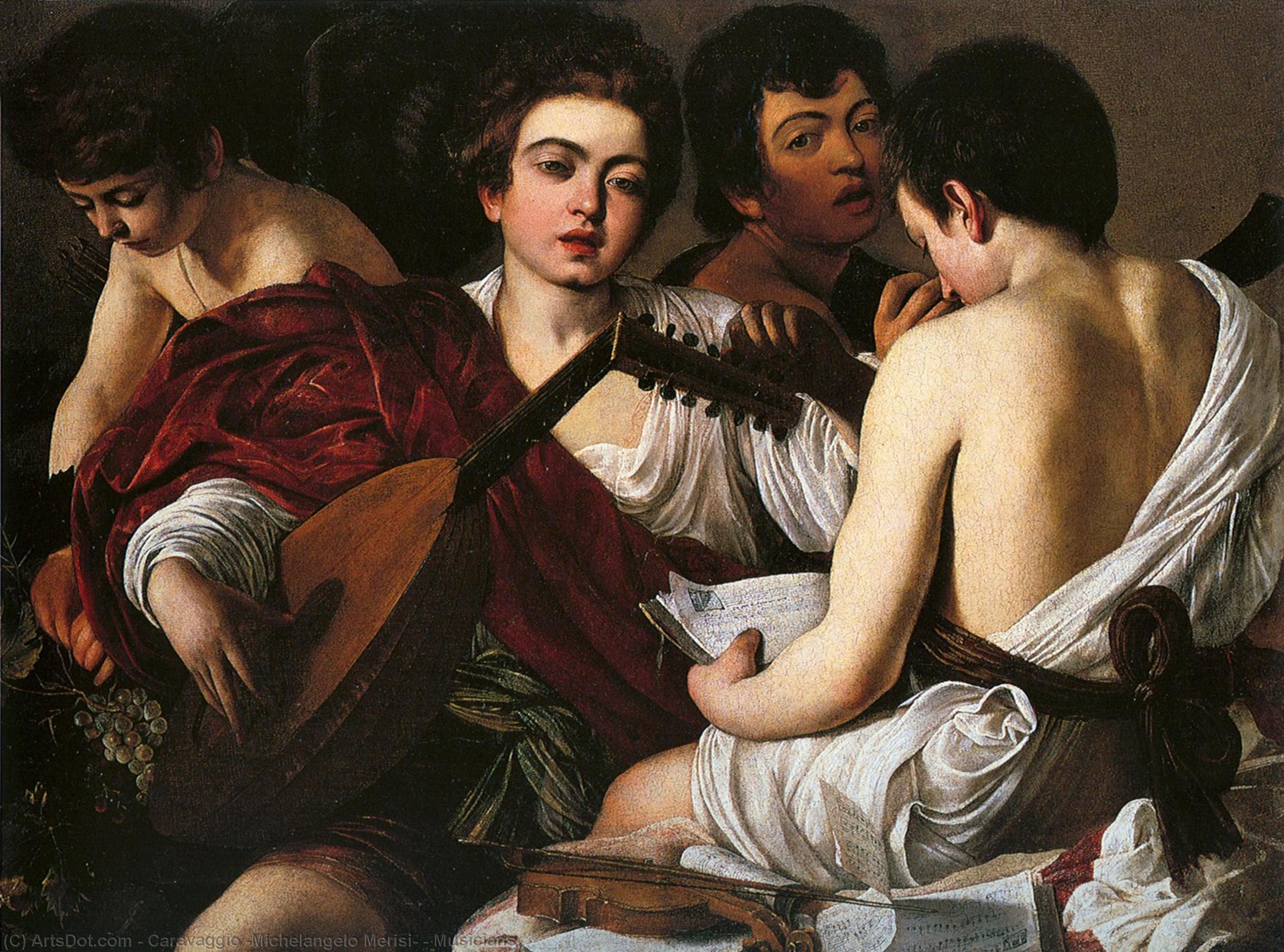
Musicians

Experience Caravaggio's 'Musicians' – a Baroque masterpiece of youthful harmony & dramatic light! Explore the iconic painting’s history, technique & symbolic layers from The Metropolitan Museum.

Caravaggio (1571-1610): Barokk festő, aki a realizmust és a chiaroscuro drámai fényekkel ötvözte. Vallási témák, intenzív érzelmek, forradalmi stílus!

Giclée / Műnyomat

Múzeumi minőségű giclée vagy vászonnyomat, gyors gyártással és rugalmas finomítási lehetőségekkel. ( Kézzel festett másolat rendelése Áttérés digitális képre)

Corner sample of the P118B picture frame: formázott polisztirol, 5 cm wide and 3 cm thick
P118B Ft10
Corner sample of the P118H picture frame: formázott polisztirol, 5 cm wide and 3 cm thick
P118H Ft10
Corner sample of the P118W picture frame: formázott polisztirol, 5 cm wide and 3 cm thick
P118W Ft10
Corner sample of the P438Z picture frame: formázott polisztirol, 5.5 cm wide and 3.5 cm thick
P438Z Ft10
Corner sample of the P508JH picture frame: formázott polisztirol, 7 cm wide and 3.5 cm thick
P508JH Ft12
Corner sample of the P508YH picture frame: formázott polisztirol, 7 cm wide and 3.5 cm thick
P508YH Ft12
Corner sample of the P805H picture frame: formázott polisztirol, 5 cm wide and 3.5 cm thick
P805H Ft10
Corner sample of the P805Z picture frame: formázott polisztirol, 5 cm wide and 3.5 cm thick
P805Z Ft10
Corner sample of the P919BZ picture frame: formázott polisztirol, 7 cm wide and 3.5 cm thick
P919BZ Ft10
Corner sample of the P919G picture frame: formázott polisztirol, 7 cm wide and 3.5 cm thick
P919G Ft10
Corner sample of the P919XJ picture frame: formázott polisztirol, 7 cm wide and 3.5 cm thick
P919XJ Ft10
Corner sample of the P959ZH picture frame: formázott polisztirol, 5 cm wide and 3 cm thick
P959ZH Ft10
Corner sample of the P968JZ picture frame: formázott polisztirol, 6 cm wide and 4 cm thick
P968JZ Ft12
Corner sample of the W106C picture frame: tömörfa, 5 cm wide and 3 cm thick
W106C Ft8
Corner sample of the W218G picture frame: tömörfa, 5 cm wide and 3 cm thick
W218G Ft10
Corner sample of the W218JH picture frame: tömörfa, 5 cm wide and 3 cm thick
W218JH Ft8
Corner sample of the W218Y picture frame: tömörfa, 5 cm wide and 3 cm thick
W218Y Ft10
Corner sample of the W307PJ picture frame: tömörfa, 6 cm wide and 3 cm thick
W307PJ Ft10
Corner sample of the W316G picture frame: tömörfa, 6 cm wide and 3 cm thick
W316G Ft10
Corner sample of the W316PJ picture frame: tömörfa, 6 cm wide and 3 cm thick
W316PJ Ft8
Corner sample of the W316Y picture frame: tömörfa, 6 cm wide and 3 cm thick
W316Y Ft10
Corner sample of the W398PJ picture frame: tömörfa, 5 cm wide and 3 cm thick
W398PJ Ft8
Corner sample of the W4111J picture frame: tömörfa, 6.5 cm wide and 3.5 cm thick
W4111J Ft10
Corner sample of the W500HY picture frame: tömörfa, 7 cm wide and 5 cm thick
W500HY Ft15
Corner sample of the W500JH picture frame: tömörfa, 7 cm wide and 5 cm thick
W500JH Ft15
Corner sample of the W692G picture frame: tömörfa, 8 cm wide and 4 cm thick
W692G Ft12
Corner sample of the W849H picture frame: tömörfa, 5 cm wide and 3 cm thick
W849H Ft8
Corner sample of the W940BG picture frame: tömörfa, 7.5 cm wide and 4.5 cm thick
W940BG Ft15
Corner sample of the W953PJ picture frame: tömörfa, 6 cm wide and 3.5 cm thick
W953PJ Ft8

Standard méret
egyedi méretű
CM
INCH

Válasszon előre meghatározott méreteink közül, amelyek megfelelnek a műalkotás eredeti arányainak.

szélesség
magasság

Írja be a keretének vagy a falának megfelelő szélességet és magasságot. A nyomatot csak le lehet vágni, soha nem tehető nagyobbá, mint az eredeti kép, így egy eltérő alakú méretnél a kép egy része elveszik. Mielőtt bármit kinyatintanánk, küldünk egy digitális próbamodellt jóváhagyásra. Az oldalon látható kép nem tartalmazza a valós levágást — ezt csak a próbamodell mutatja meg.

Világszerte történő kiszállítás területére mindössze 2 hét alatt, a szokásos 4-5 hét helyett. (27 október)

Ingyenes globális expressz szállítás
Prémium minőségű len vászon
Teljes körű szállítási biztosítás
Vámvisszatérítési Garancia
Hiteles színarányosság garancia
100 napos visszaküldési lehetőség (csak hibás termékek esetén)
100% pénzvisszatérítési garancia
Több darab vásárlásakor kedvezmény

Összesített ár

Ft 21829

Musicians

Giclée / Műnyomat

Reprodukció mérete

-

Összesített ár

Ft 21829

A Moment Frozen in Shadow: Caravaggio’s “Musicians”

Michelangelo Merisi da Caravaggio's "The Musicians," painted around 1595, isn’t merely a depiction of four men playing instruments; it’s a carefully constructed tableau brimming with Baroque drama and an intimate sense of camaraderie. This oil on canvas masterpiece, currently residing in the Metropolitan Museum of Art, immediately captivates with its masterful use of *chiaroscuro* – the dramatic interplay of light and dark – a technique that would irrevocably alter the course of Western art. Caravaggio, born in Milan but working primarily in Rome, was already pushing boundaries when he began this work, rejecting the idealized forms favored by his predecessors in favor of a startlingly realistic portrayal of ordinary men engaged in a shared passion. The painting’s power lies not just in its technical brilliance, but also in the palpable feeling of connection between the musicians, a rare and compelling element within the often-isolated figures of his earlier works.

The Dance of Light and Shadow: Technique and Style

Caravaggio's signature style is instantly recognizable in “The Musicians.” He employs *tenebrism*, an even more extreme form of *chiaroscuro*, plunging the scene into deep shadow while highlighting specific figures with pools of intense light. This isn’t simply a stylistic choice; it serves to draw the viewer’s eye, creating a sense of immediacy and focusing attention on the musicians themselves. Notice how the lute player is bathed in a golden glow, contrasting sharply with the darker recesses of the room. The use of loose brushstrokes and a muted color palette further enhances the painting's dramatic effect, lending it an almost palpable texture. Crucially, Caravaggio eschewed preparatory sketches, preferring to work directly onto the canvas – a revolutionary approach at the time that allowed him to capture fleeting moments and imbue his figures with a remarkable sense of life. The composition itself is carefully balanced, guiding the eye through the scene with subtle gestures and spatial relationships.

More Than Music: Symbolism and Context

While ostensibly depicting a musical gathering, “The Musicians” carries deeper symbolic weight. The instruments – a lute, two violins, and a cello – are not merely decorative elements; they represent the diverse facets of artistic expression and communal harmony. The inclusion of a book suggests a rehearsal or performance, hinting at the dedication and discipline required to master any art form. Interestingly, the presence of Cupid, often associated with love and beauty, subtly reinforces the theme of shared passion and the joy derived from creative pursuits. The figures themselves are rendered with remarkable naturalism, capturing their individual personalities and gestures – a departure from the idealized representations common in earlier Renaissance painting. Some scholars believe that Caravaggio may have included a self-portrait within the group, adding another layer of complexity to the scene.

A Legacy Etched in Darkness: Historical Significance

“The Musicians” was painted during a pivotal period in Caravaggio’s career – a time when he was experimenting with new techniques and challenging established artistic conventions. His work began to attract both admiration and controversy, as his realistic depictions of everyday life clashed with the prevailing ideals of beauty and grace. The painting's placement within the Contarelli Chapel at Santa Maria del Popolo in Rome underscored its significance, juxtaposing it with the more traditional works of Annibale Carracci and his followers. Caravaggio’s influence on subsequent generations of artists is undeniable; his dramatic use of light and shadow, coupled with his unflinching realism, paved the way for the development of Baroque art and profoundly impacted the course of Western painting. Today, “The Musicians” stands as a testament to Caravaggio's genius – a captivating masterpiece that continues to resonate with viewers centuries after its creation.

At WahooArt.com, we are proud to offer meticulously crafted oil painting reproductions of this iconic work. Our skilled artists painstakingly recreate every detail, capturing the drama and intimacy of Caravaggio’s original vision using traditional techniques and materials. Bring the power and beauty of “The Musicians” into your home or studio – a timeless treasure for art lovers and collectors alike.

Painting by 'Caravaggio (Michelangelo Merisi)' | Caravaggio (Michelangelo Merisi): Musicians

Painting by 'Caravaggio (Michelangelo Merisi)' | Caravaggio (Michelangelo Merisi): The Musicians

The Musicians (Caravaggio) - Wikipedia

Kérdések és válaszok

Milyen helyiségbe javasolt a „Musicians”, Caravaggio alkotása?

A „Musicians”, Caravaggio alkotása ajánlott egy Nappali számára. Ez a javaslat a mű témáján, színein és hangulatán alapul.

Mit ábrázol a "Musicians"?

„Musicians”, Caravaggio alkotása a következőket ábrázolja: zenélők, karavaggio, barokk.

Hogyan tekinthetem meg előre a(z) „Musicians”, Caravaggio alkotása reprodukcióját?

A „Musicians”, Caravaggio alkotása reprodukciójának megtekintéséhez nyissa meg a mű Előnézet oldalát.


A művész életrajza

Egy Élet az Árnyék és a Fény között

Michelangelo Merisi da Caravaggio, akinek neve összefonódott a barokk festészet drámai intenzitásával, 1571-ben született Milánóban, egy olyan korszakban, amely tele volt művészi virágzással és társadalmi felfordulásokkal. Korai évei veszteséggel voltak terheltek; a pestis elpusztította szülővárosát, hatéves korában elvesztve apját és nagypapáját. Viszonylagos szegénységben nevelkedett, Michelangelo fiatal éveiben mély tudatosság alakult ki az emberi szenvedéssel és ellenállóképességgel kapcsolatban – témák, amelyek később vásznait uralták. Művészi képzését Milánóban kezdte Simone Peterzano alatt, Titian egykori tanítványánál, elsajátítva a reneszánsztudás alapjait, de már ekkor is látszott egy lázadó szellem, amely hamarosan meg fogja törni a hagyományos normákat. Ez a tanulószerződés szilárd alapot biztosított, ám Rómában, körülbelül 1592-ben érkezve találta meg igazán hangját, bár kezdeti küzdelmek és nehézségek nélkül nem is. A város, a művészeti pártfogáság és vallási izgalom élénk központja, egyaránt vonzó és kegyetlen volt az ambiciózus fiatal festő számára.

Forradalmasító Látásmód: Technika és Stílus

Caravaggio megérkezése Rómába a művészet világában földrengést jelentett. Elutasította a korábbi manierista stílust – amelyet mesterképességével és nyújtott formáival jellemeztek – egy kompromisszumot nem ismerő realizmus javára, amely megdöbbentette és lenyűgözte a közönséget. Legmeghatározóbb újítása volt a chiaroscuro mesteri használata, a fény és sötétség drámai kontrasztja, amelyet egyedülálló kifejező erőre emelt. Ez a technika, gyakran tenebrizmus néven ismert, nem csupán esztétikai választás volt; az érzelmi hatás fokozásának eszköze volt, bevonva a nézőt a jelenet szívébe, és képi alakjait tapintható jelenlétével átitatva. Elutasította az idealizált ábrázolásokat, ehelyett a mindennapi embereket – gyakran Róma utcáiról – használta vallási figurák modelljeiként. Ez radikális megközelítés megkérdőjelezte a szépség és szentség hagyományos fogalmait, így téve a szentet kapcsolhatóvá és mélyen emberivé. Kompozíciói gyakran szűkek és közvetlenek voltak, intenzív drámai pillanatokra összpontosítva, legyen szó "A Keresztfogás" brutális realizmusáról vagy "Szent Ferenc asszisziói extázis" csendes elmélkedéséről.

Főbb Művei és Tartós Hatása

Viszonylag rövid pályafutása során Caravaggio olyan munkákat alkotott, amelyek a mai napig rezonálnak a közönséggel. Korai művei, mint például "A Jövőkártya" (1594), tehetségét mutatják a realista részletek és pszichológiai árnyalatok megragadásában. A londoni National Galleryben található "Emmausi vacsora" (1601-1602) példázza a chiaroscuro elsajátítását és a bibliai narratíván belüli mély érzelmi mélység közvetítésének képességét. A "Dávid Goliát fejével" (kb. 1610) különösen kísérteties, gyakran önarcképként értelmezik, amely Caravaggio saját nyugtalan lelkiállapotát tükrözi. Hatása messze túlnyúlt Olaszország határain, inspirálva a "caravaggisták" vagy „árnyékfestők” egy generációját, akik Európa-szerte átvették stílusát. Neves követői közé tartozott Peter Paul Rubens, Jusepe de Ribera és Gerrit van Honthorst, mindegyikük Caravaggio technikáit saját egyedi művészi látásmódjához igazította.

Zűrzavaros Élet és Tartós Örökség

Caravaggio élete ugyanolyan drámai és viharos volt, mint a művészete. Volatil temperamentuma és verekedések iránti hajlama gyakran bajba keverte a törvénnyel, 1606-ban egy gyilkossági váddal végződött, ami arra kényszerítette, hogy elmeneküljön Rómából. A következő négy évét Nápolyban, Máltán és Szicíliában töltötte, festett, miközben kétségbeesetten keresett pápai kegyelmet. Erfőlésének ellenére bűnös maradt, múltja kísértette és személyes konfliktusok sújtották. 1610-ben halt meg Porto Ercoleban, Olaszországban rejtélyes körülmények között – halálának oka máig vitatott, a láztól a mérgezésig terjedő elméletekkel. Rövid élete ellenére Caravaggio művészeti öröksége tanúbizonyságát teszi forradalmasító látásmódjáról és a realizmus iránti töretlen elkötelezettségéről. Megkérdőjelezte kora konvencióit, utat nyitva egy modernebb festészeti megközelítésnek, és maradandó nyomot hagyott a nyugati művészettörténetben. Művei továbbra is ámulatot keltenek és elgondolkodtatnak, emlékeztetve minket a művészet erejére, hogy megvilágítsuk az emberi létezés legsötétebb sarkait.
Caravaggio

Caravaggio

1571 - 1610 , Spanyolország

Rövid információk

  • Artistic Movement Or Style: Barokk, Tenebrizmus
  • Artists Or Movements Influenced By This Artist:
    • Rubens
    • Caravaggisták
  • Artists Who Influenced This Artist:
    • Titian
    • Leonardo da Vinci
  • Date Of Birth: 1571. szeptember 29.
  • Date Of Death: 1610. július 18.
  • Full Name: Michelangelo Merisi da Caravaggio
  • Nationality: Olasz
  • Notable Artworks:
    • A jövőképző
    • Emmausi vacsora
  • Place Of Birth (City And Country): Milánó, Spanyolország
Fedezze fel a műalkotásokat témák, stílusok és jellemzők szerint csoportosítva.