Megtekintés AR előnézet Váltás nyomtatványra Áttérés digitális képre Küldés
Részletek Útmutató Kedvencekhez ad Letöltés Hasonló darabok X-ray felvétel Diavetítés Statisztika

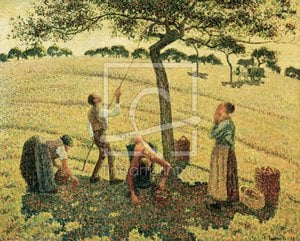
Szőlőmező

Érezd meg Camille Pissarro Szőlőmező című tájképe nyugalmát és színpompáját! Egy igazi impresionista alkotás, mely a fény és légkör gyors változásait mutatja meg. Nézd meg részletes képet itt!

Fedezd fel Pissarro festményeit: lenyűgöző tájak és hétköznapi jelenetek! A művészet egyik legjelentősebb alakja, aki nagy hatással volt Van Goghurt, Cézannre és másokra. Egyedi stílusával a világot ábrázolja!

Kézzel készített olajfestmény reprodukció

Kézzel festett olajvastú vászon, az Ön által választott méretben és keretben, művészeink készítik meglévőre. ( Váltás nyomtatványra Áttérés digitális képre)

Corner sample of the P118B picture frame: formázott polisztirol, 5 cm wide and 3 cm thick
P118B Ft10
Corner sample of the P118H picture frame: formázott polisztirol, 5 cm wide and 3 cm thick
P118H Ft10
Corner sample of the P118W picture frame: formázott polisztirol, 5 cm wide and 3 cm thick
P118W Ft10
Corner sample of the P438Z picture frame: formázott polisztirol, 5.5 cm wide and 3.5 cm thick
P438Z Ft10
Corner sample of the P508JH picture frame: formázott polisztirol, 7 cm wide and 3.5 cm thick
P508JH Ft12
Corner sample of the P508YH picture frame: formázott polisztirol, 7 cm wide and 3.5 cm thick
P508YH Ft12
Corner sample of the P805H picture frame: formázott polisztirol, 5 cm wide and 3.5 cm thick
P805H Ft10
Corner sample of the P805Z picture frame: formázott polisztirol, 5 cm wide and 3.5 cm thick
P805Z Ft10
Corner sample of the P919BZ picture frame: formázott polisztirol, 7 cm wide and 3.5 cm thick
P919BZ Ft10
Corner sample of the P919G picture frame: formázott polisztirol, 7 cm wide and 3.5 cm thick
P919G Ft10
Corner sample of the P919XJ picture frame: formázott polisztirol, 7 cm wide and 3.5 cm thick
P919XJ Ft10
Corner sample of the P959ZH picture frame: formázott polisztirol, 5 cm wide and 3 cm thick
P959ZH Ft10
Corner sample of the P968JZ picture frame: formázott polisztirol, 6 cm wide and 4 cm thick
P968JZ Ft12
Corner sample of the W106C picture frame: tömörfa, 5 cm wide and 3 cm thick
W106C Ft8
Corner sample of the W218G picture frame: tömörfa, 5 cm wide and 3 cm thick
W218G Ft10
Corner sample of the W218JH picture frame: tömörfa, 5 cm wide and 3 cm thick
W218JH Ft8
Corner sample of the W218Y picture frame: tömörfa, 5 cm wide and 3 cm thick
W218Y Ft10
Corner sample of the W307PJ picture frame: tömörfa, 6 cm wide and 3 cm thick
W307PJ Ft10
Corner sample of the W316G picture frame: tömörfa, 6 cm wide and 3 cm thick
W316G Ft10
Corner sample of the W316PJ picture frame: tömörfa, 6 cm wide and 3 cm thick
W316PJ Ft8
Corner sample of the W316Y picture frame: tömörfa, 6 cm wide and 3 cm thick
W316Y Ft10
Corner sample of the W398PJ picture frame: tömörfa, 5 cm wide and 3 cm thick
W398PJ Ft8
Corner sample of the W4111J picture frame: tömörfa, 6.5 cm wide and 3.5 cm thick
W4111J Ft10
Corner sample of the W500HY picture frame: tömörfa, 7 cm wide and 5 cm thick
W500HY Ft15
Corner sample of the W500JH picture frame: tömörfa, 7 cm wide and 5 cm thick
W500JH Ft15
Corner sample of the W692G picture frame: tömörfa, 8 cm wide and 4 cm thick
W692G Ft12
Corner sample of the W849H picture frame: tömörfa, 5 cm wide and 3 cm thick
W849H Ft8
Corner sample of the W940BG picture frame: tömörfa, 7.5 cm wide and 4.5 cm thick
W940BG Ft15
Corner sample of the W953PJ picture frame: tömörfa, 6 cm wide and 3.5 cm thick
W953PJ Ft8

Standard méret
egyedi méretű
CM
INCH

Válasszon előre meghatározott méreteink közül, amelyek megfelelnek a műalkotás eredeti arányainak.

szélesség
magasság

Írja be a kívánt szélességet és magasságot, hogy illeszkedjen a keretéhez vagy a falához. Mivel ez kézzel festett alkotás, egy eltérő formájú méret esetén a művész akár festhet is valamivel többet a kép körül, vagy korolathat is belőle — az Ön döntésének megfelelően. A festés megkezdése előtt küldünk egy digitális tervezetet jóváhagyásra. Az oldalon látható kép nem tartalmazza a végeredményt — csak a tervezet mutatja meg a valódi eredményt.

Példák arra, mit lehet módosítani: az arc kicserélése az ügyfél fotójára; háziállat hozzáadása (pl. macska helyett kutya); rejtett üzenet elhelyezése a háttérben; a háttér tájának vagy elemeinek megváltoztatása.
A rendelést követően a WahooArt.com csapata e-mailt küld az ügyfélnek az instrukciókért, és biztosít egy előnézeti képet (mockup).

Világszerte elérhető szállítás () 3-4 hét alatt a szokásos 5 hét helyett. (27 október). A minőség nem kérdőjelezhető.

Ingyenes globális expressz szállítás
Prémium minőségű len vászon
Teljes körű szállítási biztosítás
Vámvisszatérítési Garancia
Hiteles színarányosság garancia
100 napos visszaküldési lehetőség (csak hibás termékek esetén)
100% pénzvisszatérítési garancia
Több darab vásárlásakor kedvezmény

Összesített ár

Ft 87811

Szőlőmező

Reprodukciós technika

Reprodukció mérete

-

Összesített ár

Ft 87811

Gyors információk

  • Dimensions: Nem ismert
  • Movement: Impresszionizmus
  • Location: Nem ismert múzeum vagy gyűjtemény
  • Notable elements or techniques: Szabad ecsetvonás, fény és légkör megközelítése
  • Influences: Jean-François Millet
  • Year: 1877

Művészeti kvíz

Minden kérdésre csak egy helyes válasz létezik.

Kérdés 1:
Mik az Ételek című festmény művésze?
Kérdés 2:
Milyen művészeti irányzat jellemzi az Ételek című alkotást?
Kérdés 3:
A festmény fő színskála milyen színeket tartalmaz?
Kérdés 4:
Mi jellemzi az Ételek című művészi technikáját?
Kérdés 5:
A festmény milyen környezeti elemeket mutat meg?

A mező szépsége és Pissarro impresszionista látása

A Camille Pissarro által alkotott „Mező” című festmény egy igazi klasszikus az impresszionizmus művészetében, mely megköszöntözhető érzelmi mélységével és részletes tudományos elemzésével. Egy nyugodt vidéki táj képzete, amely tükrözi Pissarro nagy mestertől származó látását és érzését a természet szépsége felé. ### Szellem és Technikák – Az impresszionizmus alapjai A festmény 1877-ben született és egyetlen érdekelt művészt használ el: az impresszionista stílust. Ez a művészi irányzat nem foglalkozik nagy tömegével, hanem inkább egy kiváló érzékkel és részletes tudományos elemzéssel lehet igazán megismerni. Pissarro technikája alapvetően szabad ecsettel való munkát jelöl meg, mely célja az fény és árnyék változásának pontos követése és ábrázolása. Az alkotó színek használata intenzív és dinamikus, ami nagyban hozzájárul a táj érzékeny atmoszférájához és érzelmi hatásához. Egy különösen fontos elem pedig az ecsettel való munka részlete – Pissarro művésze nem csak egy egyszerű képet festett meg, hanem egy egész világot próbált megörökíteni. ### Tárlat és Kontextus – Egy korszak művészete A „Mező” című alkotás nagy jelentősége rejthető el azon túl, hogy egy szép tájképet mutat be, hanem azt is tükrözi az időszak művészetének jellegét és értékeit. Az 1870-es évek végén született festmény részletes vizsgálata során számos fontos adat kerül előrehozásra: elsősorban az impresszionizmus elődintézetének alapításával és a művészek új megközelítésével kezdődő változásának tükrözése. Az alkotó figyelme nagyban koncentrált az időjárási körülmények és fényviszonyok pontos érzékelésére és ábrázolására, mely különösen fontos szerepet játszik egy tájkép művészi értékének megteremtésében. Egy hasonló művészeti irányzatnak elődintézetét alapító művészt pedig nem lehet elhagyni, amikor egy korszak művészetét vizsgáljuk. ### Szimbolizmus és Érzelmi Hatás – Egy nyugodt gondolatvilág tükre A „Mező” című festmény színei és kompozíciója mély érzelmeket idéz elő az őrző szemében, melyeket nem lehet elhagyni egy művészi alkotás vizsgálata során. Az alkotó használta fel minden eszközt és technikát, hogy megköszöntözhető módon tükrölje meg a természet szépségét és nyugalmát – egy olyan világot, amely képes megváltoztatni az emberek gondolatvilágát és érzelmi állapotát. Egy ilyen művészi alkotás vizsgálata során minden egyes részlete fontos szerepet játszik, melyet nem lehet elhagyni egy művészi érték megismeréséhez. Ezért különösen értékes egy olyan festmény számára, amely képes megköszöntözhető módon tükrözni az időszak művészetének jellegét és értékeit. Egy ilyen művészi alkotás vizsgálata során minden egyes részlete fontos szerepet játszik, melyet nem lehet elhagyni egy művészi érték megismeréséhez.

Kérdések és válaszok

Van-e rozšíngtott valóság (AR) előnézete a(z) "Szőlőmező" alkotásnak?

A „Szőlőmező”, Pissarro alkotása Kiterjesztett valóság előnézet oldala kiterjesztett valóságot használ, hogy az alkotást egy kompatibilis eszközön, az Ön saját környezetében is megmutassa.

Melyik tér harmonizál a „Szőlőmező”, Pissarro alkotása színeivel?

A Sötét tónusok színei miatt a "Szőlőmező" mű egy Nappali számára javasolt.

Milyen más nevét vagy álneveit használ még Pissarro?

Pissarro a következő más néven is ismert: Camille Pissarro, Jacob Abraham Camille Pissarro.


A művész életrajza

A Life Rooted in Observation: The World of Camille Pissarro

Camille Pissarro, a name synonymous with both the birth and evolution of Impressionism, was an artist whose life mirrored the shifting landscapes he so devotedly captured on canvas. Born Jacob Abraham Camille Pissarro on July 10, 1830, in Charlotte Amalie, St. Thomas – then part of the Danish West Indies, now the US Virgin Islands – his origins were as diverse and vibrant as the scenes that would later define his artistic vision. His father, a Portuguese Jewish merchant with French nationality, and his mother, from a French-Jewish family on the island, instilled in him a unique cultural heritage. This upbringing, somewhat unconventional due to familial complexities, fostered an early sensitivity to the world around him, a quality that would become the cornerstone of his artistic practice. His initial formal training at the Savary Academy near Paris provided a foundation in traditional techniques, but it was his return to St. Thomas and subsequent work as a cargo clerk that truly ignited his passion for observation. The bustling harbor, the vibrant local life, and the raw beauty of the Caribbean landscape became his first subjects, shaping an eye keenly attuned to the nuances of everyday existence.

From Realism to Revolution: Artistic Development

Pissarro’s artistic journey was one of constant exploration and refinement. After a period assisting Danish painter Anton Melbye in Paris, he immersed himself in the works of masters like Gustave Courbet, Jean-Baptiste-Camille Corot, and Honoré Daumier – artists who championed realism and social commentary. He initially sought acceptance within the established art world, exhibiting at the Paris Salon, but soon found its constraints stifling. A pivotal moment came with his embrace of *plein air* painting—working outdoors directly from nature—a practice encouraged by Corot that would become central to Impressionism. This shift wasn’t merely technical; it represented a philosophical change, a desire to capture the fleeting effects of light and atmosphere, the very essence of a scene rather than its precise representation. He began experimenting with looser brushwork and brighter palettes, moving away from academic conventions towards a more subjective and expressive style. His early landscapes, though still grounded in realism, hinted at the revolutionary path he was about to forge. This period saw him grappling with finding his own voice amidst the burgeoning artistic ferment of Paris, a city undergoing rapid transformation that provided endless inspiration.

The Father Figure of Impressionism

Camille Pissarro wasn’t simply *an* Impressionist; he was arguably its most steadfast and unifying force. Uniquely, he exhibited at all eight Paris Impressionist exhibitions between 1874 and 1886, acting as a stabilizing presence within a group often characterized by internal disagreements and individual ambitions. He wasn’t merely present—he actively encouraged his fellow artists, offering support, guidance, and a much-needed sense of camaraderie. This earned him the affectionate nickname “the father figure” of the movement. His commitment to artistic freedom and innovation was unwavering, even in the face of critical scorn and public indifference. He believed in the power of collective action and championed the idea of artists exhibiting independently from the Salon’s restrictive rules. Beyond his own work, Pissarro's influence extended to a younger generation of artists, including Paul Cézanne, Vincent van Gogh, and Paul Gauguin, whom he mentored and profoundly impacted. He provided them with not only technical advice but also a philosophical framework for their artistic explorations. His willingness to experiment led him briefly into Neo-Impressionism, influenced by Georges Seurat and Paul Signac’s pointillist techniques, before ultimately returning to a more personal style that blended his earlier influences with new discoveries.

Landscapes of Life: Themes and Legacy

Pissarro's artistic output was remarkably diverse, yet consistently focused on the world around him. He is celebrated for his depictions of both rural and urban landscapes, often portraying scenes of everyday life—peasants working in fields, bustling Parisian streets, quiet village squares. His paintings weren’t simply picturesque views; they were social commentaries, reflecting his deep empathy for the working class and his commitment to depicting their lives with dignity and respect.
  • Landscapes: Renowned for capturing the beauty of both countryside and city life.
  • Scenes of Parisian Life: Vivid portrayals of a rapidly changing metropolis.
  • Peasant Life: Reflecting his social consciousness and empathy for the working class.
His later works, particularly those created during periods of political unrest or personal hardship, often carry a sense of melancholy and social critique. Pissarro’s legacy extends far beyond his beautiful paintings. He was a champion of artistic freedom, a mentor to generations of artists, and a pioneer in the development of modern art. His commitment to *plein air* painting revolutionized landscape art, while his willingness to experiment with different styles demonstrated his intellectual curiosity and unwavering dedication to his craft. Camille Pissarro’s art is not merely a record of the world as it was; it is a testament to the power of observation, empathy, and artistic innovation.

Pissarro

Pissarro

1830 - 1903 , Dán-Antillák

Rövid információk

  • Artistic Movement Or Style: Impressionista, Divizionista
  • Artists Or Movements Influenced By This Artist:
    • Cézanne
    • Van Gogh
    • Gauguin
  • Artists Who Influenced This Artist:
    • Courbet
    • Corot
    • Daubigny
  • Date Of Birth: 1830. július 10.
  • Date Of Death: 1903. november 13.
  • Full Name: Camille Pissarro
  • Nationality: Dán-francia
  • Notable Artworks:
    • A Boulevard Montmartre
    • Betakarítás Pontoise-ban
  • Place Of Birth: Charlotte Amalie, USA
Fedezze fel a műalkotásokat témák, stílusok és jellemzők szerint csoportosítva.