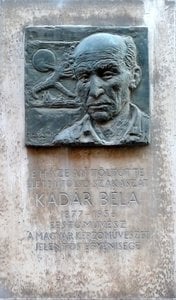
A magyar avantgárd hangja: Béla Kádár élete és művészete
Béla Kádár 1877-ben született egy budapesti arbejórú zsidó családba, és útja a 20. század eleji avantgárd művészet kulcsfontosságú alakjává egy olyan folyamat volt, amelyet mind a nehézségek, mind a művészeti felfedezésre irányuló rendíthetetlen elkötelezettség formált. Beiseksztett iskolai eğitimi mindössze hat évre terjedt, ám ez a hagyományos iskolai oktatás hiánya úgy tűnt, felszabadította őt a konvencionális korlátok alól, lehetővé téve egy egyedülálló, személyes vizuális nyelv kialakulását. Kádár nem ecsettel a kezében kezdte szakmai életét, hanem vaslatmesteri tanoncként – egy olyan mesterség, amely mélyrehatóan befolyásolta művészeti érzékét, formára, struktúrára és az ipari anyagokban rejlő természetes szépségre való mély ismeretet sulykolva bele. Még ezekben az első években is átszivárgott belőle a kreatív szellem; kezdetben falmalások festésére összpontosított Budapest különböző pontjain, demonstrálva veleszületett hajlamát a nagyszabású vizuális kifejezésre és a történetmesélésre. Ez az alapozó időszak fe奠ezte meg azokat a merész és dinamikus kompozíciókat, amelyek később meghatározták egész életművét.
Párizs, Berlin és a stílusok szintézise
Kádár művészeti fejlődésének valódi katalizátora 1910-ben, a párizsi és berlini utazásokkal érkezett el. Ezek az utak megismértették őt a Nyugat-Európát áramló feltörekvő avantgárd mozgalmakkal, irrevocálisan megváltoztatva művészi pályafutását. Találkozott a Der Blaue Reiter radikális ötleteivel, a kubizmus fragmented formáival, a futurizmus dinamizmusával és az új-primitivizmus nyers energiájával – olyan hatásokkal, amelyeket nem egyszerűen egyszerűen átvette, hanem egy sajátos, egyedi vizuális szavazatkává való szintézisbe olvasztott. Kádár nem elégedett egyetlen „iskola” pripadással; helyette a formák, színek és kompozíciók állandó felfedezésére vándorolt, vezérlő motivumként egy éhség nélkül kémelve a hagyományos ábrázoló művészet korlátaitól való szabadságvágytól. Magába szívta a konstruktivizmus elemeit és még a metafizikai festészet álomszerű minőségeit is, összefonva őket egy összetett szövetbe, amely egyedi perspektíváját tükrözte. Ez az időszak döntő fordulópontot jelentett számára, átalakítva őt a prometikus falmálóst egy valóban innovatív művészi személyiséggé, aki már az nemzetközi elismerés küszöbén állt.
Elismeret és nemzetközi hírnév
Kádár áttörése 1923 októberében érkezett el, Herwarth Walden neves Berliniek Galerie der Sturm című galériájábanจัด rendezett kiállتással. Ez a prezentáció kifejezetten expresszionista stílusban mutatta be műveit, amely azonnal felkeltette a figyelmet, és megalapozta helyét az európai művészethez tartozó erőként. A galéria, amely ismert arról, hogy pártfogója a radikális új művészi hangoknak, ideális platformot biztosított Kádár számára, hogy kapcsolatba kerüljön olyan gyűjtőkkel és kortárs művészekkel, akik megosztották vele az kísérletezés iránti elkötelezettséget. Nemzetközi profilját tovább erősítette New Yorkban, a Brooklyn Museum of Artban 1926-ban és 1928-ban Katherine Dreier által szervezett két kiállítás. Különösen fontos volt, hogy Kádár részt vett a második kiállításon is, megerősítve jelenlétét az amerikai művészeti tájon, és értékes kapcsolatokat szövött az átláton túl növekvő modernista mozgalmakban. Ennek időszakának festményei gyakran magyar népmesékből vett motívumokat, intime portrékat és falusi élet pillanatokat ábrázoltak – témákat, amelyeket merész színpalettával és dinamikus koménlókkal örökítettek meg, lenyűgözve a hazája szellemét és a modern kor energiáját egyaránt.
A merész innováció öröksége
Béla Kádár művészeti stílusa azonnal felismerhető vibráló és kifejező színhasználatáról, gyakran alkalmazva nem-naturalisztikus tónusokat az érzelmek és az atmoszféra közvetítésére. Kompozícióit a mozgás és az energia érezhető érzéke jellemzi, amelyet a vászonon vibrálónak tűnő vonalak, alakok és formák kölcsönhatása ér meg. Gyakran alkalmazott impasto technikát – vastag festékrétegek felvételét –, texturált felületeket alkotva, amelyek fokozzák művei vizuális hatását és érintésre is meghívják a nézőt. De talán ami valóban megkülönbözteti Kádárt, az a niezwyül képessége, hogy ezeket a diverse művészeti hatásokat egy koherens és eredeti stílusba képes szintekozni. Ő egy kulcsfontosságú összekötőelem a magyar avantgárd és korának szélesebb körű európai mozgalmai között, művészetében tükrözve a 2én század eleji társadalmi és politikai zűrzavarosságot. Bár életében nem mindig volt olyan széles körben ünnepelt, mint kortársai, Kádár munkássága az utóbbi évtizedekben újjászületett, a tudósok egyre inkább elismerik jelentős hozzájárulását a modern művészethez. 1956-ban Budapesten halt meg, magára hagyva merész és innovatív festményei örökségét, amelyek ma is inspirálják a művészeket és lenyűgözik a közönséget – egy olyan művész állandó erejének bizonyítékaként, aki merészséggel vállalta saját útjának kialakítását.
Kádár művészetének főbb jellemzői
- Merész színpaletta: Kádár híres volt színei vibráló és kifejező használatáról, gyakran alkalmazva nem-naturalisztikus árnyalatokat az érzelmek és hangulat közvetítéséhez.
- Dinamikus kompozíció: Műveit a mozgás és az energia érzése jellemzi, amelyet a vonalak, alakok és formák kölcsönhatása hoz létre.
- Impasto technika: Gyakran használt vastag festékrétegeket (impasto) a texturált felületek kialakításához és művei vizuális hatásának fokozásához.
- Egyedi szintézis: Kádár képessége a különböző művészeti hatások egy összefüggő és eredeti stílusba való integrálására kiemeli őt a 20. század eleji művészet jelentős alakjává.
- Témák és motívumok: Festményei gyakran ábrázolnak népi motívumokat, falusi életet és intime portrékat, merész színekkel és dinamikus kompozíciókkal megjelenítve. Emellett absztrakt témákat is felfedezett, és kísérletezett fragmentált formákkal.



 Előnézet
 Váltás nyomtatványra
 Megosztás
 Megosztás
 Részletek
 Útmutató

 Letöltés
 Hasonló darabok
 X-ray felvétel
 Diavetítés
 Statisztika
 Tovább olvasom