INGYENES MŰVÉSZETI TANÁCSADÁS

x
Nyomat vásárlása Nyomat vásárlásaKészíttetnék festményként Készíttetnék festményként MegosztásMegosztás
RészletekRészletek Kedvencekhez ad Kedvencekhez ad LetöltésLetöltés Hasonló alkotásokHasonló alkotások X-ray felvételX-ray felvétel DiavetítésDiavetítés

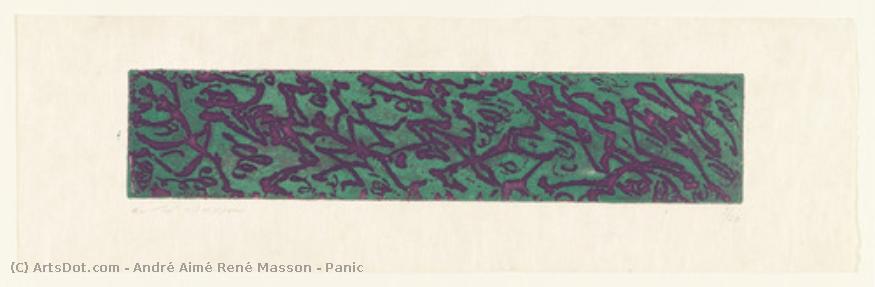
Panic

Experience 'Panic' by André Masson – a surrealist etching of swirling chaos and raw emotion. Explore the artist’s automatic drawing style & delve into themes of anxiety & primal energy.

"meta_description": "André Masson francia szürrealista festő, aki az automatikus rajzolással és homokfestményekkel vált híressé. A Gewalt, erotika és metamorfózis témáit ábrázolja, nagy hatással volt az absztrakt ekspreszionizmusra."

Vásároljon egy nagy felbontású, javított digitális képet, amely sokkal jobb minőségű, mint az online előnézet.

Minden fájlt szakembereink a legmodernebb eszközök és precíz, kézi retusálás segítségével készítenek el aprólékosan. Gondoskodunk arról, hogy minden kép kivételes tisztasággal, pontos színhelyességgel és részletgazdag finomsággal rendelkezzen.

A végleges fájl 72 órán belül e-mailben megérkezik, professzionális, szerkesztői és nyomtatási környezetbe optimalizálva az azonnali használathoz. Ez ugyanaz a minőség, amelyben a legmeghatározóbb tervezőstúdiók, kiadók és galériák is megbízhatnak.

Digitális alkotás

Töltsön le nagy felbontású fájlt személyes kiállításokhoz, nyomtatáshoz és kreatív projektekhez.

Összesen

$9.99

Minden digitális kép rendeléséhez tartozó extrák

Szakértői digitális kézbesítés, garantáltan

Amikor a WahooArt.com weboldalt választja, nem csupán egy képet kap – professzionálisan felmagasított digitális műalkotást kap, amely precizitással készült, és amelyet megelégsedési gwarancia tesz biztoslássá. Az alábbiakban automatikusan minden benne 】

shipping_icon
Gyors e-mail teslimítés

A nagy felbontású digitális képmásolatát a megrendelést követő 72 órán belül e-mailben elküldjük Önnek – azonnal használható formátumban.

canvas_icon
MI-alapú digitális feldolgozású fájl

Műve professzionális módon kerül optimalizálásra fejlett mesterséges intelligencia eszközök és manuális szerkesztés segítségével, biztosítva a maximális részletességet, tisztaságot és színpontosságot.

insurance_icon
Örök életű ingyenes újradelivery

Véletlenül törölted vagy elvesztetted a fájlodat? Ne aggódj – bármikor ingyenesen újra megküldjük neked.

tax_icon
Nincs importköltség – soha

Élvezze műalkotásait azonnal, vám, illeték vagy szállítási költség nélkül – a digitális letöltések mindig adamentesek.

color_icon
Színpontosság Garancia

Professzionális eszközök és színkezelés segítségével garantáljuk, hogy digitális képe a lehető legpontosabban tükrözze az eredeti színeket.

return_icon
60 napos elégedettségi garancia

Ha nemມີ elégedett a digitális képpel, 60 napon belül átmunkáljuk azt, vagy 100% visszatérítjük az amountot – kérdés nélkül.

guarantee_icon
100% Pénzvisszatérítési garancia

Nem érheted el a teljes elégedettséget? 60 napon belül teljes visszatérítést kapsz a digitális fájlod megérkezése után – kérdés बिना.

discount_icon
Tömegrendelési kedvezmények

Vásároljon 3 képet, spóroljon 10%-et - Vásároljon 5-öt, spóroljon 15%-et - Vásároljon 10+ képet, spóroljon 20%-at. Kiváló kreatív projektekhez, galériákhoz és ügynökségekhez.

Rövid tények

  • Notable elements: Biomorphic shapes
  • Influences: Automatic Drawing
  • Artistic style: Abstract Expressionism
  • Location: MoMA, New York
  • Title: Panic
  • Year: 1955
  • Dimensions: 6.1 x 28.4 cm

Művészeti kvíz

Minden kérdésre csak egy helyes válasz létezik.

Kérdés 1:
What is the primary emotion conveyed by André Masson’s ‘Panic’?
Kérdés 2:
Which artistic movement is most closely associated with André Masson’s style in ‘Panic’?
Kérdés 3:
The swirling lines and shapes in ‘Panic’ are most likely intended to represent:
Kérdés 4:
What year was André Masson’s ‘Panic’ created?
Kérdés 5:
The color palette of ‘Panic’, featuring teal and purple, contributes to the artwork’s overall effect by:

A gyűjtemény leírása

The Raw Nerve of Anxiety: Unpacking André Masson’s “Panic”

André Masson's "Panic," created in 1955, isn’t merely a painting; it’s an excavation. A visceral plunge into the turbulent depths of the human psyche, rendered with a frenetic energy that both unsettles and compels. This etching, executed on paper, captures a moment suspended between chaos and control, reflecting the anxieties simmering beneath the surface of post-war Europe – a period Masson himself deeply inhabited through his pioneering work in Surrealism and Automatism.

The composition immediately assaults the senses. A dominant teal background—a shade suggestive of both twilight and unease—is fractured by swirling, violently intertwined lines in shades of purple and magenta. These aren’t neat, controlled strokes; they are a deliberate act of disruption, mirroring the feeling of being overwhelmed by internal turmoil. The lack of a clear focal point forces the viewer's eye to dart across the surface, mimicking the restless, fragmented experience of panic itself. The overall effect is less about depicting a specific scene and more about conveying an intense emotional state – a raw, unfiltered expression of anxiety.

Automatism: A Journey Beyond Conscious Control

Masson’s technique—Automatism—was central to his artistic practice. Rejecting the constraints of rational thought and deliberate planning, he sought to tap into the unconscious mind through spontaneous action. In “Panic,” this manifests as a seemingly chaotic outpouring of lines, yet beneath the surface lies a carefully orchestrated process. Masson would often begin with sand drawings, allowing the subconscious to dictate the initial forms, then translate these images onto paper using various tools – in this case, etching techniques—to create the final image. This method aimed to bypass conscious control and reveal hidden emotions and associations.

The influence of Surrealism is undeniable, but Masson’s approach extends beyond simple dream imagery. He was deeply interested in primal emotions, exploring themes of violence, eroticism, and metamorphosis – all powerfully represented within the swirling forms of “Panic.” The piece echoes the work of artists like André Breton and Joan Miró, yet possesses a uniquely personal intensity, reflecting Masson's own struggles with psychological turmoil.

Symbolic Echoes: Violence, Repression, and the Unconscious

The imagery within "Panic" is rich in symbolic potential. The tangled lines can be interpreted as representing repressed emotions struggling to surface, a visual manifestation of internal conflict. The use of dark teal and vibrant purples and magentas creates a dramatic contrast, suggesting a battle between opposing forces – perhaps order versus chaos, reason versus instinct. Some viewers have noted the resemblance to organic forms—twisted limbs or distorted figures—suggesting a sense of fragmentation and loss of control.

Interestingly, Masson’s work frequently engaged with themes of violence, reflecting anxieties prevalent in post-war Europe. The piece can be seen as an exploration of the destructive potential within the human psyche – a warning against succumbing to overwhelming fear and losing oneself in the chaos of internal struggle. The title itself—"Panic"—underscores this central theme, encapsulating the feeling of being trapped within one’s own anxieties.

A Legacy of Raw Emotion: Masson's Enduring Impact

“Panic” stands as a powerful testament to André Masson’s innovative approach to art. It’s not a comfortable piece; it demands engagement and invites introspection. His exploration of Automatism, combined with his unflinching portrayal of psychological turmoil, cemented his place as a key figure in the Surrealist movement and beyond. Reproductions of this work continue to resonate today, offering a glimpse into the complexities of the human experience – a reminder that beneath the surface of everyday life, there often lies a turbulent landscape of anxieties and unresolved emotions.

Hasonló műalkotások


Művész életrajza

André Masson: A Surrealist Pioneer’s Journey Through the Unconscious

André Masson, a name synonymous with both surrealism and groundbreaking artistic techniques, was born in Balagny-sur-Thérain, a small town just north of Paris, on January 4th, 1896. His life unfolded as a fascinating tapestry woven from early artistic training, wartime experiences, and an unwavering dedication to exploring the depths of the human subconscious. Masson’s legacy isn't simply defined by his paintings; it resides in his revolutionary approach to artmaking – a method that blurred the lines between conscious control and spontaneous expression, forever altering the landscape of 20th-century art.

Early Years and Artistic Foundations

Masson’s artistic journey began at the tender age of eleven when he enrolled at the Académie Royale des Beaux-Arts in Brussels. Under the tutelage of Constant Montald, he received a solid foundation in traditional painting techniques, developing a keen eye for form and composition. However, it was during this period that his initial inclinations towards Cubism began to surface – an early engagement with the radical experimentation taking place within the modern art world. These formative years instilled in him not just technical skill but also a restless curiosity, a desire to push beyond conventional boundaries and delve into uncharted artistic territories.

The Surrealist Embrace: Automatic Drawing and Beyond

Masson’s life took a dramatic turn in the mid-1920s when he became deeply immersed in the burgeoning Surrealist movement. He wholeheartedly embraced automatic drawing – a technique that involved creating artwork without conscious control, allowing the subconscious to dictate the hand's movements. This wasn’t merely chance; it was a deliberate attempt to bypass rational thought and tap into the raw, unfiltered imagery residing within the mind. He collaborated closely with other prominent Surrealists like Antonin Artaud, Michel Leiris, Joan Miró, Georges Bataille, Jean Dubuffet, and Georges Malkine, fostering an incredibly vibrant artistic community fueled by shared experimentation and a desire to challenge established norms. Masson’s work during this period frequently explored themes of violence, eroticism, and metamorphosis – subjects that deliberately defied traditional artistic conventions, reflecting a profound shift in perspective.

Innovative Techniques: Sand, Glue, and the Canvas

Masson's most distinctive contribution to art lies in his innovative techniques. He developed a method of applying sand and glue directly onto canvas, creating textured, layered paintings based on the unpredictable patterns formed by the materials. This process wasn’t about meticulous control; it was about embracing chance and allowing the resulting shapes to guide the artist’s hand. He also pioneered automatic drawing – numerous pen-and-ink works showcasing his innovative approach to art. These techniques combined to produce a uniquely expressive style, characterized by dynamic lines, biomorphic forms, and a palpable sense of movement. His work during this period often explored violent or erotic themes, reflecting a departure from traditional artistic conventions.

War, Exile, and American Influence

The outbreak of World War II dramatically altered the course of Masson’s life. His work was condemned as “degenerate” by the Nazis, forcing him to flee France with the assistance of Varian Fry. He sought refuge in the United States, where he encountered a new wave of artistic experimentation. This period proved profoundly influential, exposing him to American Abstract Expressionists like Jackson Pollock and significantly shaping his own evolving style. Returning to France after the war, Masson settled in Aix-en-Provence, shifting his focus towards landscape painting – a move that reflected a desire for greater naturalism while retaining the expressive qualities of his earlier work.

Legacy and Enduring Impact

André Masson’s impact on the art world is undeniable. He wasn't simply an artist; he was a pioneer who redefined the possibilities of artistic expression. His exploration of the subconscious, combined with his innovative techniques, continues to inspire artists today. His influence can be seen across various movements, from Cubism to Abstract Expressionism, solidifying his position as one of the most important figures in modern art history. Masson’s legacy is a testament to the power of artistic experimentation and the enduring allure of the unconscious mind.
André Masson

André Masson

1896 - 1987 , Franciaország

Rövid tények

  • Artistic Movement Or Style:
    • Surrealizmus
    • Kubbizm
  • Artists Or Movements Influenced By This Artist:
    • Jackson Pollock
    • Körkép
  • Artists Who Influenced This Artist: ['André Derain']
  • Date Of Birth: Január 4, 1896
  • Date Of Death: Október 28, 1987
  • Full Name: André Aimé René Masson
  • Nationality: Francia
  • Notable Artworks:
    • Beyond
    • Landsc. sziklákkal
    • A szerelmek metamorfozása
    • Pygmalion
  • Place Of Birth: Balagny-sur-Thérain, Franciaország