Megtekintés AR előnézet Kézzel festett másolat rendelése Áttérés digitális képre Küldés
Részletek Útmutató Kedvencekhez ad Letöltés Hasonló darabok X-ray felvétel Diavetítés Statisztika

Shore Pattern

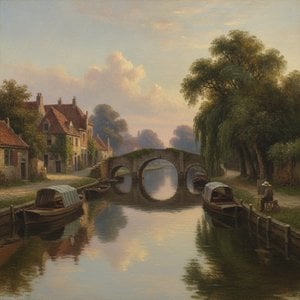
A serene forest scene featuring lush greenery and tranquil waters by renowned Canadian artist Alfred Joseph Casson, capturing the peaceful essence of nature through a masterful 1960 landscape that invites you to explore.

Fedezze fel Alfred Joseph Cassonot, a Group of Seven neves kanadai művészét! Böngésszen vibráló tájképein és Délig-Ontario szépségének bájos ábrázolásain – a kanadai művészeti örökség egyik alapköve.

Az ezen az oldalon megjelenített műalkotások szerzői jogi védelem alatt állnak, ami azt jelenti, hogy törvényileg nem készíthetünk és nem adhatunk el belőlük pontos másolatokat. Ez a védelem olyan nemzetközi megállapodások alapján érvényesül, mint például a Berni Egyezmény és a nemzeti jogszabályok által, beleértve azokat is, amelyeket meghatározott Az USA szerzői jogi törvénye – 17. cím.

Ez a módszer teljes mértékben megfelel a szerzői jogi szabályozásnak, mivel nem tartalmazza a védett műalkotás másolását vagy duplikálását. Ehelyett ez egy kreatív újinterpretáció – egy új festmény, amely az eredetivel való összefüggései miatt hatással van rá, de nem az az.

Giclée / Műnyomat

Múzeumi minőségű giclée vagy vászonnyomat, gyors gyártással és rugalmas finomítási lehetőségekkel. ( Kézzel festett másolat rendelése Áttérés digitális képre)

Corner sample of the P118B picture frame: formázott polisztirol, 5 cm wide and 3 cm thick
P118B Ft10
Corner sample of the P118H picture frame: formázott polisztirol, 5 cm wide and 3 cm thick
P118H Ft10
Corner sample of the P118W picture frame: formázott polisztirol, 5 cm wide and 3 cm thick
P118W Ft10
Corner sample of the P438Z picture frame: formázott polisztirol, 5.5 cm wide and 3.5 cm thick
P438Z Ft10
Corner sample of the P508JH picture frame: formázott polisztirol, 7 cm wide and 3.5 cm thick
P508JH Ft12
Corner sample of the P508YH picture frame: formázott polisztirol, 7 cm wide and 3.5 cm thick
P508YH Ft12
Corner sample of the P805H picture frame: formázott polisztirol, 5 cm wide and 3.5 cm thick
P805H Ft10
Corner sample of the P805Z picture frame: formázott polisztirol, 5 cm wide and 3.5 cm thick
P805Z Ft10
Corner sample of the P919BZ picture frame: formázott polisztirol, 7 cm wide and 3.5 cm thick
P919BZ Ft10
Corner sample of the P919G picture frame: formázott polisztirol, 7 cm wide and 3.5 cm thick
P919G Ft10
Corner sample of the P919XJ picture frame: formázott polisztirol, 7 cm wide and 3.5 cm thick
P919XJ Ft10
Corner sample of the P959ZH picture frame: formázott polisztirol, 5 cm wide and 3 cm thick
P959ZH Ft10
Corner sample of the P968JZ picture frame: formázott polisztirol, 6 cm wide and 4 cm thick
P968JZ Ft12
Corner sample of the W106C picture frame: tömörfa, 5 cm wide and 3 cm thick
W106C Ft8
Corner sample of the W218G picture frame: tömörfa, 5 cm wide and 3 cm thick
W218G Ft10
Corner sample of the W218JH picture frame: tömörfa, 5 cm wide and 3 cm thick
W218JH Ft8
Corner sample of the W218Y picture frame: tömörfa, 5 cm wide and 3 cm thick
W218Y Ft10
Corner sample of the W307PJ picture frame: tömörfa, 6 cm wide and 3 cm thick
W307PJ Ft10
Corner sample of the W316G picture frame: tömörfa, 6 cm wide and 3 cm thick
W316G Ft10
Corner sample of the W316PJ picture frame: tömörfa, 6 cm wide and 3 cm thick
W316PJ Ft8
Corner sample of the W316Y picture frame: tömörfa, 6 cm wide and 3 cm thick
W316Y Ft10
Corner sample of the W398PJ picture frame: tömörfa, 5 cm wide and 3 cm thick
W398PJ Ft8
Corner sample of the W4111J picture frame: tömörfa, 6.5 cm wide and 3.5 cm thick
W4111J Ft10
Corner sample of the W500HY picture frame: tömörfa, 7 cm wide and 5 cm thick
W500HY Ft15
Corner sample of the W500JH picture frame: tömörfa, 7 cm wide and 5 cm thick
W500JH Ft15
Corner sample of the W692G picture frame: tömörfa, 8 cm wide and 4 cm thick
W692G Ft12
Corner sample of the W849H picture frame: tömörfa, 5 cm wide and 3 cm thick
W849H Ft8
Corner sample of the W940BG picture frame: tömörfa, 7.5 cm wide and 4.5 cm thick
W940BG Ft15
Corner sample of the W953PJ picture frame: tömörfa, 6 cm wide and 3.5 cm thick
W953PJ Ft8

Standard méret
egyedi méretű
CM
INCH

Válasszon előre meghatározott méreteink közül, amelyek megfelelnek a műalkotás eredeti arányainak.

szélesség
magasság

Írja be a keretének vagy a falának megfelelő szélességet és magasságot. A nyomatot csak le lehet vágni, soha nem tehető nagyobbá, mint az eredeti kép, így egy eltérő alakú méretnél a kép egy része elveszik. Mielőtt bármit kinyatintanánk, küldünk egy digitális próbamodellt jóváhagyásra. Az oldalon látható kép nem tartalmazza a valós levágást — ezt csak a próbamodell mutatja meg.

Világszerte történő kiszállítás területére mindössze 2 hét alatt, a szokásos 4-5 hét helyett. (26 október)

Ingyenes globális expressz szállítás
Prémium minőségű len vászon
Teljes körű szállítási biztosítás
Vámvisszatérítési Garancia
Hiteles színarányosság garancia
100 napos visszaküldési lehetőség (csak hibás termékek esetén)
100% pénzvisszatérítési garancia
Több darab vásárlásakor kedvezmény

Összesített ár

Ft 21796

Shore Pattern

Giclée / Műnyomat

Reprodukció mérete

-

Összesített ár

Ft 21796

A Serene Encounter with the Canadian Wild

In the quietude of Shore Pattern, we are invited into a sanctuary of light and stillness, where the boundary between the forest and the water dissolves into a rhythmic dance of nature. Painted in 1960 by the esteemed Canadian master Alfred Joseph Casson, this work serves as a profound meditation on the tranquility of the landscape. The composition draws the eye through a lush, verdant corridor of tall trees that stand like silent sentinels along the shoreline. Their deep greens and textured foliage create a sense of enclosure, a protective embrace that cradles the viewer within the heart of the woods. As the gaze wanders from the dense, shadowed groves on the left toward the open expanse of the water, one feels the palpable breath of the wilderness—a moment frozen in time where the only movement is the gentle ripple of a passing breeze across the surface.

The technique employed by Casson reflects his deep-seated connection to the visual precision he first learned during his early days in lithography. There is a meticulousness in how he captures the interplay of light upon the water, using subtle shifts in tone to suggest depth and motion. The small boats, drifting almost imperceptibly upon the calm surface, act as delicate anchors for the human spirit within the vastness of nature. They provide a sense of scale and a touch of narrative mystery, prompting us to wonder about the journeys taken through these quiet waters. Through his masterful use of color and texture, Casson achieves a realism that does not merely mimic sight but evokes the very feeling of being present in the cool, damp air of a lakeside morning.

A Legacy of Light and Landscape

To understand the emotional resonance of Shore Pattern, one must look to the heritage of its creator. As a member of the legendary Group of Seven, Casson was part of a movement that sought to define a uniquely Canadian aesthetic—one rooted in the rugged, unyielding beauty of the North. While many of his contemporaries focused on the dramatic and the monumental, Casson possessed a singular gift for finding the poetic in the intimate. His work often captures the softer, more lyrical side of the landscape, focusing on the rhythmic patterns found in shorelines, forests, and meadows. This painting is a quintessential example of that lyrical approach, where the "pattern" mentioned in the title refers not just to the visual repetition of trees, but to the underlying harmony of the natural world.

For the discerning collector or interior designer, this piece offers more than mere decoration; it offers an atmosphere. The painting’s palette of verdant greens, deep earth tones, and tranquil blues makes it a versatile cornerstone for any sophisticated space. It possesses the rare ability to ground a room, providing a focal point that inspires contemplation and peace. Whether placed in a sunlit gallery or a quiet study, Shore Pattern brings with it the restorative power of the great Canadian outdoors. Owning a high-quality reproduction of this work is an opportunity to preserve a fragment of art history—a window into a mid-century vision of nature that remains as vital and breathtaking today as it was when Casson first applied his brush to the canvas.

Kérdések és válaszok

A „Shore Pattern”, Alfred Joseph Casson alkotása jogtalanul védett (public domain)?

A „Shore Pattern”, Alfred Joseph Casson alkotása szerzői jogi státusza: a mű még szerzői jog védi. Ez határozza meg, hogy a kép másolatai szabadon készíthetők-e.

Ki a "Shore Pattern" szerzője, és mely művészeti irányból származik?

A "Shore Pattern" mögött Alfred Joseph Casson és a Canadian Realism irányzat áll.

Milyen méretű "Shore Pattern" ajánlott egy Wellness Center-hoz?

A(z) „Shore Pattern”, Alfred Joseph Casson alkotása ajánlott párosítása: egy Medium méretű nyomat egy Wellness Center-ban.


A művész életrajza

A kanadai tájban gyökerező élet

Alfred Joseph Casson neve szinte szinonimává vált Kanada művészeti identitásával, születése pedig 1898. május 17-én volt Torontóban. Művészútja nem a művészakadémia szentélyeiben kezdődött, hanem a Hamilton Technikum korai tanulmányait követően egy hamiltoni litográfiai vállalat lärcevé becoming gyakorlati kihívások között. Ez a formálódó időszak precíz részletgazdaságra és a vizuális folyamatok mély megértésére tanította, olyan készségekre, amelyek később felbecсülhetetlenül értékesnek bizonyult, amikor vízióját a kanadai tájról a vászonra fordította. Még ezek az korai tapasztalatok is kaptak formális támogatást; Harry Britton magántanádsai bemutatták fiatal Cassonnak az olaj- és akvarelltechnikákat, felgyújtva benne az életre szóló szenvedélyt a fény és a szín árnyalatainak megörökítésére. 1916-ban a Torontóba való visszatérése lehetővé tette, hogy tovább csiszolja képességeit a Central Technical Schoolon és az Ontario College of Art keretein belül, felépítve az alapokat egy olyan pályához, amely alapjaiban formálta meg a kanadai művészetet.

Belépés a kórusba: A Hetes Csoport

1926 egy fordulópontot jelentett Casson művészeti fejlődésében. Franklin Carmichael meghívására csatlakkozott a tekintélyes Hetes Csoporthoz, átváltva Frank Johnston helyét. Ez nem csupán egy kollektívbe való felvételt jelentett; ez egy olyan csoport befogadását volt, amely aktívan formált egy egyértelmében kanadai vizuális nyelvet. A Hetes Csoport célja a európai konvenciók túlélése és hazájuk nyers szépségének, vad szellemének ábrázolása volt. Casson hozzájárulása egyed Mul szempontból jött létre, gyakran az Ontario déli részének települtebb területeire összpontosítva – festői falvakra, hullámzó mezőkre és nyugodt erdőkre. Miközben mások a északi tájak drámai nagyságát fedeztek fel, Casson a vidéki élet mindennapi jeleneteiben talált poétát, átágyazva azokat csendes méltósággal és finom érzelmi rezonanciával. Stílusa, amelyet tiszta színek és gondosan felépített kompozíciók jellemeztek, kontrasztot alkotott kollégái néhány merészebb, kifejezőbb ecsetvonásával, mégis megkérdőjelezhetetlenül része maradt a Csoport egységes víziójának.

A Hetesen túl: Kibontódó művészeti horizontok

Casson elkötelezettsége a kanadai művészetért a Hetes Csoportban való szereplésén túl is kiterjedt. 1933-ban közalapítója lett a Canadian Group of Paintersnek, egy olyan szervezetalapításnak, amely szélesebb platformot biztosított a különböző stílusokban és technikákban dolgozó művészek számára. Ez nemcsak saját munkássága népszerűsítését szolgálta, hanem egy országos, virágzó művészeti közösség nevelését is célozta. Pályája során Casson egyensúlyt teremtett a kereskedelmi munka – különösen a Sampson-Matthe𝙧ws Ltd. művészeti igazgatójaként töltött közel két évtized – és személyes művészeti törekvései között. Képes volt ügyesen navigálni ezen kettős szerepkörök között, felhasználva a kereskedelmi világban betöltött pozícióját a kanadai művészet támogatására és népszerűsítésére, miközben 1957-es nyugdíjazás után teljes időben a festésre szentelte magát. Ez az elkötelezettség lehetővé tette számára, hogy teljesen elmerüljön abban a tájak megörökítésében, amelyek gyermekkorától is lenyűgöztek őt.

Tartós örökség: Elismerés és hatás

Alfred Joseph Casson hatása a kanadai művészetre tagadhatatlan. Festményei, amelyeket nyugodt szépségükről és Ontario vidéki tájainak megidéző ábrázolásáról dicsérnek, olyan neves gyűjteményekben kaptak helyet, mint a McMichael Canadian Art Collection. Élete során számos kitüntetést kapott, beleértve a Royal Canadian Academy of Arts teljes körű tagságát, az Order of Canada kitüntetést, valamint egyetemi tiszteletbeli doktori címeket, amelyek elismerték jelentős hozzájárulását a nemzet kulturális örökségéhez. A „Street in Glen Williams” 2010-es, rekordméretű értékesítése – 542 800 dollárért – tanúbizonysága alkotásai maradandó vonzerőnek és növekvő értékének. Casson öröksége nem csupán a létrehozott festményekből áll; az arról szól, hogyan határozta meg ő azt, milyen is lehet a kanadai művészet – merész, független és mélyen gyökerező a föld egyedülálló karakterében. 1992. február 20-án távozott erre a világra, hagyva magán 뒤 trás egy olyan művészi örökséget, amely ma is inspirálja a művészeket és lenyűgözi a közönséget időtlen szépségével.

Rövid információk

  • Artistic Movement Or Style: Group of Seven
  • Artists Who Influenced This Artist: ['Franklin Carmichael']
  • Date Of Birth: 1898. máj. 17.
  • Date Of Death: 1992
  • Full Name: Alfred Joseph Casson
  • Nationality: Kanadai
  • Notable Artworks:
    • Mill at Cobaconk - Adaptation
    • Hillside near Nashville
    • In the village of Markham
  • Place Of Birth: Toronto, Canada
Fedezze fel a műalkotásokat témák, stílusok és jellemzők szerint csoportosítva.