Az orientalisztikus ábrázolások úttörője: Alexandre Gabriel Decamps életútja és művészete
Alexandre Gabriel Decamps neve az egzotikus tájak vibráló színeivel és a romantika drámai lendületével vonzódik a történelemre, mint a 19. századi francia festészet egyik kulcsfontosságú alakja. 1803 március 3-án született Párizsban, művészeti pályája pedig a merész innovációról szóló történet volt: megkérdőjelezte az akadémiai konvenciókat, és utat nyitott annak, amit később orientalizmusként ismertek meg. Bár kortársai, mint Delacroix vagy Ingres is meghatározó szerepet játszottak a francia művészet világában, Decamps egy rendkívül személyes stílus révén beengedte magát a történelembe – ez a precíz megfigyelés, a drámai kompozíció és a lenyűgöző narratív kisugárzás keveréke volt, amely a nézőket ismerős, mégis teljesen idegen világokba vezette. Korai tehetsége már előre jelezte sikeres karrierjét, amely a kritikai elismerésekkel végződött, csúcspontja pedig az 1erdő 1855-ös Párizsi Kiállításon elért nagydíj volt, ami kivételes képességeinek és egyed Muláns látásmódjának bizonyítékaként szolgált. A vászon túlmutatva Decamps mélyen kapcsolódott a természethez; a Párizst körülveő vidéki tájakban talált meg vigaszt és inspirációt, ahol áltudatosan éltette szenvedélyét az állatok és a vadászat iránt – egy olyan kedvencség, amely művészetének jelentős részét subtly áradta át.
A szentírástól a Szaharáig: Egy művészeti stílus fejlődése
Decamps művészi fejlődése a különféle témák és technikák felfedényszerűt vágyára jellemzően alakult. Kealonyszerűen a történelmi és bibliai jelenzetek vonzották, de hamar megkülönböztette magát azáltal, hogy ezeket a narratívákat példátlan realizmusmal ábrázolta: nem idealizált vagy hagyományos képességekre támaszkodva, hanem hiteles, helyi környezetbe ágyazva. Ennek az életszerűség iránti elkötelezettségét az Kelet felé tett utazásai határozták meg, amelyek mélyen befolyásolták művészeti érzékét. Nem csupán azt ábrázolta, amit látott; átadta a hangulatot, a fényt és ezek a távoli földek lényegét is. Például a
Joseph Sold by His Brethren nem csupán egy bibliai történet illusztrációja, hanem egy konkrét idő és hely élő ábrázolása, érzelmi mélységgel és pszichológiai élességgel árasztva. Ez a megközelítés kiterjedt nagyobb történelmi műveire is, mint például a
The Defeat of the Cimbri, ahol mesterien örökítette meg a csata káoszát és brutalit, bebizonyítva képességét a nagy skálájú kompozíciók dinamikus kezelésére. Azonban az orientális élet ábrázolása az, ami igazán megkülönböztette őt: a mindennapi jeleneteket – piacokat, iskolákat, házi belső tereket – olyan hűséggel mutatta be, amely kezdetben megzavarta a kritikusokat, akiket a romantizáltabb vagy sztereotipizált ábrázolásokra szoktak eddig.
Az orientalizmus atyja és örök öröksége
Decampsot érdellemel tekintik a francia festészet orientalizmusának alapító atyjának. Ő előtt az Kelet ábrázolása gyakran a fantázia és az egzotikum lencséjén keresztül ment keresztül. Ő egy másfajta víziót kínált – amely a közvetlen megfigyelésre és az őszinte kíváncsiságra épült. 1831-es Salón-kiállítása fordulópontot jelentett, hiszen bemutatta a párizsi közönségnek Észak-Afrikáról és a Közel-Keadről való nyers, álarcolatlan látogatást. Ez a forradalmi megközelítés egyszerre rezonált a művészekkel és az írókkal, felváltva egy olyan orientalista művek hullámát, amely a 19. századi művészet jelentős részét uralta. Stílusa – amelyet merész ecsetvonások, fény-árnyék drámai kontrasztjai és a hangulat érezhető jelenléte jellemez – minta lett a festők, fotósok és írók generációi számára.
Maxime du Camp híresen nevezte őt az „Orient Christopher Columbusának”, elismerve úttörő szerepét ebben az új művészeti területben dibuka. Az
The Albanian Dancer vibráló színeivel és energikus kompozíciójával példaként szolgál arra, hogyan képes egy kultúra szellemét megörökíteni, miközben megtartja a kifejezetten francia esztétikai érzékiséget. Még a szatirikus művei is, mint a
The Monkey Connoisseurs – amely egy játékos gúnyolódás az Académie des Beaux-Arts konzervatív zsőjéje felé –, bizonyítják hajlandóságát a megestablished normák kihívására és egy függetlenebb művészibb látásmód befogadására.
>Egy tragikus vég és egy maradandó örökség
Tragédián Decamps élete 1860. augusztus 22-én, 57 éves korában veszett el egy vadászbalanc Fontainebleau közelében. Korai halála megfosztotta a művészet világát egy valóban innovatív tehetségtől, de öröksége továbbra is fennmarad lenyűgöző festményein és azok tartós vonzerőjén keresztül. Napjainkban olyan mesterművek, mint a Incendie d'un village italien, konfliktusának drámai ábrázolásával és az impasto mesteri használatával, vagy az A Bedouin and a Camel Resting in a Desert, amely a sivatagi élet textúráit és nyugalmát mutatja be, művészi értékük és történelmi jelentőségük miatt tisztelik. Művei olyan tekintélyes intézményekben megtalálhatóak, mint a párizsi Musée du Louvre, biztosítva, hogy látásmódja továbbra is inspirálja és lenyűgözi a világszerte élő közönséget. Az olyan platformok, mint az WahooArt.com, létfontosságú szerepet játszanak művészetének megőrzésében és terjesztésében, minőségi reprodukciókat kínálva, amelyek lehetővé teszik a rajongók számára, hogy első kézből tapasztalják meg Decamps festményeinek szépségét és erejét. Befolyása a festészet területén túlmutat, formálva az Kelet iránti persepciókat, és maradandó nyomot hagyva a 19. századi Európa kulturális tájában.
Decamps világának felfedezése: Jelentős alkotások
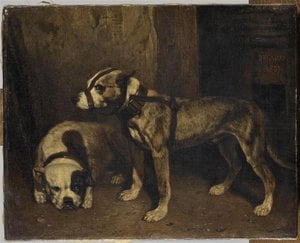
- CHIENS BRIFAUTS: Egy bájos orientalisztikus jelenet, amely kutyákat ábrázol vibráló környezetben.
- LA COUR DE FERME: Egy lenyűgöző 19. századi festmény, amely ötvözi a francia romantikát történelmi részletekkel.
- L’ÉCOLE TURQUE: Egy élénk ábrázolása egy török iskolának, megörökítve a mindennapi élet energiáját és hangulatát.
- PAYSAGÉ TURC: A realizmust és a romantikát kutató derült tájkép francia környezetben.



 Előnézet
 Váltás nyomtatványra
 Megosztás
 Megosztás
 Részletek
 Útmutató

 Letöltés
 Hasonló darabok
 X-ray felvétel
 Diavetítés
 Statisztika


 Tovább olvasom