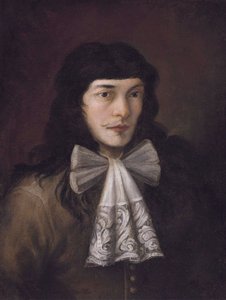
Művész életrajza
A sötétbe burkolózott élet: Alessandro Magnasco rejtélyes világa
Alessandro Magnasco neve talán kevésbé ismert, mint barokk kortársaié, azonban mégis egyedülálló és lenyűgöző helyet foglal el az olasz művészet történetében. 1667-ben született Genovában, de pályamunkájának jelentős részét Milánóban töltötte, csak karrierje végén, 1735 körül tért vissza születési helyére. Ez a földrajzi elmozdulás művészeti látásmódjának finom, mégis jelentős fejlődését tükrözi: egy utazást, amely a közös alkotásokból és az établi hagyományokból indult, és egy rendkívül személyes, gyakran megrendülést okozó stílus felé vezetett. Magnasco nem csupán azt festette, amit látott; egy különleges hangulatot, a melankólia és a romlás érzését fordította vászonra olyan merészséggel, amely megkülönböztette őt másoktól. 1703 és 1709 között Florenciában élt, ahol III. Cosimo nagyherceget szolgálta – egy olyan tapasztalat, amely kétségtelenül szélesítette művészeti horizontját, bár ennek közvetlen hatása érett stílusára továbbra is értelmezés tárgya marad. Karrierje korai szakaszában gyakran alkotott más művészekkel együtt, ügyesen építve be alakokat Giovanni Battista Tavella tájképeibe, vagy Clemente Spera építészeti romjait használva – ezek az együttműködések csiszolták technikai tudását, miközben egy egyre inkább kibontakozó függetlenség jeleit is sugározták.
Egy szokatlan látásmód: Stílus és tematikák
Magnasco művészeti jegye a méretre és a színpalettára vonatkozó egyedi megközelítésében rejlik. A kisebb méretű vásznakat részesítte előnyben, gyakran használva a kevés színből álló, visszafogott tónusokat – szürkét, barna és oker árnyalatokat –, amelyek hozzájárulnak műveiből áradó sötét hangulathoz. Ezek nem azok a festmények, amelyek kiáltanak a figyelemért; inkább titkokat suttognak a félhomályos sarkokból. Kompozícióiban gyakran megjelennek széttöredező romok, ködbe burkolózó rideg tájak vagy zsúfolt terek, amelyeket izgatott, vibráló ecsettartásokkal megmintált, megnyúlt alakok tesznek élettelivé. Pont ezek a figurák – gyakran szegény, szakadt ruhás ké просьek, magányos szerzetesek vagy titokzatos tevékenységet folytató árnyékos csoportok – határozzák meg valóban művészete lényegét. Magnasco témaválasztása rendkívül szokatlan volt korához képest. Nem félett olyan jelenetek ábrázolásától, amelyeket marginaisnak vagy akár tabunak tekintettek: zsinagoga-szolgálatok, quaker gyűlések, rablók összecsapásai, az inkvizíció vallatásokja és katasztrófák ábrázolása. A művész szándékon kívül maradhat; ezek a festmények társadalmi kritikát fejeztek ki, vallási tolerancia (vagy intolerancia) vizsgálata voltak, vagy egyszerűen csak gyakorlatok egy adott hangulat megörökítésére? Ez az egyenlét éppen az, ami oly lenyűgözővé teszi munkásságát. Karrierje későbbi szakaszában, 1710 után már gótikus templomokról, magányos eremitékekről és szerzetesekről, városi terek zsúfolt bűnözőiről és katonákról írt, amelyek tovább megszilárdították hírnevét, mint a társadomány peremén élőket kereső művész.
Hatások és művészi fejlődés
Magnasco művészi fejlődésének pontos hatásainak meghatározása összetett feladat. Világosan látszik, hogy különböző forrásokból magába szívta az elemeket, ám ezeket valami teljesen eredetivé formált. Venetian kortársának, Sebastiano Riccine lajos festészeti stílusa kétségtelenül szerepet járt ebben, bár Ricci munkái inkább a monumentálisabb méreteket és nyílt mitológiai témákat kedvelték. H closer a háttérben a genovai Domenico Piola és Gregorio de Ferrari kínált stilisztikai előképeket, de Magnasco látásmódja sokkal sötétebb és belső felé fordulóbb volt. A milánói Il Morazzone érzelmi intenzitása is rezonált vele, különösen az expresszív ecsettartások révén közvetített pszichológiai mélység tekintetében. Tájképei felfedezhetők benne a Salvatore Rosa kedvelte romantikus, viharos tengeri és rabló ábrázolásai, míĝis alakjainak apró mérete a hatalmas tájakhoz képest a Claude Lorrain légies kompozícióiának visszhangját idézi. Összehasonlításokat vonnak Giuseppe Maria Crespi típusú, ké просьeket ábrázoló műveivel is, bár Crespi alakjai általában teltebbek és egyediébben meghatározottak. Egyes kutatók azt is sugallják, hogy Magnasco maga is befolyásolhatta Crespit. Emellett a művészre valószínűleg hatással voltak a késő barokk olasz zsánerfestők, a római Bamboccianti csoport és Jacques Callot részletgazdag metszetei is.
Örökség és történelmi jelentőség
Alessandro Magnasco stílusa élesen ellentétben állt Genova uralkodó művészeti normáival, amelyek a polírozott felületeket és a harmonikus színösszülésre törekedtek. Merész megközelítése és egyedülálló látásmódja hazájanak nem öréménye volt, de más helyeken, különösen Milánó arisztokratikus köreiben nagy kedvnek örvendhetett. Rudolf Wittkower híresen nevezte őt egy „magányos, feszült, különös” művészi, aki elszakadt a domináns velencias iskolától. Annak ellenére, hogy kezdetben nem ismertek fel, Magnasco munkássága jelentős hatást gyakorolt a későbbi művészgenerációkra, beleértve Marco Riccit, Giuseppe Bazzanit, Francesco Maffeit, valamint a híres velencias festők, Gianantonio és Francesco Guardi munkáját is. Bár ezek a későbbi rokokó festők a dekoratív célokat szolgáló lajos ecsettartást vették át tőle, Magnasco maga a sötétség, a valóság és a pszichológiai nyugtalanság érzésének megörökítésére alkalmazta azt. A kínzások és az emberiség egyéb sötét aspektusainak ábrázolását olykor Francisco Goya 19. századi etszeteinek társadalmi kritikájához hasonlítják – ami tanúskodás njegove megrendülést okozó látásmódjának tartós erejéről és relevanciájáról. Magnasco rejtélyes alak marad, a hangulat és az atmoszféra mestere, akinek festményei évszázadokkal alkotásuk után is képesek lenyűgözni és gondolkodtatni. Művészete emlékeztet minket arra, hogy a szépség még az árnyékokban is megtalálható, és hogy az igazi művészi kifejezés gyakran a konvenciók határain túl rejlik.



 Előnézet
 Váltás nyomtatványra
 Megosztás
 Megosztás
 Részletek
 Útmutató

 Letöltés
 Hasonló darabok
 X-ray felvétel
 Diavetítés
 Statisztika


 Tovább olvasom