
Gothic umjetnici, ranked

The 34 Most Famous Gothic Umjetnici

The most famous Gothic umjetnik is Duccio (1255–1319), known for Rucellai Madonna i Maestà (Madonna s Anđelima i Svetcima). Next come Simone Martini, Gentile Da Fabriano, Antonio Pisanello i Stephan Lochner. This ranking of the 34 most famous Gothic umjetnici runs from Master Mateo (born 1161) to Jan Baegert (born 1465), across 8 countries.

How this list is ranked. Artists whose works our catalogue files under Gothic, in the order of our fame ranking of artists. Artists without a Wikidata identifier born after 1955 are left out until verified. The Wikipedia figure next to each name is the number of our 32 languages in which Wikipedia has an article on the artist.

  1. Rucellai Madonna od Duccio1Duccio
  2. Maestà (Madonna with Angels and Saints) od Simone Martini2Simone Martini
  3. A Seated Scribe od Gentile Da Fabriano3Gentile Da Fabriano

The essentials

Gothic at a glance

  • 34Umjetnici
  • 1161–1465Godine izdanja
  • 8Zemlje rođenja
  • 0Žene
  • 1.535Djela u našem katalogu
Gradovi s najviše rođenih
Firenca (5), Siena (3), Fabriano (1), Pisa (1)

Ranked, with their masterpieces

The ranking: 34 Gothic Umjetnici and their key works

1of 34

Duccio

Talijac Born in Siena Sienska škola, Trecento gotika Wikipedia in 31/32 languages
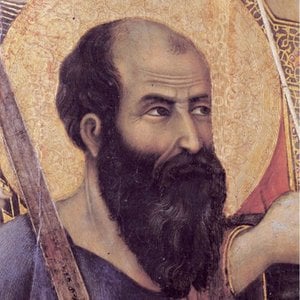
Duccio

Rođen u Sieni, u Italiji, oko 1255. godine, Duccio Di Buoninsegna živio je život duboko isprepleten s religijskim i građanskim pulsom Toskanije. The Virgin and Child with Saints Dominic and Aurea (1312). Rođen u Sieni, u Italiji, oko 1255. ili 1256. godine, Duccio Di Buoninsegna izronio je iz loze koja je oblikovala samu njegovu identitet.

Key works · The 100 most famous works · Duccio reproductions

2of 34

Simone Martini

Talijac Born in Siena Internacionalni gotički stil Wikipedia in 28/32 languages

Simone Martini

Godine 1319. u Pizi je dovršio Poliptih svete Katarine Alexandrijske Polyptych. Saint Louis of Toulouse Crowning His Brother Robert of Anjou, 1317. Godine 1342. dovršio je Krista pronađenog u hramu, sliku koju danas možemo pronaći u Walker Art Gallery u Liverpoolu.

Teacher of Lippo Memmi #9

Key works · The 100 most famous works · Simone Martini reproductions

3of 34

Gentile Da Fabriano

Talijana Born in Fabriano Internacionalna gotika Wikipedia in 23/32 languages

Gentile Da Fabriano

Rođen oko 1370. godine u slikovitom gradu Fabrianu, smještenom u regiji Marche, njegov rani život ostaje obavijen velom misterije. Znamo da je njegova majka preminula prije 1380. godine i da je njegov otac, Niccolom di Giovanni Massi, do 1385. tražio utjehu u samostanu – događaji koji su vjerojatno oblikovali formativne godine mladog Gentilea.

Key works · The 100 most famous works · Gentile Da Fabriano reproductions

4of 34

Antonio Pisanello

Talijac Born in Pisa Rana renesancija, međunarodna gotika Wikipedia in 28/32 languages

Antonio Pisanello

Rođen kao Antonio di Puccio Pisano u Pisi oko 1395. godine, Pisanello se pojavio kao ključna figura u prijelazu s međunarodnog gotičkog stila na usrednju renesansu. Samo njegovo ime—ponekad navedeno kao Vittore Pisano, što je pogrešna pripisivanje od strane Giorgia Vasarija—ukazuje na neizbježnu mistiku koja okružuje njegov život i rad. Oko 1415. do 1420. godine započelo je njegovo ključno učenje kod Gentilea da Fabriana, čime je utvrđen Pisanellov umjetnički put.

Key works · The 100 most famous works · Antonio Pisanello reproductions

5of 34

Stephan Lochner

Njemačka Born in Meersburg Kasnogotički stil, međunarodna gotika Wikipedia in 19/32 languages

Stephan Lochner

Rođen oko 1410. godine u slikovitom njemačkom gradu Meersburgu – mjestu prožetom legendama, smještenom uz veličanstveno Bodensko jezero – život Stephana Lochnera tragično je prekinut u Kölnu oko 1451. godine.

Key works · The 100 most famous works · Stephan Lochner reproductions

6of 34

Agnolo Gaddi

Talijanski Born in Firenca Gotika, Rani renesans Wikipedia in 20/32 languages

Agnolo Gaddi

Agnolo Gaddi, rođen u Firenci oko 1350. godine, zauzima fascinantnu, ključnu poziciju u povijesti talijanske slikarstva. Nije bio samo umjetnik; bio je nasljednik moćne linije, sin Taddea Gaddija, koji je sam bio posvećen i daroviti učenik revolucionarnog Giotta di Bondonea. Umjetna reputacija Agnola Gaddija uglavnom potječe iz njegovih opsežnih freski u Bazilici Santa Croce u Firenci.

Key works · The 100 most famous works · Agnolo Gaddi reproductions

7of 34

Braća Limbourg

Nizozemski Born in Nimega Internacionalna gotika Wikipedia in 21/32 languages

Braća Limbourg

Herman, Paul i Jean de Limbourg, poznati zajedničkim imenom Limbourg braća, nisu bili samo slikari, već arhitekti minijaturnih svjetova. Rođeni u lozi vještih zanatlija, njihovi su rani životni putevi oblikovani živopisnim umjetničkim strujama koje su protjecale između Nizozemske, Francusacije i Burgundije. Iako su njihovi životi bili tragično kratki — sva trojica preminula su oko 1416. godine — utjecaj njihovog djela ostaje vječni temelj međunarodnog gotičkog stila.

Key works · The 100 most famous works · Braća Limbourg reproductions

8of 34

Paolo Veneziano

Talijac Born in Venecija Bizantinski utjecaj i gotička umjetnost Wikipedia in 15/32 languages

Paolo Veneziano

Paolo Veneziano (oko 1333. – 1358.) stoji kao monumentalna figura u povijesti venecijanske umjetnosti, univerzalno priznat kao najvažniji venecijanski slikar četrnaestog stoljeća. Rođen u umjetničkom lineageu unutar samog srca Venecije — njegov je otac bio renomirani umjetnik — Venezianova kratka, ali briljantna karijera poklopila se s transformativnim razdobljem u europskom slikarstvu.

Key works · The 100 most famous works · Paolo Veneziano reproductions

9of 34

Lippo Memmi

Talijan Born in Siena Međunarodni gotički stil Wikipedia in 17/32 languages

Lippo Memmi

Lippo Memmi, rođen oko 1291. godine u srcu Sijene, Italija, ističe se kao ključna figura u prijelazu s bizantski ukorijenjenih tradicija srednjovjekovne umjetnosti prema procvatu elegancije internacionalnog gotičkog stila. Iako se često raspravlja u vezi njegovog proslavljenog šurjaka i mentora, Simone Martinija, suvremena znanstvena istraživanja sve više prepoznaju Memmijev jedinstveni umjetnički glas i značajan doprinos umjetnosti Sijene u 14. stoljeću.

Pupil of Simone Martini #2

Key works · The 100 most famous works · Lippo Memmi reproductions

10of 34

Spinello Aretino

Talijac Born in Arezzo Poveznica između Giottove škole i Sijenske škole Wikipedia in 16/32 languages

Spinello Aretino

Rođen u obitelji florentinskih zlatara, njegovo pravo ime bilo je Spinello Di Luca Spinelli, ali se povijesti poznao pod nadimkom "Aretino", što označava njegovu povezanost s Arezzom. U svojim ranim godinama radio je u užurbanim radionicama Firence, pridonoseći monumentalnim djelima kao što su freske u crkvi Carmine i Santa Maria Novella.

Key works · The 100 most famous works · Spinello Aretino reproductions

11of 34

Bernardo Daddi

Talijac Born in Firenca Rana renesancija Wikipedia in 17/32 languages

Bernardo Daddi

Bernardo Daddi, rođen u Firenci oko 1290. godine i preminut 1348., predstavlja ključnu figuru u prijelazu s kasne gotike na bujanje talijanske renesanse. Točan datum Daddijevog rođenja ostaje obavijen misterijom, iako zapisi ukazuju na to da se prvi put spominje 1312. godine. Široko je vjerovanje da je njegovo umjetničko putovanje počelo pod mentorstvom Giotta di Bondone, jednog od najutjecajnijih umjetnika tog doba.

Key works · The 100 most famous works · Bernardo Daddi reproductions

12of 34

Andrea Pisano

Talijana Born in Pontecorvo Gotika

Andrea Pisano

Rođen u Pontecorvu, u regiji Lazio, Pisanoov rani život ostaje obavijen djelom misterije, iako je svoje vještine prvobitan usavršavao kao zlatar prije nego što se oko 1300. godine u cijelosti posvetio kiparstvu pod pokroviteljstvom Minoa di Giovannija. Rana karijera i vrata krstionice u Pisi: Pisanova prvobitna slava proizašla je iz njegovog suradničkog rada na ambicioznoj fasadi krstionice katedrale u Pisi, alongside Giovannija di Balduccia.

Key works · The 100 most famous works · Andrea Pisano reproductions

13of 34

Master Mateo

Spanish Romanesque Sculpture

Master Mateo

His mastery of limestone carving was unparalleled, particularly through his use of a technique known as trabajo vivo. This method involved layering stone slabs to create textured surfaces that mimicked the appearance of flesh and fabric, lending a sense of movement and vitality to the static medium.

Key works · The 100 most famous works · Master Mateo reproductions

14of 34

Jean Malouel

Nizozemski (Dutch) Born in Nijmegen Internacionalna gotika Wikipedia in 16/32 languages

Jean Malouel

Jean Malouel, ili Jan Maelwael kako je bio poznat u rodnim Nizozemskim zemljama, zauzima fascinantnu, ključnu poziciju u prijelazu iz gotike u renesansu. Rođen oko 1375. godine u Nijmegenu, gradu koji je tada bio dio grofovstva Guelders, njegov život se odvijao u sjeni uspona umjetničkog pokroviteljstva i promjenjivih kulturnih struja.

Key works · The 100 most famous works · Jean Malouel reproductions

15of 34

Tilman Riemenschneider

Njemački Born in Heiligenstadt Kasnogotički i renesansni stil

Tilman Riemenschneider

Rođen oko 1460. godine u Heiligenstadtu im Eichsfeldu, njegov je život tekao u pozadini političkih previranja i umjetničkih transformacija. Rani su mu årili bili obilježeni preseljenjem; očeva uključenost u sukob Mainzer Stiftsfehde prisilila je obitelj na selidbu u Osterode, što je vjerojatno mladom Tilmanu ugradilo osjećaj otpornosti i prilagodljivosti – kvaliteta koje će definirati i njegov život i njegovu umjetnost.

Key works · The 100 most famous works · Tilman Riemenschneider reproductions

16of 34

Majstor Francke (Frater Francke)

Nizozemski Born in Donja Rajna Gotički renesans Wikipedia in 14/32 languages

Majstor Francke (Frater Francke)

Hamburg and The Birth of Jesus (1424): Francke’s career truly blossomed in Hamburg, where he secured a contract to create an altarpiece for St.

Key works · The 100 most famous works · Majstor Francke (Frater Francke) reproductions

17of 34

Klaus Sluter

Nizozemski Born in Haarlem Sjeverni realizam

Klaus Sluter

Claus Sluter (oko 1350. – 1406.) stoji kao jedan od najutjecnijih kiparskih maestara svoje ere, označavajući ključnu prekretnicu između gotičke i renesansne umjetničke tradicije u Sjevernoj Europi. Upis njegovog imena u registar briselskih klesara oko 1379./1380. godine potvrđuje njegov profesionalni angažman i naglašava važnost vrhunskog zanatstva unutar srednjovjekovnog umjetničkog svijeta.

Key works · The 100 most famous works · Klaus Sluter reproductions

18of 34

Jacopo di Cione

Italian Born in Florence Gothic Wikipedia in 7/32 languages

Jacopo di Cione

His commitment to procuring marble for the cathedral underscored his understanding of artistic grandeur and civic responsibility. Furthermore, he continued to secure patronage from influential families like the Albizzi, ensuring that Florentine art would endure as a symbol of prestige and cultural achievement. The dispersed predella depicting scenes from Saint Peter’s life – a collaborative effort with Niccolò di Pietro Gerini – remains a poignant reminder of Jacopo's artistic legacy and the enduring power of Florentine Gothic art.

Key works · The 100 most famous works · Jacopo di Cione reproductions

19of 34

Jaume Huguet

Catalan Born in Valls Late Gothic, Flemish influence Wikipedia in 10/32 languages

Jaume Huguet

His workshop became a cornerstone of Catalan production, with works like the Saint Augustine Altarpiece involving collaborations with skilled artists such as Pau Vergós to meet the immense demands of religious guilds and monasteries.

Key works · The 100 most famous works · Jaume Huguet reproductions

20of 34

Lucas Moser

German Born in Weil der Stadt Late Gothic Art Wikipedia in 10/32 languages

Lucas Moser

Commissioned for the parish church in Tiefenbronn, the altarpiece depicts scenes from the life of Mary Magdalene with a striking departure from the prevailing aesthetic norms. The altarpiece isn't just a religious narrative; it is a testament to Moser’s keen observation of human anatomy, light, and shadow. However, scholars generally agree that he was exposed to both the late Gothic traditions prevalent in Southern Germany and the emerging artistic trends emanating from Flanders.

Key works · The 100 most famous works · Lucas Moser reproductions

21of 34

Master Bertram

German Born in Minden International Gothic Wikipedia in 13/32 languages

Master Bertram

It is believed that Bertram was influenced by both French and Netherlandish artistic trends prevalent during his time. Despite these influences, Bertram maintained a uniquely Northern German sensibility, imbuing his work with a sense of regional identity. While sharing similarities with other artists of the period, such as Master Francke (another prominent Hamburg painter), Bertram's work possesses a distinct character—a subtle restraint in emotional expression compared to Francke’s more overtly dramatic approach.

Key works · The 100 most famous works · Master Bertram reproductions

22of 34

Pere Serra

Spanish Gothic-Italian

Pere Serra

Born around 1357 and passing away in 1406, his life coincided with a period of significant artistic and cultural change across Europe, yet he maintained a distinctly Catalan sensibility throughout his career. The city was a vibrant hub for trade and artistic exchange, exposed to influences from Italy, France, and Flanders.

Key works · The 100 most famous works · Pere Serra reproductions

23of 34

Paolo Di Giovanni Fei

Talijana Born in San Quirico d'Orcia Naturalizam, Proto-renesansa Wikipedia in 10/32 languages

Paolo Di Giovanni Fei

Njegov život, iako tragično kratak, svjedočio je dramatičnoj promjeni umjetničkih osjećaja u Sijeni, vođen prvenstveno njegovom suradnjom s mlađim bratom, Ambrogiom Lorenzettijem, te njihovim susretom s inovativnim tehnikama Giotta i Giovannija Pisana. Lorenzettijev rani rad donekle je obavijen misterijom, no dokazi sugeriraju da je svoje formativne godine proveo radeći uz Simone Martini u Assisiju. Presudno je bilo njegovo vrijeme u Firenci tijekom 1ms20-ih i 1330-ih godina koje se pokazalo transformativnim.

Key works · The 100 most famous works · Paolo Di Giovanni Fei reproductions

25of 34

Lluís Borrassà

Catalan Born in Girona International Gothic Wikipedia in 8/32 languages

Lluís Borrassà

By successfully introducing and refining the International Gothic style in the Principality, he provided a bridge between the medieval past and the approaching Renaissance.

Key works · The 100 most famous works · Lluís Borrassà reproductions

26of 34

Michele Giambono

Italian Born in Venice International Gothic Wikipedia in 10/32 languages

Michele Giambono

While the broader Renaissance would eventually move toward the anatomical realism and linear perspective of masters like Bellini, Giambono’s dedication to the International Gothic aesthetic provided the essential foundation of splendor upon which later Venetian art was built.

Key works · The 100 most famous works · Michele Giambono reproductions

27of 34

Giovanni dal Ponte

Italian Born in Firenca Late Gothic/Renaissance Wikipedia in 7/32 languages

Giovanni dal Ponte

Dal Ponte’s artistic reputation was initially forged through the creation of exquisitely decorated marriage chests – cassoni or forzieri – objects central to Florentine wedding rituals and indicative of a family's wealth and status. His foundations lay firmly within the decorative traditions of the International Gothic style, evident in his use of rich colors, elaborate ornamentation, and elongated figures.

Key works · The 100 most famous works · Giovanni dal Ponte reproductions

28of 34

Teodorik Iz Prage

Czech Born in Italija Gothic Wikipedia in 16/32 languages

Teodorik Iz Prage

Majstor Teodorik, u latinskom prijevodu poznat kao Magister Theodoricus, bio je češki slikar koji je ostavio neizbrisiv trag u gotičkoj eri. Njegov je rad bio najintenzivniji između otprilike 1360. i 1380. godine, u razdoblju kada je njegova prisutnost na bohemijskom dvoru bila detaljno dokumentirana. Između 1359. i 1367. godine, Teodorik Iz Prage djelovao je kao vodeći dvorski slikar u Pragu i u dvorcu Karlštejn.

Key works · The 100 most famous works

29of 34

Niccolò Di Pietro Gerini

Talijana Born in Firenca Kasnogotički stil Wikipedia in 6/32 languages

Niccolò Di Pietro Gerini

Rođen oko 1368. u Firenci i preminuvši oko 1415. godine, Gerinijeva je karijera odvijala se u pozadini umjetničkog fervora, gdje su tradicija i eksperiment plesali u delikatnoj ravnoteži. Njegov otac, Pietro Geri, bio je član esudencije Svetog Luke, što sugerira odgoj duboko prožet umjetničkom praksom—obiteljsko naslijeđe koje će nastaviti Niccolòov sin, Bindo, koji je također postao slikar.

Key works · The 100 most famous works · Niccolò Di Pietro Gerini reproductions

30of 34

Pacino Di Bonaguida

Talijac Born in Firenca Gotički stil Wikipedia in 4/32 languages

Pacino Di Bonaguida

Aktivno djelujući prvenstveno u Firenci između otprilike 1303. i 1347. godine, Pacinov život ostaje obavijen misterijom—što je bila uobičajena sudbina mnogim umjetnicima tog doba. Prvi put se pojavljuje u zapisima 1303. godine prilikom raskida partnerstva s Tambom di Serragliom, opisan tada kao ‘publicus artifex in arte pictorum’ – javni umjetnik u umjetnosti slikarstva.

Key works · The 100 most famous works · Pacino Di Bonaguida reproductions

31of 34

Master Of The Life Of The Virgin

German Late Gothic Wikipedia in 11/32 languages

Master Of The Life Of The Virgin

The Master’s style is a compelling synthesis of Northern European Gothic and Early Renaissance influences. However, the Master’s work transcends mere imitation; he infused these borrowed elements with his own unique sensibility, creating paintings that are both technically proficient and emotionally resonant. The influence of Netherlandish masters is readily apparent in his draftsmanship and compositional structure.

Key works · The 100 most famous works

32of 34

Jan Baegert

Born in Wesel Late Gothic Wikipedia in 3/32 languages

Jan Baegert

Jan Baegert emerged from the established artistic traditions of Wesel, Germany, where he was born in 1465. He received his formal training under his father, Derick Baegert, a painter who provided the essential technical groundwork for Jan's later career.

Where to see Tracing the physical remains of Jan Baegert’s output requires looking toward the Westphalian and Lower Rhine regions.

Key works · The 100 most famous works · Jan Baegert reproductions

33of 34

Master Of The Osservanza

Italian Late Gothic Wikipedia in 8/32 languages

Master Of The Osservanza

The Osservanza cycle emerged around 1430-1450, a period marked by significant stylistic shifts in Siena. Influenced by the vibrant Sienese school —particularly the work of Duccio di Buoninsegna and Simone Martini —the Master nevertheless developed a distinct visual language characterized by a heightened sense of drama, emotional intensity, and an innovative use of color. His innovative use of color, dramatic composition, and psychological realism paved the way for the development of Renaissance art in Siena.

Key works · The 100 most famous works

34of 34

Master of Heiligenkreuz Abbey

Austrian International Gothic Wikipedia in 5/32 languages

Master of Heiligenkreuz Abbey

The Master’s style is a complex synthesis of influences. He drew heavily from the Gothic tradition, evident in his meticulous attention to detail, particularly in the rendering of drapery and architectural elements.

Key works · The 100 most famous works

The paintings behind the names

Famous Gothic works and the artists who made them

  1. Rucellai Madonna od Duccio

    Rucellai Madonna

    Duccio

    1285 · Galleria degli Uffizi, Firenca

  2. Maestà (Madonna with Angels and Saints) od Simone Martini

    Maestà (Madonna with Angels and Saints)

    Simone Martini

    1315 · Palazzo Pubblico, Siena

  3. A Seated Scribe od Gentile Da Fabriano

    A Seated Scribe

    Gentile Da Fabriano

    1480 · Isabella Stewart Gardner Museum, Boston

  4. Sigismondo Pandolfo Malatesta, Lord of Rimini od Antonio Pisanello

    Sigismondo Pandolfo Malatesta, Lord of Rimini

    Antonio Pisanello

    1445 · Calouste Gulbenkian Foundation, Lisabon

  5. Madonna of the Rose Bush od Stephan Lochner

    Madonna of the Rose Bush

    Stephan Lochner

    1440 · Wallraf-Richartz-Museum, Köln

  6. The Last Supper od Agnolo Gaddi

    The Last Supper

    Agnolo Gaddi

    1395 · Lindenau-Museum, Altengau

  7. Les très riches heures du Duc de Berry: Avril (April) od Braća Limbourg

    Les très riches heures du Duc de Berry: Avril (April)

    Braća Limbourg

    1412 · Musée Condé, Chantilly

  8. Rediscovery of the Relics of St Mark od Paolo Veneziano

    Rediscovery of the Relics of St Mark

    Paolo Veneziano

    1345 · Basilica di San Marco, Venecija

Through time

A Gothic timeline in masterpieces

  1. 1285
  2. 1315
  3. 1320
  4. 1333
  5. 1334
  6. 1334
  7. 1383
  8. 1384
  9. 1394
  10. 1395
  11. 1395
  12. 1395
  13. 1410
  14. 1412

In figures

By the numbers

All of them, in order

List of the 34 famous Gothic umjetnici

  1. 1DuccioDuccioTalijac · 1255–1319
  2. 2Simone MartiniSimone MartiniTalijac · 1284–1344
  3. 3Gentile Da FabrianoGentile Da FabrianoTalijana · 1370–1427
  4. 4Antonio PisanelloAntonio PisanelloTalijac · 1395–1455
  5. 5Stephan LochnerStephan LochnerNjemačka · 1410–1451
  6. 6Agnolo GaddiAgnolo GaddiTalijanski · 1350–1396
  7. 7Braća LimbourgBraća LimbourgNizozemski · 1385–1416
  8. 8Paolo VenezianoPaolo VenezianoTalijac · 1333–1358
  9. 9Lippo MemmiLippo MemmiTalijan · 1291–1356
  10. 10Spinello AretinoSpinello AretinoTalijac · 1350–1410
  11. 11Bernardo DaddiBernardo DaddiTalijac · 1290–1348
  12. 12Andrea PisanoAndrea PisanoTalijana · 1290–1348
  13. 13Master MateoMaster MateoSpanish · 1161–1217
  14. 14Jean MalouelJean MalouelNizozemski (Dutch) · 1370–1415
  15. 15Tilman RiemenschneiderTilman RiemenschneiderNjemački · 1460–1531
  16. 16Majstor Francke (Frater Francke)Majstor Francke (Frater Francke)Nizozemski · 1380–1435
  17. 17Klaus SluterKlaus SluterNizozemski · 1355–1406
  18. 18Jacopo di CioneJacopo di CioneItalian · 1325–1399
  19. 19Jaume HuguetJaume HuguetCatalan · 1445–1492
  20. 20Lucas MoserLucas MoserGerman · 1390–1443
  21. 21Master BertramMaster BertramGerman · 1345–1415
  22. 22Pere SerraPere SerraSpanish · 1357–1406
  23. 23Paolo Di Giovanni FeiPaolo Di Giovanni FeiTalijana · 1345–1411
  24. 24Giovannino De' GrassiGiovannino De' GrassiItalian · 1350–1398
  25. 25Lluís BorrassàLluís BorrassàCatalan · 1360–1425
  26. 26Michele GiambonoMichele GiambonoItalian · 1400–1462
  27. 27Giovanni dal PonteGiovanni dal PonteItalian · 1385–1438
  28. 28Teodorik Iz PrageTeodorik Iz PrageCzech ·
  29. 29Niccolò Di Pietro GeriniNiccolò Di Pietro GeriniTalijana · 1368–1415
  30. 30Pacino Di BonaguidaPacino Di BonaguidaTalijac · 1280–1340
  31. 31Master Of The Life Of The VirginMaster Of The Life Of The VirginGerman ·
  32. 32Jan BaegertJan Baegert1465–1535
  33. 33Master Of The OsservanzaMaster Of The OsservanzaItalian ·
  34. 34Master of Heiligenkreuz AbbeyMaster of Heiligenkreuz AbbeyAustrian ·

Your questions, answered

Frequently asked questions

  • Which Gothic umjetnik is the most famous?

    First place goes to Duccio (#1); Simone Martini (#2) and Gentile Da Fabriano (#3) complete the podium.

  • Which five Gothic umjetnici should everyone know?

  • In which city were most Gothic umjetnici born?

    Firenca: 5 of the umjetnici in this list were born there.

  • What techniques did Gothic umjetnici use?

    “He skillfully employed tempera on panel, achieving luminous colors and textural richness.” — from our biography of Majstor Francke (Frater Francke) (#16).

  • Which museums hold the most Gothic art?

    The museums holding the most key works of this list are Metropolitan Museum of Art (7), Galleria degli Uffizi (4) i National Gallery (3).

  • Who was the earliest Gothic umjetnik?

    The earliest-born umjetnik in this list is Master Mateo (#13), born in 1161.

  • Which Gothic umjetnici were masters and pupils?

    Simone Martini (#2) taught Lippo Memmi (#9).

  • Where were most Gothic umjetnici born?

    Italija: 16 of the 34 umjetnici in this list were born there, then Germany (4) i Nizozemska (3).

  • When did the famous Gothic umjetnici live?

    Most umjetnici in this list were born in the 14th. stoljeće (18 of 34), between 1161 and 1465 overall.

  • Who are the most famous Gothic umjetnici from Italija?

    The highest-ranked umjetnici born in Italija are Duccio (#1), Simone Martini (#2), Gentile Da Fabriano (#3), Antonio Pisanello (#4) i Agnolo Gaddi (#6).

  • Where can I buy Gothic art?

    Our catalogue holds 1,535 works by these umjetnici. Each one can be ordered as a hand-painted oil reproduction or a print.

Keep reading

Further reading on WahooArt.com

Other movements

Famous artists of other movements

Other periods

Famous artists of other periods

More rankings

Explore more