BESPLATNE UMJETNIČKE KONSULTACIJE

x

Kratki pregled

  • Nationality: Belgium
  • Lifespan: 75 years
  • Died: 1665
  • Born: 1590, Ypres, Belgium
  • Art period: Early Modern
  • Prikaži više…

Kviz o umjetnosti

Svako pitanje ima samo jedan točan odgovor.

Pitanje 1:
Q1
Pitanje 2:
Q2
Pitanje 3:
Q3

A Visionary of Light and Shadow: Exploring the Landscape Artistry of Mathieu Dubus

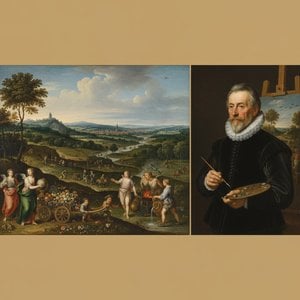
Mathieu Dubus (c. 1590 – 1665) stands as a singular figure in seventeenth-century Flemish art, recognized for his groundbreaking approach to landscape painting that defied convention and captivated audiences with its dramatic intensity. Born in Ypres, Belgium—likely around 1590—Dubus’s artistic journey unfolded primarily within the bustling cultural hub of The Hague during the Dutch Republic, where he cultivated a distinctive style characterized by masterful manipulation of light and dark, earning him a place among the most innovative painters of his era.

Early Life and Artistic Training

Details surrounding Dubus's formative years remain scarce, yet it’s understood that he honed his skills in the Flemish region—a bastion of artistic excellence—receiving training within its established traditions. This grounding in Flemish painting techniques would prove instrumental in shaping his unique aesthetic, one distinguished by a preoccupation with capturing the sublime beauty of nature through powerfully contrasted hues. The influence of Mannerism and Caravaggio’s theatrical use of chiaroscuro – dramatic interplay between light and darkness – are palpable in Dubus's oeuvre.

Dubus's Distinctive Style: Fantastical Landscapes Illuminated

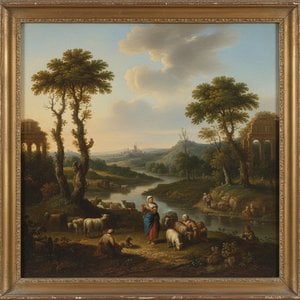
Dubus’s landscapes transcended mere representation; they aimed to evoke emotion and convey a sense of awe. Unlike many of his contemporaries who adhered to more realistic depictions, Dubus embraced fantastical elements—towering rocks and desolate terrains—infused with an ethereal glow. This stylistic choice wasn't merely decorative; it served as a deliberate technique for amplifying the emotional impact of his paintings. His canvases pulsated with dynamism, mirroring the turbulent spirit of the time while simultaneously elevating landscape art to new heights of artistic expression. Critics noted Dubus’s work was “modern” and “distinct,” marking him apart from other artists of his generation.

Notable Works and Artistic Collaborations

Dubus's artistic output encompassed a considerable number of landscapes, notably those featuring dramatic rock formations bathed in intense illumination. These pieces exemplify his unwavering commitment to capturing the grandeur of nature with unparalleled precision and emotional resonance. Furthermore, Dubus collaborated extensively with fellow artists like Pieter Hardimé and Jan van Goyen, contributing to monumental wall and ceiling decorations—a testament to his reputation as a respected craftsman and visionary artist.

Museum Collections and Legacy

Dubus’s paintings reside in prominent museums across Europe, including the Rijksdienst beeldende kunst (The Hague) and the Museum huis ten bosch (The Hague), showcasing over 500 artworks spanning various periods and styles. His influence extended beyond his immediate contemporaries; artists like Pieter Hardimé and Jan van Goyen acknowledged Dubus’s pioneering approach to landscape painting, adopting elements of his distinctive style into their own artistic endeavors. Mathieu Dubus remains a pivotal figure in art history—a testament to the transformative power of imagination and masterful execution within the realm of visual storytelling.