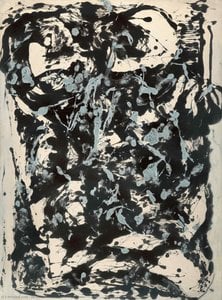
A Chronicle of Memory: The Art of Xiao Bo
Xiao Bo, born in Hangzhou, China in 1977, is a contemporary artist whose work resonates with a poignant exploration of Chinese history and the complexities of collective memory. He doesn’t simply depict the past; he excavates it, layering imagery and texture to create paintings that are simultaneously alluringly beautiful and deeply unsettling. His canvases aren't windows into another time but rather palimpsests—surfaces upon which echoes of propaganda, personal narratives, and the relentless march of modernization collide.
Bo’s artistic journey began with a formal training in traditional Chinese painting techniques, a foundation that instilled within him a profound understanding of brushwork, composition, and color theory. However, he quickly diverged from convention, seeking new modes of expression to grapple with the rapidly changing social and political landscape of China. The Cultural Revolution, though preceding his birth, cast a long shadow over his upbringing, its impact felt in the stories passed down through generations and the pervasive atmosphere of controlled narratives. This sense of inherited history became a central theme in his work.
The Language of Layering: Technique and Symbolism
What immediately distinguishes Xiao Bo’s paintings is their distinctive visual language. He masterfully employs an impasto technique, building up thick layers of oil paint to create richly textured surfaces that invite close inspection. This physicality isn't merely aesthetic; it mirrors the weight of history itself—the accumulation of events, ideologies, and individual experiences. Within these dense layers, fragments of photographic imagery emerge: scenes from propaganda posters, film stills, and personal snapshots. These images are often distorted or obscured, suggesting the fallibility of memory and the selective nature of historical representation.
The artist frequently draws upon iconic imagery associated with Maoist China, but he doesn’t present it as straightforward homage or critique. Instead, he deconstructs these symbols, stripping them of their original context and recontextualizing them within a contemporary framework. This process raises questions about the power of propaganda, the construction of national identity, and the enduring influence of the past on the present. His work often features figures caught in moments of both grandeur and vulnerability, hinting at the human cost of ideological fervor.
Development and Major Themes
Early works by Xiao Bo focused primarily on recreating scenes from propaganda posters with meticulous detail. However, as his artistic vision matured, he began to incorporate more personal elements into his paintings, blending collective history with individual experience. This shift is evident in his series of portraits, which often depict young people seemingly lost in a sea of consumer culture and technological distraction. These works explore the tension between tradition and modernity, questioning whether the lessons of the past are being forgotten or simply repackaged for a new generation.
A recurring theme in Bo’s work is the exploration of space—both physical and psychological. His paintings often feature interiors that feel claustrophobic and disorienting, reflecting the sense of alienation and fragmentation experienced by many in contemporary Chinese society. The use of light and shadow plays a crucial role in creating this atmosphere, casting long, ominous shadows that suggest hidden truths and unspoken anxieties.
Historical Significance and Contemporary Relevance
Xiao Bo’s work occupies a unique position within the landscape of contemporary Chinese art. He is not simply documenting history; he is actively interrogating it, challenging viewers to confront uncomfortable truths about their own past and present. His paintings have been exhibited in galleries and museums around the world, earning him critical acclaim and establishing him as a leading voice in his generation.
In an era of increasing globalization and political polarization, Xiao Bo’s art feels particularly relevant. He reminds us that history is not a fixed narrative but rather a complex and contested terrain—one that must be constantly re-examined and reinterpreted. His work serves as a powerful testament to the enduring power of memory and the importance of confronting the past in order to build a more just and equitable future.
- Influences: Traditional Chinese painting, Socialist Realism, Film Noir, Contemporary Photography
- Key Themes: Collective Memory, Propaganda, History, Identity, Modernization, Space, Alienation
- Notable Achievements: International exhibitions, critical acclaim, recognition as a leading contemporary Chinese artist.



 Pregledaj u stvarnoj veličini
 Prebacite na prodaju printova
 Podijeli
 Podijeli
 Detalji
 Vodič
Vodič

 Preuzmi datoteku
 Slični predmeti
 Rentgenska snimka
 Slide show
 Statistika
 Pročitajte više