Winslow Homer: Američki kronist mora i ljudske duše
Winslow Homer, rođen 1836. godine u Bostonu, nije bio oblikovan tradicionalnim europskim umjetničkim akademijama koje su obličile mnoge njegove suvremenike. Naprotiv, izrastao je iz specifičnog američkog iskustva, ukorijenjenog u praktičnosti i promatranju. Njegovo putovanje nije započelo grandioznim povijesnim platnima, već kao komercijalni ilustrator sa svega dvanaest godina za Harper's Weekly. Ta rana praksa bila je ključna, brusila njegov izuzetan dar da zabilježi scene s jasnoćom i detaljima – vještine koje će postati prepoznatljive karakteristike njegove zrele umjetnosti. Nije učio perspektivu u Parizu; učio je *vidjeti* Ameriku, njezin narod i njezinu rastuću priču. Brizni ulice Bostona, tiha dostojanstvenost ruralnog New England života – to su bili njegovi prvi subjekti, prikazani s preciznošću rođenom iz potrebe za zahtjevima štampanih medija. Ta osnova omogućila mu je tranziciju u slikarstvo, prvo u akvarelu, prije nego što je u potpunosti prihvatio ekspresivni potencijal uljenih boja.
Od pastoralnih scena do sirove moći природе
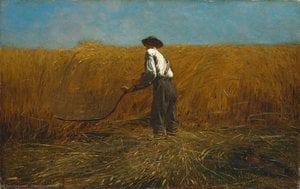
Homerove rane slike često su prikazivale idilične scene – djeca koja se igraju, farmeri koji obrađuju polja, tihi trenuci obiteljskog života. Te radove, iako šarmantne, naznačivala je dublja umjetnička osjetljivost koja je čekala da bude otkrivena. Katalizator te transformacije bio je nedvojbeno američki građanski rat. Kao dopisnik za Harper's Weekly, Homer je iz prve ruke svjedočio brutalnim realitetima sukoba. Nije se fokusirao na herojske bitke ili grandiozne strategije; umjesto toga, dokumentirao je svakodnevni život vojnika i civila, tihe trenutke tuge i otpornosti usred haosa. To iskustvo duboko je promijenilo njegov umjetnički pogled. Pastoralne scene ustupile su mjesto zahtjevnijim temama: veterani koji se bore s traumom, oslobođeni robovi koji navigiraju novim svijetom i oštra ljepota krajolika prožetog nedaćama. Počeo je istraživati teme borbe, izolacije i krhkosti čovjekove veze s prirodom – teme koje će dominirati njegovim najsnažnijim djelima. Njegov stil se također razvio, postajući hrabriji i izravniji, odražavajući sirov emocionalni utjecaj onoga što je svjedočio.
Ovladavanje svjetlom, teksturom i američkim krajolikom
Winslow Homerova umjetnička tehnika odmah se prepoznaje po svojoj čvrstini i teksturi. Nije bio zainteresiran za prolazne dojmove; želio je izgraditi osjećaj opipljive stvarnosti na platnu. Njegove uljne slike karakterizira izravni pristup slikanju – slojevi boje naneseni s pouzdanjem, stvarajući dubinu i luminozitet. Posjedovao je izvanrednu sposobnost hvatanja svjetla, bilo da se radi o blještavilu sunca na oceanu ili nježnom sjaju zalaska sunca nad ruralnim krajolikom. Ta vještina protegnula se i na njegove akvarele, gdje je postigao zapanjujuće atmosferske učinke živim bojama i delikatnim prozirnostima.
Breezing Up (A Fair Wind), naslikan 1876., oličuje tu vještinu – tipičan prikaz američkog pomorskog života, prepun energije i pokreta.
The Gulf Stream, stvoren desetljećima kasnije, možda je njegovo najpoznatije djelo, snažna i simbolična prikaza samog čovjeka koji se bori protiv sila природе, metafora ljudske borbe protiv neprekidnih poteškoća. Nije samo slikao ono što je vidio; prenosio je osjećaj, emocionalnu istinu o ljudskom stanju.
Ostavština kovanja u američkom realizmu
Iako je Homer cijenio europske umjetnike poput onih iz škole Barbizon – poznatih po svojim realističkim prikazima ruralnog života – i priznao utjecaje Courbeta i Milleta, naposljetku je izgradio vlastiti, osebujni američki put. Odustao je od prevladavajućih akademskih konvencija i umjesto toga se fokusirao na hvatanje jedinstvenog duha svoje zemlje. Njegova ostavština leži u njegovoj sposobnosti da portretira Ameriku s poštenjem i autentičnošću, bez romantiziranja ili idealiziranja. Nije bio zainteresiran za oponašanje europskih stilova; želio je stvoriti umjetnost koja je jedinstveno američka, odražavajući njezine krajolike, njezin narod i njezine izazove.
Innocence, poigrana prikaza djetinjstva postavljena na pozadinu природе, i
Man of Science, demonstriraju njegovu vještinu hvatanja ljudske psihologije, svjedoče te posvećenosti. Njegov utjecaj se može vidjeti u djelima kasnijih američkih slikara koji su težili da portretiraju svoju zemlju s sličnom izravnošću i emocionalnom dubinom.
Trajni dojam: Homerova povijesna važnost
Winslow Homerova umjetnost nudi duboki uvid u 19. stoljeće Amerike, pružajući neprocjenjive uvide u socijalni, politički i kulturni krajolik njegovog vremena. Njegove slike nisu samo prekrasne reprezentacije; to su snažne izjave o ljudskoj otpornosti, ljepoti i moći природе te složenosti američkog iskustva. Umro je 1910., ostavivši iza sebe plodno djelo koje i danas rezonira s publikom. Njegova sposobnost da uhvati suštinu nacije koja prolazi brze promjene – od posljedičnica građanskog rata do zore novog stoljeća – osigurava njegovo mjesto kao jednog od najvažnijih i trajnijih američkih umjetnika. On nije samo slikao slike; dokumentirao je trenutak u vremenu, čuvajući ga za generacije koje dolaze.
- Njegovo djelo nastavlja inspirirati suvremene umjetnike.
- Homer ostaje ključna figura u razvoju američkog realizma.



 Pregledaj u stvarnoj veličini
 Naručite ručno oslikano reprodukciju
 Podijeli
 Podijeli
 Detalji
 Vodič
Vodič

 Preuzmi datoteku
 Slični predmeti
 Rentgenska snimka
 Slide show
 Statistika

 Pročitajte više






































 Opcija stakla dostupna je samo za dimenzije manje od 110 cm