BESPLATNE UMJETNIČKE KONSULTACIJE

x
Naručite reprodukciju Naručite reprodukcijuKupi digitalnu sliku Kupi digitalnu sliku PošaljiPošalji
DetaljiDetalji Dodaj u omiljene Dodaj u omiljene PreuzmiPreuzmi Slični predmetiSlični predmeti Rentgenska snimkaRentgenska snimka Automatska prezentacijaAutomatska prezentacija

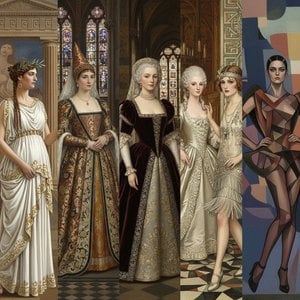
Mini overalls

Dive into Brazilian fashion history with Willlys de Castro’s ‘Mini overalls,’ a Neo-Concrete masterpiece exploring geometric forms and vibrant color palettes from the 1960s.

Explore the innovative art of Willlys de Castro (1926-1988), a Brazilian pioneer of Neo-Concrete art. Discover his 'Active Object' series & unique visual creations.

Giclée / Umjetnički otisak

Giclée tisak muzejske kvalitete ili otisak na platnu uz brzu proizvodnju i fleksibilne opcije završne obrade.

P118B $10
P118H $10
P118W $10
P438Z $10
P508JH $12
P508YH $12
P805H $10
P805Z $10
P919BZ $10
P919G $10
P919XJ $10
P959ZH $10
P968JZ $12
W106C $8
W218G $10
W218JH $8
W218Y $10
W307PJ $10
W316G $10
W316PJ $8
W316Y $10
W398PJ $8
W4111J $10
W500HY $15
W500JH $15
W692G $12
W849H $8
W940BG $15
W953PJ $8

Standard
custom
CM
INCH

Odaberite jednu od naših unaprijed definiranih veličina koje odgovaraju izvornim proporcijama umjetničkog djela.

širina
visina

Možete unijeti vlastite dimenzije kako biste umjetničko djelo prilagodili specifičnom okviru ili prostoru. Ako odabrana veličina ne odgovara proporcijama izvornog rada, izrezat ćemo dio slike ili je proširiti pomoću ogledalnog efekta ili jednobojne rubne površine. Digitalni prikaz (mockup) bit će vam poslan na odobrenje prije početka proizvodnje.
Imajte na umu da pregled na zaslonu ne odražava stvarno izrezivanje ili proširivanje. Samo će mockup točno prikazati konačnu kompoziciju.
Iako su dostupne prilagođene veličine, preporučujemo odabir dimenzije iz unaprijed definirane liste kako biste očuvali izvorne proporcije.

Dostava širom svijeta () u roku od 2 tjedna umjesto standardnih 4/5 tjedana. (7 Srpanj)

why_choose_icon
Besplatna ekspresna dostava širom svijeta
why_choose_icon
Visokokvalitetno laneno platno
why_choose_icon
Potpuno osiguranje dostave
why_choose_icon
Jamstvo povrata carine i uvoznih poreza
why_choose_icon
Garancija vjernog podudaranja boja
why_choose_icon
Politika povrata u roku od 60 dana (samo u slučaju nedostataka)
why_choose_icon
Jamstvo povrata 100% novca
why_choose_icon
Popust na više proizvoda

Ukupna cijena

-

reproduction

Mini overalls

Giclée / Umjetnički otisak

Veličina reprodukcije

-

Ukupna cijena

-

Osnovne informacije

  • Notable elements or techniques: Active Object series
  • Subject or theme: Fashion History
  • Title: Mini overalls
  • Artist: Willys de Castro
  • Year: 1960
  • Medium: Photography
  • Movement: Neo-Concrete

Opis djela

The collection of 79 pieces, selected by Pietro Maria Bardi (1900–1999), the museum’s founding director, was donated in 1972 by Rhodia. The French chemical manufacturer promoted its synthetic fabrics in Brazil through fashion spectacles, collections and press articles, according to a strategy devised by Lívio Rangan (1933–1984), the company’s visionary publicity manager. The fashion shows presented between 1960 and 1970 were true spectacles that brought together professionals from the fields of theater, dance, music and the arts. Held at the Feira Nacional da Indústria Têxtil [National Textile Industry Fair] (Fenit), Brazil’s largest fashion event at the time, each show featured up to 150 designs, with two collections per year traveling throughout Brazil and internationally.

Biografija umjetnika

Willys de Castro: Architect of Active Space

Willys de Castro (February 16, 1926 – June 5, 1988) was a Brazilian visual artist whose work fundamentally challenged the traditional boundaries between painting and sculpture. Born in Cuiabá, Brazil, he emerged as a pivotal figure within the Neo-Concrete movement, a radical artistic current that arose in São Paulo during the late 1950s. De Castro’s legacy lies not just in his individual creations but also in his pioneering role in dismantling established notions of art and its relationship to space, perception, and the viewer. His work is characterized by an intense engagement with materiality, a playful exploration of geometric forms, and a profound desire to create objects that actively participate in their environment – hence the term “Active Object.”

Early Life and Artistic Foundations

Willys de Castro’s early life was shaped by a confluence of influences. He was born into a family deeply rooted in business—his father, Henrique de Castro, owned a gas station, a used car dealership, and a perfumery in Cuiabá. This exposure to the practical world instilled in him an appreciation for design and functionality, which would later inform his approach to art. He began exhibiting musical compositions and graphic works under the pseudonym “Souza Castro” as early as 1950, demonstrating a nascent interest in visual communication and performance. His formal artistic training included studies in music with Salvador Bove, a renowned composer, and drawing under André Fort, providing him with a solid foundation in both disciplines. Crucially, his time at the Alfredo Mesquita School of Dramatic Arts exposed him to theatrical design, further expanding his creative toolkit and fostering an understanding of how art could interact with space and audience.

The Birth of the Active Object

De Castro’s most significant contribution to the art world came with the development of the “Active Objects” series (1959-1962). This groundbreaking body of work represented a radical departure from traditional painting, moving beyond static representation and embracing dynamic interaction. These objects weren't merely presented; they were designed to be manipulated by viewers – tilted, rotated, or even moved. As he himself described, the new art was “more creative and alive the more the support of its ideas becomes part of it, through extreme interdependence and coherence, to the point that its limits cannot be perfectly defined.” This concept shifted the role of the viewer from passive observer to active participant in the artwork’s existence. The objects were often constructed from simple materials – wood, cardboard, fabric – yet their inherent instability and responsiveness created a sense of perpetual motion and transformation.

Neo-Concrete and Influences

De Castro was a key figure in the Neo-Concrete movement, alongside artists like Lygia Clark and Hélio Oiticica. This group rejected the European avant-garde’s emphasis on abstract expressionism and embraced a distinctly Brazilian approach to modern art. Neo-Concrete artists sought to create works that were rooted in everyday experience and engaged with the physical environment. De Castro's work was influenced by concrete art, a movement originating in Europe that prioritized industrial materials and geometric forms. He also drew inspiration from kinetic sculpture and the principles of modular design. His exploration of space and materiality resonated deeply with the broader intellectual currents of the time, reflecting a desire to redefine art’s role in society.

Legacy and Recognition

Willys de Castro's work continues to be celebrated for its innovative spirit and profound impact on Brazilian art. His “Active Objects” remain iconic examples of kinetic sculpture and challenge viewers to reconsider the nature of artistic creation. He was recognized with numerous awards, including a retrospective at the São Paulo Museum of Modern Art in 1957. His influence extends beyond Brazil, inspiring artists around the world to explore new ways of engaging with space, materiality, and the viewer. De Castro’s legacy is not simply as an artist but as a visionary who fundamentally altered our understanding of what art can be – a dynamic, interactive force that transforms its environment and invites participation. His work remains a testament to the power of artistic experimentation and the enduring relevance of Brazilian modernism.
Willys de Castro

Willys de Castro

1926 - 1988 , Brazil

Osnovne informacije

  • Artistic Movement Or Style: Neo-Concrete
  • Artists Or Movements Influenced By This Artist: ['Hélio Oiticica']
  • Artists Who Influenced This Artist: ['Aldo Bonadei']
  • Date Of Birth: Feb 16, 1926
  • Date Of Death: June 5, 1988
  • Full Name: Willys de Castro
  • Nationality: Brazilian
  • Notable Artworks: ['Active Object series']
  • Place Of Birth: Cuiaba, Brazil