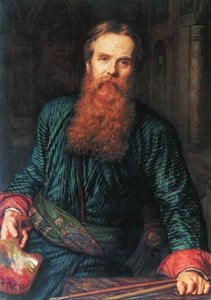
Život posvećen viziji
William Holman Hunt, rođen u Cheapsidu, Londonu 2. travnja 1827. godine, bio je više od običnog slikara; on je bio filozofski i duhovni tragač koji je svoje najdublje uvjerenja prenosio na platno. Njegov rani život, iako ukorijenjen u užurbanom komercijalnom svijetu skladišta njegovog oca, sadržavao je umjetnički naglasak koji bi na kraju opovrgnuo očekivanja. U početku predodređen karijeri sličnoj očevoj, Hunt je pronašao utjehu i svrhu u umjetnosti, počevši s tajnim skiciranjem, a kasnije, nakon nekih poteškoća, formalnim studijima na Kraljevskoj akademiji. Međutim, ovo razdoblje naukovanja pokazalo se ograničavajućim. Žudio je za umjetničkim izrazom koji bi nadmašio prevladajuće akademske konvencije – želja koja bi ga uskoro potaknula prema revolucionarnoj promjeni. Osjećao se ugušen onime što je doživljavao kao vještačku suvremenu umjetnost i tražio povratak iskrenosti i detaljima koji su pronađeni u pred-renesansnih majstora, osjećaj ključan za formiranje Bratstva Prerafaelita. Huntovo putovanje nije bilo samo o estetici; to je bila potraga za istinom, moralom i duhovnom rezonancijom unutar vizualne reprezentacije.
Geneza revolucionarnog bratstva
Godine 1848., zajedno s Dante Gabrielom Rossettijem i Johnom Everettom Millaisom, Hunt je osnovao Bratstvo Prerafaelita (PRB). Ovaj kolektiv nije bio samo umjetnički pokret; to je bila pobuna protiv onoga što su smatrali padom umjetnosti od Rafaela. PRB se zalagao za povratak minucioznim detaljima, živopisnim bojama i iskrenoj temi karakterističnoj za ranu talijansku sliku – prije percipirane vještačke visoke renesanse. Huntova predanost ovoj filozofiji ostala je nepokolebljiva tijekom njegove karijere. Rane radove poput
Pastira, naslikanog 1851. godine, primjer su te posvećenosti. Marljivo realizam slike – od teksture ovčje vune do svake pojedinačne oštrice trave – bio je revolucionaran za svoje vrijeme. Nije to samo bila slika seoskog života; to je bio pokušaj prenijeti moralno i simboličko značenje kroz preciznu promatranje prirode.
Buđenje savjesti, također iz tog razdoblja, dodatno je učvrstilo Huntovu reputaciju intenzivno naturalističkih scena prožete psihološkom dubinom i moralnom težinom. Te slike nisu bile samo vizualno upečatljive; to su bile izjave o vjerovanju umjetnika u umjetnost kao sredstvo za istinu i duhovno buđenje. Bratstvo je nastojalo izazvati uspostavljene norme umjetničke produkcije, odbijajući ono što su smatrali formuliranim akademskim slikarstvom u korist izravnijeg i iskrenijeg angažmana sa svijetom oko njih.
Hodočašće vjere i simboličke dubine
Huntovo umjetničko putovanje pretrpjelo je izvanredan obrat njegovim putovanjima na Svetu zemlju 1950-ih i 60-ih godina. Pokretan željom za povijesnom i topografskom točnošću, krenuo je na hodočašće u Palestinu i Siriju, marljivo dokumentirajući krajolike, kostime i običaje. Ova predanost autentičnosti duboko je utjecala na njegove kasnije radove, dajući im neusporediv osjećaj realizma i duhovne rezonancije.
Sjena smrti, naslikana tijekom tog razdoblja, stoji kao snažan primjer. Slika prikazuje scenu Kristove žrtve na način koji je bio vizualno upečatljiv i duboko simboličan, odražavajući Huntova duboka religiozna uvjerenja. Možda njegov najpoznatiji rad,
Svjetlost svijeta, započet 1851., a dovršen 1853., utjelovljuje ovu sintezu vjere i umjetničke vještine. Slika Krista koji kuca na vrata, nudeći spasenje onima koji otvore svoja srca, postala je iznimno popularna i ostaje jedna od najprepoznatljivijih religioznih slika viktorijanskog doba. Huntova predanost protezala se dalje od pukog prikaza; nastojao je ugraditi slojeve simboličkog značenja u svoje radove, crpeći iz biblijskih tekstova, srednjovjekovne alegorije i suvremenog društvenog komentara. Vjerovao je da umjetnost ima moralnu svrhu – podići, inspirirati i voditi gledatelje prema duhovnom prosvjetljenju.
Trajno nasljeđe i kasne godine
Unatoč suočavanju s propadanjem vida u svojim kasnijim godinama – razorni udarac za slikara toliko posvećenog detaljima – Hunt je nastavio stvarati umjetnost, često se oslanjajući na pomoć svog asistenta, Edwarda Roberta Hughesa. Objavio je autobiografiju 1905., nudeći dragocjene uvide u svoju umjetničku filozofiju i osobni život. Njegova predanost bila je prepoznata imenovanjem za Red zasluga od strane kralja Eduarda VII iste godine. Huntov privatni život obilježili su radosti i žalosti; oženio se dvaput, prvo Fanny Waugh, koja je služila kao model za nekoliko njegovih radova, a kasnije Edith, nakon što je riješio pravne složenosti u vezi britanskih zakona o braku s bratom umrle supruge. Preminuo je 7. rujna 1910., a počašćen je pokopom u katedrali St Paul – svjedočanstvo njegovog značajnog doprinosa britkoj umjetnosti i kulturi. Nasljeđe Williama Holmana Hunta proteže se daleko izvan ljepote njegovih slika. On je revolucionirao viktorijansku umjetnost zagovarajući realizam, simbolizam i duhovnu dubinu, ostavljajući neizbrisiv trag na generacije umjetnika i gledatelja. Njegova djela nastavljaju nadahnjivati divljenje i kontemplaciju, podsjećajući nas na moć umjetnosti da osvijetli ljudsko stanje i istražimo misterije vjere.
Ključni utjecaji i teme
- Utjecaji: Spisi Johna Ruskin-a o umjetnosti i moralu; Rana talijanska renesansna slika (prije Rafaela); Biblijski tekstovi i srednjovjekovna alegorija.
- Glavne teme: Religiozna vjera, moralno buđenje, ljepota prirode, društveni komentar, simbolizam. Hunt je dosljedno istraživao teme otkupljenja, žrtve i potrage za duhovnom istinom u svom radu.
- Ključni datumi: 2. travnja 1827.: Rođen u Cheapsidu, London; 1851.-1853.: Naslikao Svjetlost svijeta; 7. rujna 1910.: Preminuo i pokopan u katedrali St Paul, London.



 Pregledaj u stvarnoj veličini
 Naručite ručno oslikano reprodukciju
 Podijeli
 Podijeli
 Detalji
 Vodič
Vodič

 Preuzmi datoteku
 Slični predmeti
 Rentgenska snimka
 Slide show
 Statistika


 Pročitajte više






































 Opcija stakla dostupna je samo za dimenzije manje od 110 cm