BESPLATNE UMJETNIČKE KONSULTACIJE

x
Naručite reprodukciju Naručite reprodukcijuKupi digitalnu sliku Kupi digitalnu sliku PošaljiPošalji
DetaljiDetalji Dodaj u omiljene Dodaj u omiljene PreuzmiPreuzmi Slični predmetiSlični predmeti Rentgenska snimkaRentgenska snimka Automatska prezentacijaAutomatska prezentacija

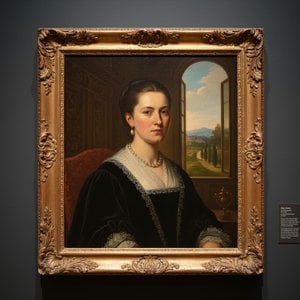
George Arnold

William Hogarth’s "George Arnold": A stunning 18th-century oil portrait of an elderly gentleman. Admire its classical style, detailed realism & symbolic elements.

Meta Description: William Hogarth (1697–1764) je bio engleski slikar i grafičar koji je poznat po svojim satirskim djelima kao što su "A Harlot's Progress" i "A Rake's Progress", oblikujući tako britanski umjetnički jezik i društvenu kritiku stoljeća XVIII.

Giclée / Umjetnički otisak

Giclée tisak muzejske kvalitete ili otisak na platnu uz brzu proizvodnju i fleksibilne opcije završne obrade.

P118B $10
P118H $10
P118W $10
P438Z $10
P508JH $12
P508YH $12
P805H $10
P805Z $10
P919BZ $10
P919G $10
P919XJ $10
P959ZH $10
P968JZ $12
W106C $8
W218G $10
W218JH $8
W218Y $10
W307PJ $10
W316G $10
W316PJ $8
W316Y $10
W398PJ $8
W4111J $10
W500HY $15
W500JH $15
W692G $12
W849H $8
W940BG $15
W953PJ $8

Standard
custom
CM
INCH

Odaberite jednu od naših unaprijed definiranih veličina koje odgovaraju izvornim proporcijama umjetničkog djela.

širina
visina

Možete unijeti vlastite dimenzije kako biste umjetničko djelo prilagodili specifičnom okviru ili prostoru. Ako odabrana veličina ne odgovara proporcijama izvornog rada, izrezat ćemo dio slike ili je proširiti pomoću ogledalnog efekta ili jednobojne rubne površine. Digitalni prikaz (mockup) bit će vam poslan na odobrenje prije početka proizvodnje.
Imajte na umu da pregled na zaslonu ne odražava stvarno izrezivanje ili proširivanje. Samo će mockup točno prikazati konačnu kompoziciju.
Iako su dostupne prilagođene veličine, preporučujemo odabir dimenzije iz unaprijed definirane liste kako biste očuvali izvorne proporcije.

Dostava širom svijeta () u roku od 2 tjedna umjesto standardnih 4/5 tjedana. (3 Srpanj)

why_choose_icon
Besplatna ekspresna dostava širom svijeta
why_choose_icon
Visokokvalitetno laneno platno
why_choose_icon
Potpuno osiguranje dostave
why_choose_icon
Jamstvo povrata carine i uvoznih poreza
why_choose_icon
Garancija vjernog podudaranja boja
why_choose_icon
Politika povrata u roku od 60 dana (samo u slučaju nedostataka)
why_choose_icon
Jamstvo povrata 100% novca
why_choose_icon
Popust na više proizvoda

Ukupna cijena

-

reproduction

George Arnold

Giclée / Umjetnički otisak

Veličina reprodukcije

-

Ukupna cijena

-

Osnovne informacije

  • subject: Portrait of an elderly man
  • notable elements: Elaborate attire (blue coat, waistcoat, powdered wig)
  • style: Classical portraiture
  • title: George Arnold
  • medium: Oil on canvas

Kviz o umjetnosti

Svako pitanje ima samo jedan točan odgovor.

Pitanje 1:
Based on the description, what does the subject's attire suggest about his social standing?
Pitanje 2:
What artistic period is this painting most likely from, based on its style and details?
Pitanje 3:
The description notes the use of directional lighting. What effect does this have on the painting?
Pitanje 4:
Which technique is primarily used to create a sense of realism in this portrait?

Opis djela

A Portrait of Dignity: William Hogarth’s “George Arnold”

  • Subject & Composition: This captivating portrait presents George Arnold, an elderly gentleman rendered in a three-quarter view. The formal composition and seated pose immediately convey a sense of status and importance. His gaze is direct, inviting the viewer into a silent dialogue across centuries.
  • Style & Technique: Executed in the classical oil painting tradition, “George Arnold” exemplifies Hogarth’s meticulous attention to detail. The smooth texture achieved through layered brushstrokes creates a remarkably realistic depiction. Lines are skillfully employed to define features and garments, while geometric shapes contribute to the structured elegance of the piece.
  • Historical Context: William Hogarth (1697-1764) was a pivotal figure in 18th-century British art. While renowned for his satirical “modern moral subjects” – like *A Harlot’s Progress* and *A Rake’s Progress* – he also excelled in portraiture, capturing the likenesses of prominent individuals. This work places Arnold within that societal landscape, offering a glimpse into the lives of the elite.
  • Symbolism & Attire: The subject's elaborate attire—a rich blue coat, ornate waistcoat, ruffled cuffs, and powdered wig—is not merely decorative. These elements are potent symbols of social standing and wealth during the period. They speak to Arnold’s position within 18th-century society and his adherence to prevailing fashions.
  • Lighting & Atmosphere: The directional lighting skillfully highlights Arnold's face and upper body, drawing the viewer’s eye to his expression. Shadows add depth and volume, enhancing the three-dimensionality of the figure. The dark, indistinct background serves to emphasize the subject, isolating him in a space that feels both intimate and grand.
  • Emotional Impact: Beyond its technical brilliance, “George Arnold” evokes a complex emotional response. While conveying dignity and composure, there’s also a subtle hint of melancholy in the sitter's expression—perhaps reflecting on a life lived or the passage of time. This nuanced portrayal elevates the portrait beyond mere representation.
  • Hogarth’s Legacy: Though celebrated for his social commentary, Hogarth was a master observer of human character. In “George Arnold,” he demonstrates his ability to capture not just physical likeness but also an individual's inner life. This portrait stands as a testament to his skill and enduring artistic vision.
  • For collectors and designers: A reproduction of this work would lend an air of refined elegance to any space, offering a timeless focal point that speaks to both historical significance and artistic mastery. Its classic composition and subdued palette make it exceptionally versatile, complementing a range of interior styles.

Biografija umjetnika

William Hogarth (1697–1764)

William Hogarth, born into the bustling heart of 18th-century London in 1697, was more than just an artist; he was a visual historian, a keen observer of human nature, and a satirical commentator on the societal currents of his age. His life story is inextricably linked to the very fabric of England during a period of significant transformation – its burgeoning ambitions, underlying anxieties, and pervasive hypocrisies all finding potent expression in his remarkably detailed and often biting works. The son of a struggling Latin schoolmaster, Hogarth’s early experiences instilled within him both a love for learning and a sharp awareness of social inequalities, a foundation that would prove crucial to shaping his artistic vision. Initially apprenticed to an engraver, he quickly demonstrated a talent extending beyond mere technical skill; he possessed an innate ability to observe the nuances of human behavior and translate them into compelling visual narratives. However, he chafed against the constraints of traditional engraving, seeking a more expressive outlet for his burgeoning creativity. This led him to studies at both St Martin’s Lane Academy and under Sir James Thornhill, where he honed his skills in painting and composition, absorbing influences that would later inform his unique style. Hogarth's artistic journey began with meticulous training as an engraver of silver plate, a craft that instilled in him precision and attention to detail—qualities that would permeate his entire oeuvre. Yet, he possessed a restless spirit, yearning for a medium that could convey emotion and nuance beyond the limitations of engraving’s stark lines. Recognizing this desire, he pursued formal artistic education at St Martin's Lane Academy and under Sir James Thornhill, immersing himself in the techniques and conventions of Baroque painting. These formative experiences exposed him to the grandeur and dramatic flair of Italian art, shaping his aesthetic sensibilities and fostering a fascination with theatrical presentation—a characteristic that would become central to his groundbreaking approach to visual storytelling. The Birth of Modern Moral Subjects Hogarth’s true innovation lay not simply *what* he painted, but *how*. He pioneered what he termed “modern moral subjects” – series of pictures designed to tell a story, often imbued with a strong satirical edge. These weren't isolated portraits or landscapes; they were visual novels unfolding before the viewer’s eyes, offering pointed commentary on contemporary society. A Harlot’s Progress, created in 1742, stands as perhaps his most famous example. This series of six paintings meticulously follows the tragic downfall of Mary, a young woman arriving in London full of hope but quickly succumbing to the temptations and dangers of city life. Each scene is rendered with painstaking detail, filled with symbolic elements that reveal the moral decay surrounding her. The artist’s masterful use of line and shading—particularly his distinctive cross-hatching technique—brought these scenes to life with remarkable clarity, capturing both the beauty and ugliness of human experience. Similarly, A Rake's Progress, begun in 1733, charts the reckless decline of Tom Rakewell, a man who squanders his inheritance on gambling, debauchery, and ultimately, madness. These weren’t merely cautionary tales; they were unflinching portraits of a society grappling with issues of class, morality, and social mobility. Hogarth's genius resided in his ability to elevate everyday scenes – the bustling streets of London, the opulent interiors of the wealthy, the squalid lives of the poor – into works of art that resonated deeply with his audience. He didn’t shy away from depicting the harsh realities of life, presenting them with a blend of humor and pathos that forced viewers to confront uncomfortable truths about themselves and their society. Hogarth's artistic style was a unique synthesis of diverse influences. He greatly admired the realism and narrative detail found in the works of Dutch genre painters like Pieter de Hooch, evident in his meticulous depictions of interiors and everyday life. The influence of Italian Grand Manner painting—particularly Sir James Thornhill’s dramatic compositions—is palpable in his ambitious altarpiece for St Mary Redcliffe, Bristol (1755–6). Furthermore, Hogarth was profoundly affected by the literary currents of his time, absorbing the satirical wit of Jonathan Swift and Henry Fielding. He believed that art should not merely be beautiful but should also serve a moral purpose, challenging viewers to think critically about the world around them and their place within it. He sought to hold a mirror up to nature, reflecting both its beauty and its ugliness with unflinching honesty. His technique—characterized by masterful line and shading—was equally innovative. He employed a distinctive cross-hatching technique that created depth and texture, bringing his scenes to life with remarkable clarity. This meticulous attention to detail—combined with his dramatic compositional choices—established him as a pioneer of visual storytelling in the eighteenth century. Major Achievements Hogarth achieved considerable success as both a painter and engraver during his lifetime, establishing himself as one of Britain’s most celebrated artists. His engravings were particularly popular, reaching audiences far beyond London and disseminating his satirical commentary throughout Europe. He gained renown for his portraits—particularly those commissioned by wealthy patrons—which showcased his exceptional skill in capturing the likenesses of his subjects with remarkable accuracy and psychological insight. However, Hogarth's enduring legacy rests not solely on his artistic accomplishments but also on his transformative influence over British art history. He championed a new aesthetic ideal—one that prioritized moral seriousness alongside visual beauty—challenging prevailing conventions and paving the way for subsequent generations of artists to explore themes of social critique and psychological complexity. His unwavering commitment to truthfulness and innovation cemented his position as one of the founding fathers of modern British painting, ensuring that his work continues to inspire admiration and debate centuries after its creation. Hogarth died in 1764 at the age of 66, leaving behind a vast body of work—including paintings, engravings, prints, drawings, and satirical sketches—that remains unsurpassed for its artistic merit and intellectual depth. His legacy extends far beyond the confines of art history, influencing writers, composers, and artists across disciplines. William Hogarth’s enduring influence testifies to his profound understanding of human nature and his unwavering conviction that art could serve as a catalyst for social reform. He stands as an icon of British artistic genius—a testament to the power of observation, imagination, and moral courage.
Vilijam Hogarth

Vilijam Hogarth

1697 - 1764 , Ujedinjeno Kraljevstvo

Osnovne informacije

  • Artistic Movement Or Style: Satira i Realizam
  • Artists Who Influenced This Artist:
    • Pieter de Hooch
    • Jonathan Swift
  • Date Of Birth: 1697
  • Full Name: William Hogarth
  • Nationality: Engleski
  • Notable Artworks:
    • Život bludnice
    • Život razvratnika
    • Brak po modi
  • Place Of Birth: London, UK
Istražite umjetnička djela organizirana prema temama, stilovima i karakteristikama.