


Ručno oslikano uljanim bojama na platnu u dimenzijama i okviru po vašem izboru, izrađeno po narudžbi od strane naših umjetnika. ( Kupi print Kupi digitalnu sliku)





























Odaberite jednu od naših unaprijed definiranih veličina koje odgovaraju izvornim proporcijama umjetničkog djela.

Možete unijeti vlastite dimenzije kako bi odgovarale određenom okviru ili prostoru. Ako odabrana veličina ne odgovara proporcijama izvorne slike, izrezat ćemo umjetničko djelo ili proširiti sliku dodatnim ručno oslikanim elementima. Digitalni nacrt bit će vam poslan na odobrenje prije početka proizvodnje.
Imajte na umu da pregled na ekranu ne prikazuje stvarno izrezivanje ili proširivanje. Samo će nacrt točno prikazati konačni sastav.
Iako su dostupne prilagođene veličine, preporučujemo odabir dimenzije s preddefiniranog popisa kako bismo očuvali izvorne proporcije.
Isporuka širom svijeta () u roku od 3-4 tjedna umjesto standardnih 5 tjedana. (7 Rujan). Bez kompromisa u kvaliteti.


Chairing the Member
Veličina reprodukcije
William Hogarth’s “Chairing the Member,” completed in 1758, stands as a cornerstone of British art history—a masterful distillation of social critique and theatrical observation that continues to resonate with audiences today. More than just a depiction of an event, it's a meticulously crafted commentary on power dynamics, hypocrisy, and the performative nature of public life during the Enlightenment.
The painting captures a moment of brazen defiance within the confines of London’s prisons—specifically, Bedlam Royal Hospital. Two inmates orchestrated a mock election, electing themselves as Members of Parliament in a calculated act designed to expose the failings of the political establishment. Hogarth brilliantly portrays this spectacle with unflinching realism, capturing not only the physical scene but also the psychological tension palpable amongst those involved.
Hogarth’s style exemplifies the burgeoning neoclassical movement—characterized by clarity of form, precise draughtsmanship, and an emphasis on conveying emotion through gesture. Unlike the ornate Rococo styles prevalent before him, Hogarth eschewed excessive ornamentation in favor of a restrained palette and meticulous attention to detail. The artist skillfully employs chiaroscuro – dramatic contrasts between light and dark – to sculpt the figures and heighten the theatrical impact of the composition.
The canvas itself is dominated by a monumental figure—the “Member,” seated awkwardly in a chair, subjected to the indignity of being forcibly ejected by a group of guards. Hogarth’s masterful use of perspective draws the viewer into the scene, creating an immersive experience that underscores the vulnerability of the individual against institutional authority.
While the mock election serves as the immediate subject matter, “Chairing the Member” operates on a deeper symbolic level. The clocks prominently displayed—one at the top left corner and another centrally positioned—represent time’s relentless march toward judgment and underscore the futility of resisting societal pressures. Furthermore, Hogarth's inclusion of the horse symbolizes nobility and power – juxtaposed against the humiliation of the imprisoned men.
Painted during a period marked by anxieties surrounding social reform and political corruption, “Chairing the Member” reflects Hogarth’s broader commitment to exposing hypocrisy and challenging conventional morality. It is a testament to his ability to transform observation into profound artistic expression—a legacy that continues to inspire artists and scholars alike.
The painting's enduring power lies in its unflinching portrayal of human behavior and its unsettling depiction of institutional injustice. Hogarth compels us to confront the illusion of grandeur and privilege that masks underlying vulnerabilities. “Chairing the Member” remains a poignant reminder of the importance of questioning authority and resisting conformity—a timeless masterpiece that speaks volumes about the complexities of human experience.


1697 - 1764 , Ujedinjeno Kraljevstvo

Explore the satirical world of William Hogarth, pioneering British painter & engraver. Discover his iconic works like *A Rake's Progress* and insightful social commentary on 18th-century London life.

Journey through 18th century art! Explore 10 iconic paintings – from Rococo elegance to Neoclassical grandeur. Discover Fragonard, David & more. Find museum-quality reproductions and elevate your home decor on WahooArt.com.
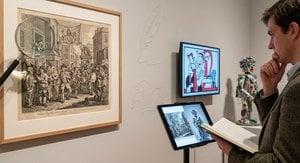
Explore the history of satire in art! From Hogarth's London to contemporary critique, discover how artists use wit & visual power to reflect and challenge society. Expert insights at WahooArt.

Explore the history of satire in art! From ancient masters like Aristophanes to Goya & Grosz, discover how artists use wit and critique to reflect—and challenge—society. Expert insights at WahooArt.

Explore the world of 18th-century portraiture with WahooArt. Discover symbolism, artistic innovation & societal values reflected in masterpieces by Reynolds, Hogarth & more. Expert insights for collectors.

 Pregledaj u stvarnoj veličini
 Pošalji
 Podijeli
 Detalji o umjetničkom djelu

 Preuzmi
 Slični predmeti
 Rentgenska snimka
 Automatska prezentacija
 Prikaži više







 Opcija stakla dostupna je samo za dimenzije manje od 110 cm


