Djelo prikazano na ovoj stranici zaštićeno je autorskim pravima, što znači da zakonski ne možemo izraditi niti prodati identičnu reprodukciju. Ova se zaštita provodi u skladu s međunarodnim sporazumima kao što su Bernska konvencija i nacionalnim zakonima, uključujući i one koji su utvrđeni u Američki zakon o autorskom pravu – Title 17.
Ova metoda u potpunosti je usklađena s autorskim pravima jer ne uključuje kopiranje ili dupliciranje zaštićenih umjetničkih djela. Umjesto toga, riječ je o kreativnoj reinterpretaciji – novoj slici koja je dobila utjecaj na izvornik, ali nije identična njemu.
Giclée tisak muzejske kvalitete ili otisak na platnu uz brzu izradu i raznolike opcije završne obrade. ( Kupi ručno oslikano djelo Prebacite na digitalnu sliku)





























Odaberite jednu od naših unaprijed definiranih veličina koje odgovaraju izvornim proporcijama umjetničkog djela.

Unesite potrebnu širinu i visinu kako bi odgovarali vašem okviru ili zidu. Print se može samo izrezati, nikada ne može biti veći od slike, stoga format s drugačijim omjerom stranica uzrokuje gubitak dijela slike. Prije bilo kakve štampe šaljemo vam digitalni prikaz (mockup) na odobrenje. Slika prikazana na ovoj stranici ne prikazuje stvarni rez — to prikazuje isključivo digitalni prikaz.
Dostava širom svijeta () u roku od 2 tjedna umjesto standardnih 4/5 tjedana. (10 Studeni)
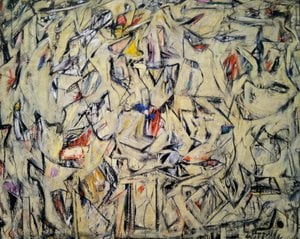
The Acrobat
Veličina reprodukcije
In Willem de Kooning’s 1942 masterpiece, The Acrobat, the viewer is immediately drawn into a profound state of quietude interrupted by an underlying tension. The painting presents a solitary man, dressed in a striking yellow shirt, seated in a moment of repose that feels far from peaceful. While his body remains still, his gaze is directed away from the observer, looking toward something unseen beyond the frame. This deliberate positioning creates an immediate sense of detachment and introspection, inviting those who stand before it to contemplate the complexities of the human psyche. There is a palpable melancholy in his expression, a feeling of being lost in thought, which transforms a simple portrait into a deep exploration of solitude.
Beyond its subject matter, The Acrobat serves as a powerful testament to the burgeoning movement of Abstract Expressionism. De Kooning eschews the precise, representational lines of traditional portraiture in favor of a more spontaneous and emotional language. The technique is characterized by thick, heavy impasto, where the paint is applied with such vigor that the canvas itself seems to pulsate with life. These expressive brushstrokes do not merely depict a man; they convey a state of being. The textured surfaces capture a sense of movement and struggle, as if the artist’s very gestures were an attempt to wrestle meaning from chaos. For the collector or interior designer, this piece offers a commanding presence, bringing a tactile, energetic dimension to any space.
To understand the true depth of this work, one must consider the historical shadow cast by its creation in 1942. As the world was gripped by the anxieties of World War II, de Kooning channeled that collective uncertainty into his art. The painting is rich with symbolic layers that speak to both resilience and mortality. While the man embodies the adaptability and inner fortitude of an acrobat—balancing through life's pressures—the inclusion of a clock on the wall serves as a poignant memento mori. It is a silent reminder of the relentless passage of time and the fleeting nature of existence. Through this delicate balance of subject and symbol, de Kooning creates a work that is not only visually captivating but emotionally resonant, making it an enduring inspiration for those who appreciate art that speaks to the very core of the human experience.
Dostupna je i prezentacija slika na stranici Galerija slika za djelo "The Acrobat" autora Vilem De Kunning.
Format (Portrait) i preporučeni prostor (Living Room) dvije su ključne informacije o postavljanju za "The Acrobat" autora Vilem De Kunning.
"The Acrobat" autora Vilem De Kunning ima luminancu od Soft Shadow. Luminancija opisuje koliko se čini da boje reflektiraju svjetlosti.


1904 - 1997 , Nizozemska

Discover the transformative power of premium abstract oil paintings. WahooArt offers bespoke, hand-painted masterpieces and expert art consultation to elevate luxury interiors with unmatched craftsmanship, authenticity, and global delivery.
 Pregledaj u realnoj veličini
 Pošalji
 Podijeli
 Detalji o umjetničkom djelu
 Vodič
Vodič

 Preuzmi umjetničko djelo
 Slični predmeti
 Rentgenska snimka
 Slide show
 Pitanja i odgovori
 Statistika

 Prikaži više









 Opcija stakla dostupna je samo za dimenzije manje od 110 cm