Djelo prikazano na ovoj stranici zaštićeno je autorskim pravima, što znači da zakonski ne možemo izraditi niti prodati identičnu reprodukciju. Ova se zaštita provodi u skladu s međunarodnim sporazumima kao što su Bernska konvencija i nacionalnim zakonima, uključujući i one koji su utvrđeni u Američki zakon o autorskom pravu – Title 17.
Ova metoda u potpunosti je usklađena s autorskim pravima jer ne uključuje kopiranje ili dupliciranje zaštićenih umjetničkih djela. Umjesto toga, riječ je o kreativnoj reinterpretaciji – novoj slici koja je dobila utjecaj na izvornik, ali nije identična njemu.
Giclée tisak muzejske kvalitete ili otisak na platnu uz brzu izradu i raznolike opcije završne obrade. ( Kupi ručno oslikano djelo Prebacite na digitalnu sliku)





























Odaberite jednu od naših unaprijed definiranih veličina koje odgovaraju izvornim proporcijama umjetničkog djela.

Unesite potrebnu širinu i visinu kako bi odgovarali vašem okviru ili zidu. Print se može samo izrezati, nikada ne može biti veći od slike, stoga format s drugačijim omjerom stranica uzrokuje gubitak dijela slike. Prije bilo kakve štampe šaljemo vam digitalni prikaz (mockup) na odobrenje. Slika prikazana na ovoj stranici ne prikazuje stvarni rez — to prikazuje isključivo digitalni prikaz.
Dostava širom svijeta () u roku od 2 tjedna umjesto standardnih 4/5 tjedana. (8 Studeni)
Sphinx
Veličina reprodukcije
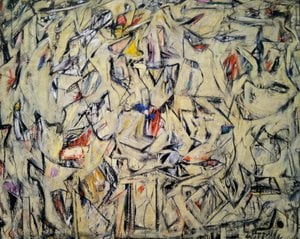
Willem de Kooning's 1964 oil painting, ‘Sphinx’, is not merely a visual experience; it’s an immersion into the turbulent currents of Abstract Expressionism and a profound exploration of the human psyche. Measuring 61 x 47 cm, this work pulsates with raw energy, its surface alive with swirling brushstrokes and intense hues of orange and yellow. To stand before ‘Sphinx’ is to confront a fragmented reality, a world where form dissolves into emotion and suggestion replaces definition. It's a painting that doesn’t offer answers but instead invites contemplation on the elusive nature of identity and the complexities of feminine representation—themes central to de Kooning’s artistic journey.
At the heart of ‘Sphinx’ lies an ambiguous depiction of a female figure, though “depiction” feels inadequate given its radical abstraction. De Kooning doesn't present a portrait in the traditional sense; rather, he offers fleeting glimpses—hints of eyes, a suggestion of a mouth, perhaps the curve of a nose—all dissolving into a dynamic interplay of color and texture. This deliberate ambiguity is key to understanding the painting’s power. It isn’t about portraying a specific woman but evoking the *essence* of femininity, vulnerability, and the societal pressures often imposed upon women. This echoes throughout his famous ‘Woman’ series, where he similarly wrestled with representation and its inherent limitations. The title itself, 'Sphinx', is laden with symbolism; sphinxes are mythical guardians known for their enigmatic nature and challenging riddles. De Kooning seems to present us with a similar puzzle, an invitation to confront our own perceptions and emotions in the face of ambiguity.
De Kooning’s technique is integral to the emotional impact of ‘Sphinx’. As a pivotal figure in Abstract Expressionism—a movement born from the anxieties and uncertainties of post-World War II America—he rejected traditional artistic conventions, prioritizing subjective experience over representational accuracy. The painting embodies this ethos through its energetic brushwork, lack of defined form, and emphasis on the physical act of painting itself. He employed a wet-on-wet application of paint, allowing colors to bleed and blend, creating a hazy, atmospheric quality that amplifies the sense of emotional turmoil. The impasto technique—the thick layering of oil paint—adds a tactile dimension, with pronounced brushstrokes and drips contributing to the work’s raw immediacy. The dominance of warm tones – oranges and yellows – isn't merely aesthetic; it contributes to an overall feeling of intensity, perhaps even anxiety, drawing the viewer into the painting’s emotional core.
Born in Rotterdam in 1904 and later immigrating to the United States, Willem de Kooning became a defining voice of American art. His journey from commercial artist to Abstract Expressionist pioneer was marked by constant experimentation and a relentless pursuit of authentic expression. ‘Sphinx’, created during a period of significant social and political change, reflects this spirit of innovation and rebellion. The painting stands as a testament to de Kooning’s ability to translate complex emotions into a visual language that continues to resonate with audiences today. It's a work that demands attention, sparks conversation, and adds depth and complexity to any environment—a powerful reminder of art’s capacity to tap into our deepest feelings and challenge our perceptions.
"Sphinx" autora Vilem De Kunning koristi Pastelne boje paletu boja. Ta paleta sažima opći koloristički karakter djela.
"Sphinx" ima pregled proširene stvarnosti: stranica Pregled u proširenoj stvarnosti prikazuje djelo u vašem vlastitom prostoru pomoću kompatibilnog uređaja.
"Sphinx" autora Vilem De Kunning prenosi Melanholičan osjećaj unutar općenito Dramatičan raspoloženja.


1904 - 1997 , Nizozemska

Explore the profound emotional depth of Abstract Expressionism. From Pollock's dynamic drips to de Kooning's gestural mastery, our expert guide offers art collectors a sophisticated analysis of this transformative movement and its enduring legacy in modern fine art.
 Pregledaj u realnoj veličini
 Pošalji
 Podijeli
 Detalji o umjetničkom djelu
 Vodič
Vodič

 Preuzmi umjetničko djelo
 Slični predmeti
 Rentgenska snimka
 Slide show
 Pitanja i odgovori
 Statistika

 Prikaži više









 Opcija stakla dostupna je samo za dimenzije manje od 110 cm