


Ručno oslikano uljanim bojama na platnu u dimenzijama i okviru po vašem izboru, izrađeno po narudžbi od strane naših umjetnika. ( Kupi print Kupi digitalnu sliku)





























Odaberite jednu od naših unaprijed definiranih veličina koje odgovaraju izvornim proporcijama umjetničkog djela.

Možete unijeti vlastite dimenzije kako bi odgovarale određenom okviru ili prostoru. Ako odabrana veličina ne odgovara proporcijama izvorne slike, izrezat ćemo umjetničko djelo ili proširiti sliku dodatnim ručno oslikanim elementima. Digitalni nacrt bit će vam poslan na odobrenje prije početka proizvodnje.
Imajte na umu da pregled na ekranu ne prikazuje stvarno izrezivanje ili proširivanje. Samo će nacrt točno prikazati konačni sastav.
Iako su dostupne prilagođene veličine, preporučujemo odabir dimenzije s preddefiniranog popisa kako bismo očuvali izvorne proporcije.
Isporuka širom svijeta () u roku od 3-4 tjedna umjesto standardnih 5 tjedana. (7 Rujan). Bez kompromisa u kvaliteti.


Untitled
Veličina reprodukcije
This evocative drawing, tentatively titled “Untitled,” offers a profound glimpse into the nascent explorations of Wassily Kandinsky, a pivotal moment captured in 1941 – a year pregnant with both artistic upheaval and looming global uncertainty. The image presents a meticulously rendered black and white study of what appears to be either a piano or violin, its lines imbued with a deliberate, almost hesitant energy. The artist’s hand is immediately apparent; the drawing isn't a polished reproduction but rather a raw, expressive gesture, revealing the process of an artist wrestling with form and sound.
Created just a few years before Kandinsky fully embraced abstraction, this drawing reveals the crucial transitional phase in his artistic development. Following his transformative encounter with Wagner’s “Lohengrin” and his subsequent immersion in Impressionism, particularly Monet’s work, Kandinsky sought to translate subjective experience – emotion, spirituality, and sound – into visual form. This piece embodies that struggle; it's a tangible record of him attempting to capture the essence of music visually before fully abandoning representational elements.
The drawing’s formal presentation within a frame adds another layer of significance. Frames were often used in early 20th-century art to elevate and contextualize works, suggesting a deliberate intention to display this study as a significant piece rather than merely a preparatory sketch. This detail underscores Kandinsky's ambition to establish himself as a serious artist pushing the boundaries of artistic convention.
The monochrome palette contributes significantly to the drawing’s emotional impact. Black and white, often associated with spirituality, mourning, or introspection, amplifies the sense of quiet contemplation inherent in the work. The deliberate lack of color forces the viewer to focus on form, line, and texture – elements that Kandinsky believed were fundamental to conveying spiritual truths.
The drawing’s composition evokes a feeling of suspended animation—a moment captured before the full realization of Kandinsky's abstract vision. It speaks to the artist’s relentless pursuit of inner harmony and his desire to create art that transcends the limitations of the material world.
Produced in 1941, this drawing reflects a period of immense artistic and political change. Kandinsky was living primarily in Germany during this time, navigating the complexities of exile and continuing to develop his groundbreaking theories. This work offers a rare opportunity to own a piece directly connected to one of the most influential figures in modern art – a testament to Kandinsky’s pioneering spirit and his unwavering commitment to exploring the profound relationship between art, music, and the human soul.


1866 - 1944 , Rusija

Journey through Wassily Kandinsky's 25 most iconic abstract paintings. Explore his revolutionary use of color, form & spiritual expressionism. Find museum-quality Kandinsky reproductions and elevate your home decor with WahooArt.com. Discover all masterpieces on WahooArt.com!
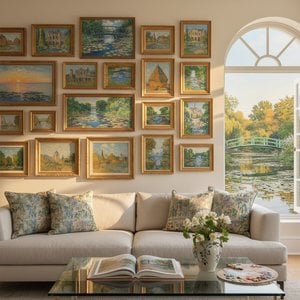
Uronite u svijet Claude Moneta s 25 najpoznatijih remek-djela impresionizma. Otkrijte priče iza slika, tehnike i inspiraciju ovog francuskog umjetnika. Kupite visokokvalitetne reprodukcije na WahooArt.com i uljepšajte svoj dom!

Otkrijte 10 remek-djela koja su definirala apstraktni ekspresionizam! Jackson Pollock, Mark Rothko i drugi majstori uljane umjetnosti. Ispričajte priču svojim zidovima uz WahooArt - vrhunske reprodukcije za vaš dom.

Istražite 10 remek-djela geometrijske apstrakcije! Otkrijte priče Kandinskog, Mondriana i drugih majstora. Inspirirajte se za svoj interijer s vrhunskim reprodukcijama slika na WahooArt.com

Embark on a cultural journey through Lyrical Abstraction. Explore how masters like Kandinsky used color and motion to translate emotion into visual poetry. Discover the profound beauty of abstract expressionism and learn to curate emotional resonance in your own art collection.

 Pregledaj u stvarnoj veličini
 Pošalji
 Podijeli
 Detalji o umjetničkom djelu

 Preuzmi
 Slični predmeti
 Rentgenska snimka
 Automatska prezentacija


 Prikaži više







 Opcija stakla dostupna je samo za dimenzije manje od 110 cm


