


Giclée tisak muzejske kvalitete ili otisak na platnu uz brzu proizvodnju i fleksibilne opcije završne obrade. ( Kupi ručno naslikanu sliku Kupi digitalnu sliku)
Odaberite jednu od naših unaprijed definiranih veličina koje odgovaraju izvornim proporcijama umjetničkog djela.

Možete unijeti vlastite dimenzije kako biste umjetničko djelo prilagodili specifičnom okviru ili prostoru. Ako odabrana veličina ne odgovara proporcijama izvornog rada, izrezat ćemo dio slike ili je proširiti pomoću ogledalnog efekta ili jednobojne rubne površine. Digitalni prikaz (mockup) bit će vam poslan na odobrenje prije početka proizvodnje.
Imajte na umu da pregled na zaslonu ne odražava stvarno izrezivanje ili proširivanje. Samo će mockup točno prikazati konačnu kompoziciju.
Iako su dostupne prilagođene veličine, preporučujemo odabir dimenzije iz unaprijed definirane liste kako biste očuvali izvorne proporcije.
Dostava širom svijeta () u roku od 2 tjedna umjesto standardnih 4/5 tjedana. (6 Rujan)


Zagreb
Veličina reprodukcije
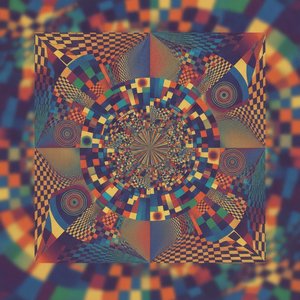
“Zagreb,” created by Victor Vasarely, is a quintessential example of Op Art (Optical Art), a movement that emerged in the early 1960s. The artwork doesn’t depict a recognizable subject in the traditional sense; instead, it focuses entirely on creating visual illusions through geometric forms and color relationships. Vasarely was a pioneer of this style, aiming to move beyond representational art towards pure abstraction that engages the viewer's perception directly. "Zagreb" exemplifies his commitment to exploring how shapes, lines, and colors can interact to generate dynamic optical effects.
The composition of “Zagreb” is based on a grid-like structure composed primarily of squares and rectangles. These shapes are meticulously arranged, overlapping and interplaying with one another to create an illusion of depth and movement. Vasarely’s technique typically involved screen printing or lithography, allowing for precise color separation and clean lines – essential elements in achieving the desired optical effect. The colors themselves are bold and saturated, often contrasting sharply to enhance the sense of dynamism. The layering creates a complex visual field where shapes appear to advance and recede, despite the flatness of the surface.
Op Art arose during a period of rapid technological advancement and societal change in the 1960s. It reflected an interest in scientific principles like optics and perception, as well as a fascination with new technologies that could create dynamic visual experiences. While "Zagreb" lacks explicit symbolic meaning, its geometric patterns can be interpreted as representing urban structures or complex systems – reflecting the increasingly interconnected nature of modern life. The title itself, referencing the Croatian capital city, might allude to the ordered and structured environment of a metropolis.
“Zagreb,” like much of Vasarely’s work, evokes a sense of energy and movement despite its abstract nature. The interplay of colors and shapes creates a visually stimulating experience that engages the viewer's eye and challenges their perception. Vasarely sought to create art that was accessible and universally appealing, and "Zagreb" embodies this goal with its vibrant colors and dynamic composition. His pioneering work in Op Art has had a lasting influence on subsequent generations of artists working in fields such as graphic design, architecture, and digital media.


1906 - 1997 , Hrvatska
Explore the mesmerizing world of Victor Vasarely. Discover how his Bauhaus-inspired Op Art masters the science of perception through geometric abstraction and vibrant color. A sophisticated guide for discerning art collectors seeking to understand the legacy of optical illusion.

Embark on a visual journey through the mesmerizing world of Op Art. Discover the masters of optical illusion, explore geometric abstraction, and learn how to curate high-impact kinetic works for your private collection with expert guidance from art professionals.

Explore the profound spiritual depth of geometric abstraction. From Malevich's Suprematism to modern masters, our expert guide reveals how pure form and color command presence in fine art collections.

 Pregledaj u stvarnoj veličini
 Pošalji
 Podijeli
 Detalji o umjetničkom djelu

 Preuzmi
 Slični predmeti
 Rentgenska snimka
 Automatska prezentacija
 Prikaži više




































 Opcija stakla dostupna je samo za dimenzije manje od 110 cm


