Život Uređen u Tinte i Drvo: Svijet Tsukioke Yoshitoshija
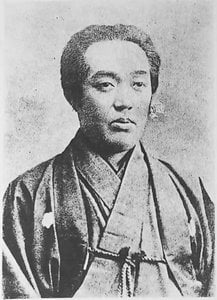
Tsukioka Yoshitoshi, rođen kao Owariya Yonejiro 1839. godine usred živopisnih ulica starog Eda (današnji Tokio), stoji kao monumentalna figura u povijesti japanske umjetnosti. Opće je poznat kao posljednji veliki majstor *ukiyo-e*, “slika plutajućeg svijeta”, no definirati ga isključivo tim naslovom činilo bi ga nedovoljno. Yoshitoshi nije bio samo čuvar tradicije; bio je inovator, vizualni pripovjedač koji se bez straha uhvatio u koštac s nemirnim duhom Japana u dubokoj transformaciji. Njegov život odvijao se na pozadini društvenih prevrata – zadnjih godina Tokugawa šogunaata, Obnove Meiji i brzog priljeva zapadnih ideja – sve je to snažno oblikovalo njegov umjetnički pogled. Od skromnog početka kao sina trgovca podignutog u samurajski stalež, Yoshitosijev put ga je doveo do staža kod Utagawa Kuniyoshija, majstora čiji će utjecaj biti neizbrisiv. Ta formativna razdoblja nisu mu dala samo tehničke vještine, već i duboko poštovanje prema priči i dinamičnoj kompoziciji.
Od Staža do Umjetničke Samostalnosti
Yoshitosijevim ranim godinama vladala je rigorozna disciplina *ukiyo-e* obuke pod vodstvom Kuniyoshija. Upojio je tehnike svog mentora, usavršavajući svoju crtačku vještinu i učeći kako priče pretvoriti u uvjerljive vizualne oblike. Međutim, Yoshitoshi je ubrzo počeo kretati vlastitim putem. Iako je nastavio raditi unutar utvrđenih konvencija, uskoro je pokazao spremnost da prekorači granice, posebno u svojim prikazima nasilja i smrti. Nisu to bili bespotrebni prizori, već odraz nemira vremena i osobnih tragedija – gubitak njegovog oca i Kuniyoshija duboko su utjecali na njegov umjetnički smjer. Sredinom 1860-ih Yoshitoshi je stekao priznanje zbog onoga što je postalo poznato kao njegovi „krvavi tisci“, serije obilježene grafičkom slikom i dramatičnom intenzitetom. Serije poput *Eimei nijûhasshûku* (Dvadeset osam slavnih ubojstava s pjesmom) šokirale su i očarale publiku, prikazujući scene brutalnih ubijanja prikazane zapanjujućom realizmom. Ta spremnost na suočavanje s tamnim temama izdvajala ga je od mnogih njegovih suvremenika. Eksperimentirao je s različitim serijama i motivima, uključujući popularnu *Tsūzoku saiyūki* (“Moderna Puta na Zapad”) i *Wakan hyaku monogatari* (“Sto Priča iz Kine i Japana”), demonstrirajući raznolikost koja je dodatno učvrstila njegovu reputaciju.
Inovacije u Mijenjajućem Svijetu
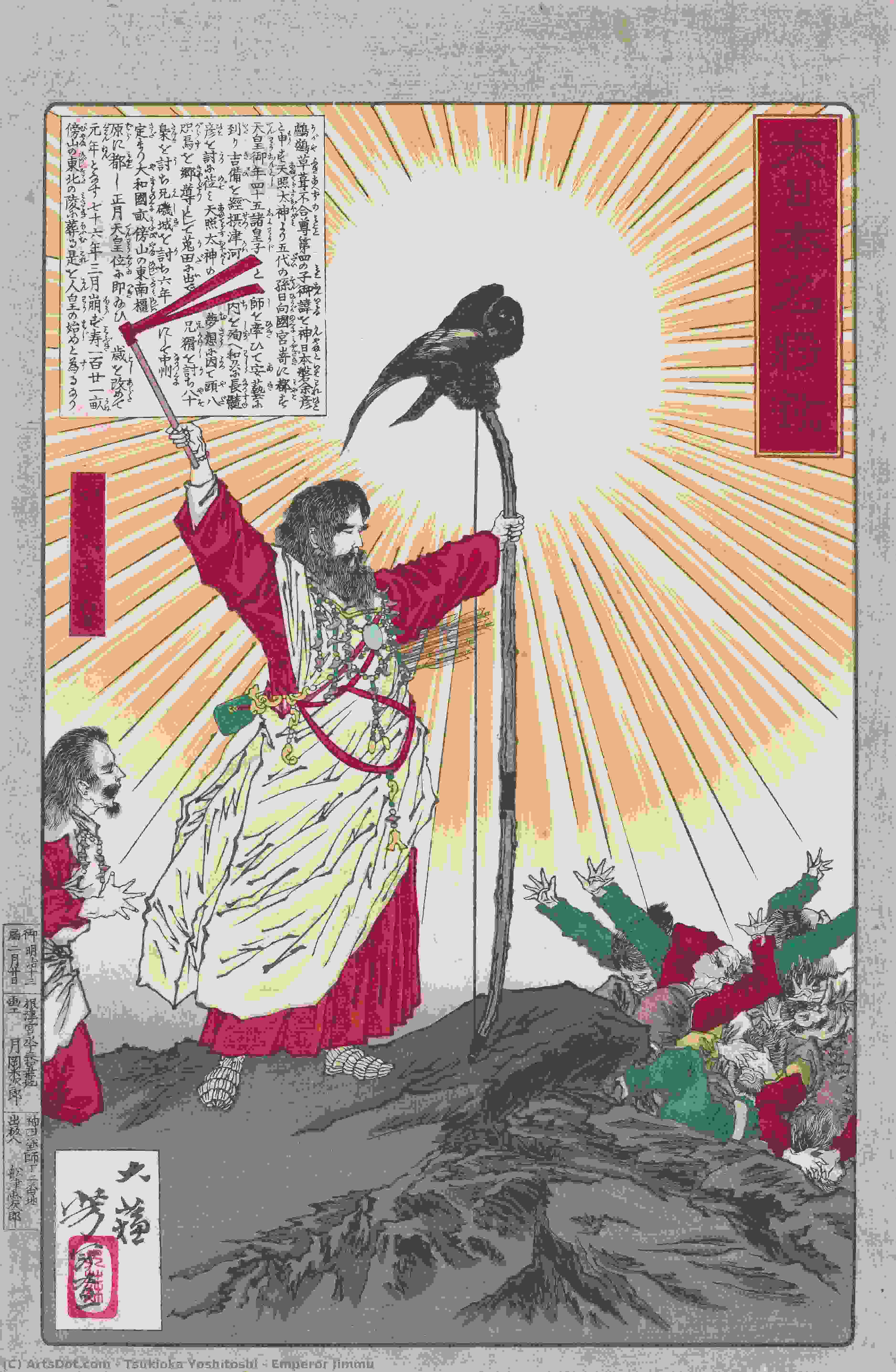
Yoshitosijev genije ležao je ne samo u njegovoj temi, već i u njegovoj umjetničkoj tehnici. Majstorski je spajao tradicionalnu japansku estetiku sa zapadnim utjecajima, uključujući elemente perspektive i kompozicije koje je preuzeo iz uvezenih tiskova i gravura. Ta fuzija stvorila je jedinstičan vizualni jezik koji je bio istovremeno osebujan za Japan i zapanjujuće moderan. Dok je Japan prihvatio modernizaciju, nove tehnologije poput fotografije i litografije ugrožile su vrlo postojanje *ukiyo-e*. Yoshitoshi je prepoznao taj izazov i odgovorio podizanjem svoje umjetnosti na nezapamćenu razinu. Eksperimentirao je s paletama boja, izbrusio svoje tehnike graviranja i gurao granice pripovjedačkog pričuvanja unutar drvoreza. Njegova serija *Musha Burui* (Ratnički Tisci) oličuje tu predanost – svaki tisk dinamičan eksplozija akcije i emocije, koji pokazuje njegovu vještinu u prikazivanju herojskih figura i dramatičnih bitki. Shvatio je da se kako bi preživjela, *ukiyo-e* mora razvijati, a on se posvetio osiguravanju njezine kontinuirane važnosti.
Nasljeđe i Trajni Utjecaj
Unatoč ogromnim izazovima – financijskim poteškojama, osobnim brigama i propadanju tradicionalnih umjetničkih oblika – Yoshitoshi je ostao vjeran svojoj predanosti *ukiyo-e*. Neprestano je radio do svoje smrti 1892. godine, ostavivši iza sebe obiman opus koji i dalje budi divljenje i poštovanje. Iako se raspravlja o njegovom izravnom utjecaju na sljedeće generacije japanskih umjetnika, neosporno je njegovo povijesno značenje. Yoshitoshi stoji kao posljednji veliki majstor *ukiyo-e*, ključna figura koja je očuvala i uzdignula umjetnički oblik u razdoblju duboke promjene. Njegova hrabrost, vizija i neprestana predanost osigurala su da duh “plutajućeg svijeta” potraje generacijama koje dolaze. Danas se njegovi tisci slave u muzejima i zbirkama diljem svijeta, svjedočanstva njegovog trajnoga umjetničkog nasljeđa.
Završni Akord: Yoshitosijev Trajni Utjecaj
- Očuvanje Tradicije: U Japanu koji se brzo modernizira, Yoshitoshi je promicao tradicionalne tehnike drvoreza.
- Umjetnička Inovacija: Besprijekorno je spajao japansku estetiku sa zapadnim utjecajima, stvarajući jedinstičen i dinamičan stil.
- Narativna Moć: Njegovi tisci su poznati po svojim uvjerljivim pričama i dramatičnoj intenzitetu.
- Povijesna Dokumentacija: Yoshitosijev rad pruža vrijedne uvid u društveno, političko i kulturno područje Japana 19. stoljeća.
- Svjedočanstvo njegovog trajnoga nasljeđa je kontinuirana cijenjenost njegove umjetnosti od strane kolekcionara i ljubitelja umjetnosti diljem svijeta.
Yoshitosijev život bio je borba protiv vremena, hrabar pokušaj očuvanja dragocjenog umjetničkog običaja usred prevelikih promjena. Ne samo da je uspio očuvati *ukiyo-e*, već ga je i uzdigao, ostavivši iza sebe djelo koje nastavlja fascinirati i inspirirati. Njegovi tisci su više od prekrasnih predmeta; oni su prozori u davno prošlo doba, snažni izrazi ljudskih emocija i trajna simbola umjetničke izvrsnosti.


 Pregledaj u stvarnoj veličini
 Prebacite na prodaju printova
 Podijeli
 Podijeli
 Detalji
 Vodič
Vodič

 Preuzmi datoteku
 Slični predmeti
 Rentgenska snimka
 Slide show
 Statistika
 Pročitajte više






































 Opcija stakla dostupna je samo za dimenzije manje od 110 cm